Netherlands to close centers for Ukrainian refugees in 2027
The Dutch government intends to close municipal accommodation centers as soon as possible after the temporary protection ends in March 2027. Around 135,000 Ukrainians will receive three-year residence permits but will have to pay for housing and medical care themselves.

By Tetiana Suchkova-Ladik
December 2, 2025 · 1 min read
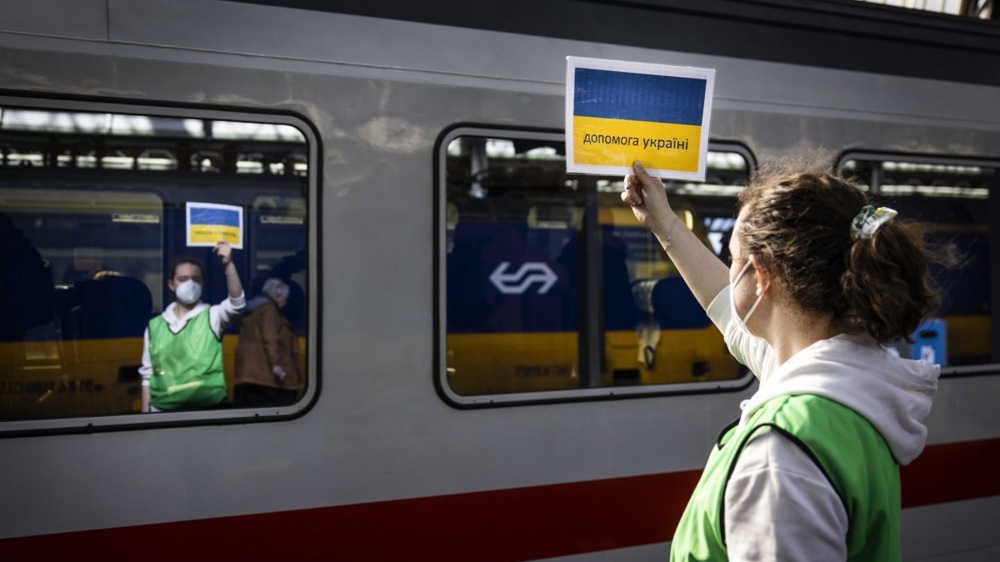
The Dutch government seeks to close accommodation sites set up for Ukrainians immediately after the EU's temporary protection ends in March 2027, Housing and Public Works Minister Mona Keizer said.
Government plan
Under government plans, around 135,000 Ukrainians in the Netherlands will receive three-year residence permits from March 2027. At the same time they will have to cover housing costs and healthcare services themselves.
Currently roughly three quarters of Ukrainians are living in specially organized municipal shelters.
Government housing must be wound down as quickly as possible
– Mona Keizer, Minister of Housing and Public Works
Municipalities' position
Local authorities warn of the risks: if funding is cut, municipalities will remain responsible for housing and benefit payments but without the necessary funds.
Economic contribution and figures
Keizer noted that two-thirds of Ukrainians were employed and last year contributed about €3.5 billion to the Dutch economy, but a significant portion may be eligible for social assistance.
As of the end of September 2025, more than 130,000 refugees from Ukraine were under temporary protection in the Netherlands.
- On 15 July the EU extended temporary protection for Ukrainian refugees until 4 March 2027.
- In September municipalities complained about a shortage of places: centres are overloaded, and Ukrainians are often being turned away.



