Germany limits fuel price increases to once a day — what it means for Europe and Ukraine
The Bundestag backed a "one price increase per day" rule for gas stations — a reaction to an oil-market shock after the escalation in the Middle East. We break down why this matters for logistics, inflation and Ukrainian carriers.

By Tetiana Suchkova-Ladik
March 26, 2026 · 2 min read
Key points of the decision
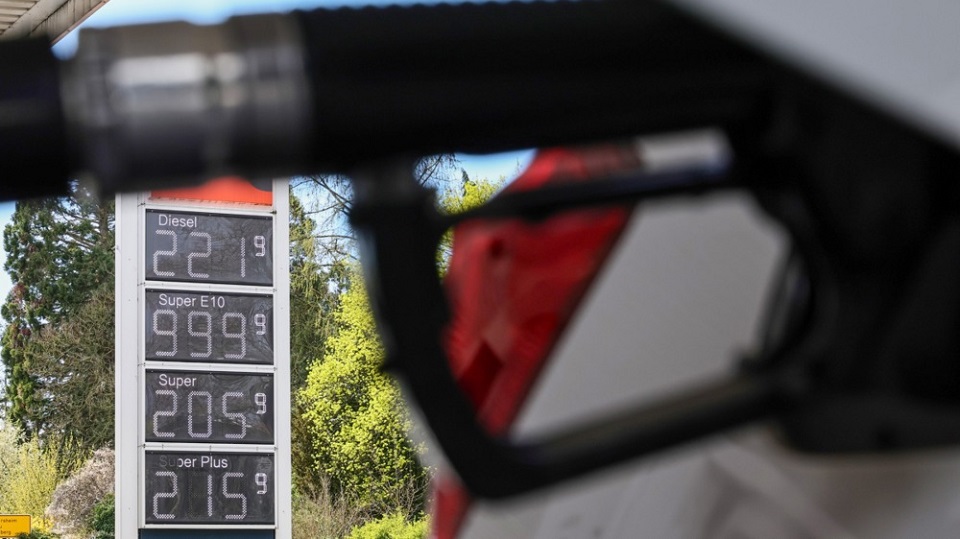
On Thursday, March 26, the German Bundestag approved provisional measures that limit petrol stations' ability to raise fuel prices — no more than one increase per day, and only at noon. The initiative, reported by Reuters and DW, follows Austria's practice; violations carry fines of up to €100,000. If the Bundesrat supports the bill, it will take effect at the beginning of April.
Why this is happening
The catalyst is supply disruptions and increased volatility after the escalation of the conflict in the Middle East. On Germany's domestic market, the average daily price of E10 petrol in March already exceeded €2/litre — the highest level since May 2022. Analysts expect inflation this year to be closer to 3% instead of the forecasted 2%.
Impact on business and logistics
According to the German Association of Road Haulage, Logistics and Waste Management, the cost of diesel rose by 28% in March, and diesel accounts for about 30% of carriers' total costs. This is forcing businesses to revise tariffs and margins — a direct effect on supply chains across Europe.
"This means our member companies really need to raise freight rates by 8–10%."
— Dirk Engelgardt, Director of the German Association of Road Haulage, Logistics and Waste Management
Europe's position and import data
Germany imports oil from various sources: according to the Federal Statistical Office, in 2025 only about 6% of imported oil came from the Middle East; the largest supplier was Norway (16.6%), followed by the USA and Libya. Last year total imports amounted to about 75.7 million tonnes. Against this background, the governments of France, Poland and Latvia have already announced or introduced measures to soften the blow to the hardest-hit sectors (including a temporary reduction of excise duties in Latvia).
What this means for Ukraine
Germany's decision is an example of a regulatory response to an external shock that also affects the Ukrainian market. Since the beginning of March, prices at Ukrainian filling stations have risen — partly due to panic buying, partly due to real price increases on the global market. At the same time, Ukraine has a 40-day cashback scheme in force since March 20: 15% on diesel, 10% on petrol, 5% on autogas — a mechanism intended to partially curb consumer demand. LIGA.net published an analysis of the reasons for the price increases and an interview with Volodymyr Petrenko, founder of the UPG network, which discusses the risks of shortages and ways to adapt.
What's next
If the Bundesrat approves the measure, it may become a short-term tool to stabilise prices, but it will not solve the underlying problem — supply risks and overall oil market volatility. For Ukraine, the key is to monitor how changes in European logistics will affect the cost of transport and the timeliness of deliveries. Consumer protection policies should be accompanied by support for critical sectors so that temporary restrictions do not lead to long-term logistical bottlenecks. Whether such measures will become a trend in the EU depends on the further development of the oil market and partners' reactions.



