Germany launches JobConnect to modernize Ukraine's labor market
Ukraine and Germany have agreed to launch the JobConnect programme with €10 million in funding to modernize employment services, strengthen institutions and help people return to the labour market. The project will be implemented by GIZ, with financing starting in 2026.

By Tetiana Suchkova-Ladik
December 15, 2025 · 1 min read
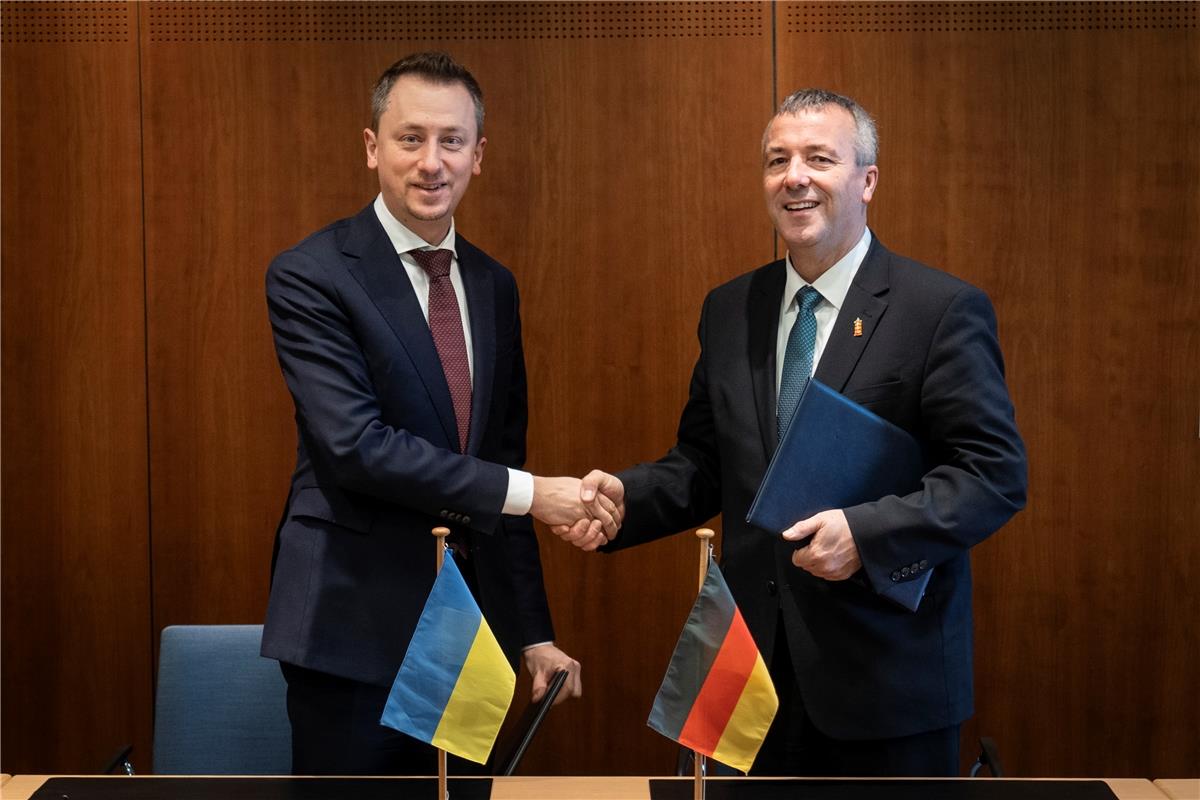
On 15 December representatives of the Ministry of Economy of Ukraine and the Federal Ministry for Economic Cooperation and Development of Germany signed a Declaration of Intent to launch the JobConnect programme. The initiative is intended to support labour market reforms, the country's socio-economic recovery and its closer alignment with the EU.
Purpose and objectives of the programme
JobConnect will be financed by the German government and implemented by Deutsche Gesellschaft für Internationale Zusammenarbeit (GIZ) GmbH. The programme is focused on modernising employment services, improving services for jobseekers and employers, and promoting vocational training and the reintegration of people into employment.
The signed Declaration cements a shared vision for reforming the labour market in combination with social policy, enhancing institutional capacity and more effective use of public resources. The document allows for the possibility of involving additional partners in implementing the initiative.
JobConnect provides practical tools: for people — to find work, for businesses — to find the workers they need. We focus on results: higher-quality employment services, modern approaches to job matching and training, and solutions that help people return to the labour market and increase their competitiveness
– Oleksiy Soboliev, Minister of Economy, Environment and Agriculture of Ukraine
Financing and implementation
From 2026 the German government will allocate €10 million to implement the programme. Soboliev said that cooperation with the German side will allow scaling up support tools and ensure clear coordination among the key participants in the process.
- Investment: €10 million from 2026; programme priorities — combining labour market reforms with social policy, strengthening institutional capacity and increasing the efficiency of public spending.



