Nova Poshta aims to deliver intercity shipments within three hours — what it means for businesses and consumers
An interview with the co-owner of Nova Poshta reveals a plan to change the logistics model: from "post-order" to local placement of goods. Why this matters now and what consumers and sellers should expect.

By Tetiana Suchkova-Ladik
January 24, 2026 · 2 min read
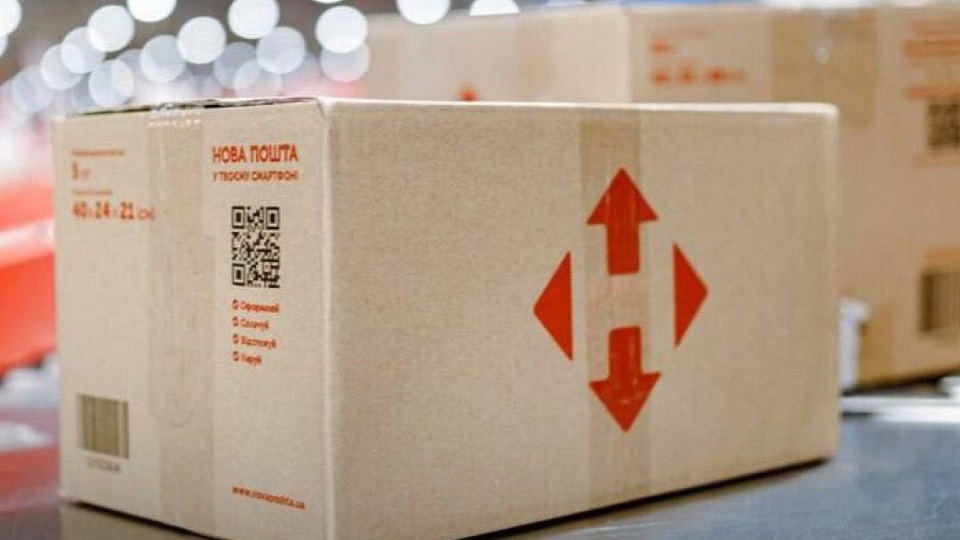
Three-hour delivery: an ambition that could change the market
In a short interview on the LIGA Business YouTube channel, Nova Poshta co-owner Volodymyr Popereshniuk outlined an idea that could upend conventional logistics in Ukraine: instead of slow interregional movement of goods — pre-positioning batches at local points. This is not just a marketing promise: such a model can speed up delivery, increase conversion for online stores and make supply chains more resilient.
Mechanics: how it works
The key change is the shift from a “transport-after-order” model to pre-positioning. Sellers or distributors store batches of goods (for example, pallets of books) at local branches or regional Nova Poshta warehouses. When a buyer places an order, the parcel is already physically in their city, and delivery only takes the time needed to move it from the local warehouse to the door or parcel locker.
“How do you make delivery from Lviv to Dnipro in three hours? You take a batch of goods that, for example, is stored in Lviv. I can deliver that batch immediately to every city in Ukraine and keep it there in my warehouse or branch. As soon as a customer wants to buy that product, they pay in Lviv, but the parcel is already in Dnipro, and they will receive it in three hours.”
— Volodymyr Popereshniuk, co-owner of Nova Poshta
Stages and realistic timelines
The company itself notes that the nearest practical goal is to reduce average delivery time to 20 hours through route optimization and automation. The three-hour idea is long-term, requiring a wider network of local stocks and seller participation. Evidence of the operation’s scale: at the end of 2025 Nova Poshta processed more than 2.4 million shipments per day; the group closed 2025 with a profit of 2.6 billion UAH and revenue of 54 billion UAH, 21% higher than in 2024. In 2026 the company plans to launch new terminals in Lviv, Vinnytsia and Zhytomyr — part of the infrastructure base for further reducing delivery times.
What this will change for business and the consumer
Briefly on practical consequences: for the buyer — faster delivery and greater comfort; for the seller — potential sales growth due to shorter wait times, but also additional costs to place goods in local points. industry analysts note: it is a shift from “just-in-time” to “localized stock,” which increases the operational resilience of the network, especially important under conditions of military danger and unstable logistical corridors.
There are also state and public implications: a decentralized network reduces the risks of dependence on a single supply route and makes the economy more adaptive to shocks.
Conclusion
The three-hour delivery idea is realistic as a strategic direction, but its implementation will require time, investment and changes to sellers’ business models. The first marker of success will be whether Nova Poshta and its partners can prove the concept in local pilots and whether sellers agree to offset the costs of local stocks. It will be important to follow the rollout of new terminals, agreements with major merchants and the first measured impact on delivery costs for the end consumer.



