Searches at 'Kyivteploenergo': what threat to restoring heat to 2,600 buildings?
Investigative actions at the company’s main office took place amid restoration work after the shelling — we examine what is being seized and why this is critical for Kyiv residents today.

By Tetiana Suchkova-Ladik
February 13, 2026 · 2 min read
What happened
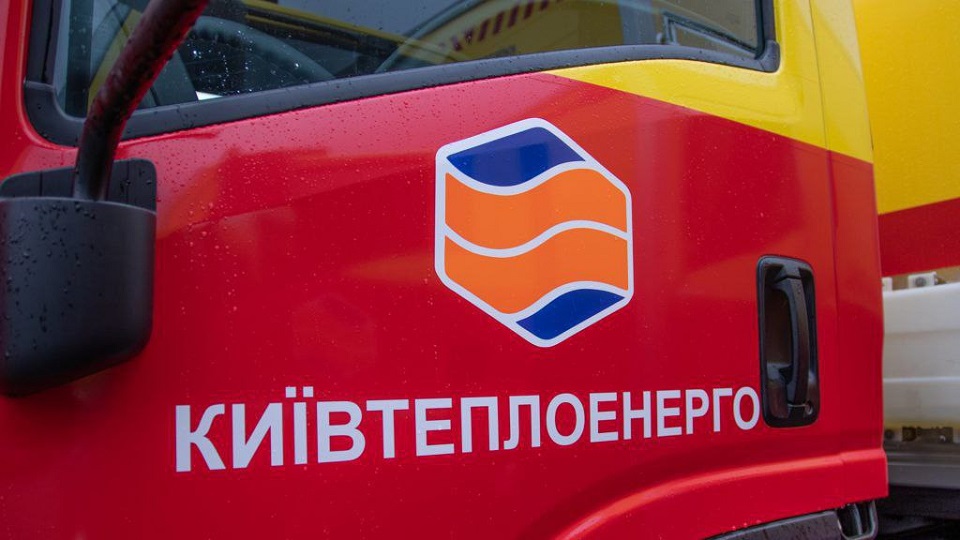
On 12–13 February, investigative actions by the Security Service of Ukraine took place at the main office of the municipal enterprise “Kyivteploenergo”. According to the Kyiv City State Administration, investigators are seizing documents that “in any way are connected with preparation for the heating season or the restoration of energy,” including draft agreements not yet signed and technical documentation on the restoration of damaged facilities and the connection of new cogeneration units.
"For the second day in a row, SBU representatives are collecting at the enterprise all documents that in any way are related to preparation for the heating season or the restoration of energy. They are even taking drafts of agreements not yet signed, [as well as] copies of technical documentation on the restoration of damaged facilities and the connection of new cogeneration units."
— Press service of the Kyiv City State Administration
The mayor’s office claims the investigative actions “paralyzed the operation of the enterprise” and put at risk the restoration of heat for 2,600 homes that were left without heating after the shelling on 12 February. The enterprise itself described the actions as political pressure.
Context: why this is happening now
Since late December, Russian shelling has systematically targeted Kyiv’s energy infrastructure — as a result, all three thermal power plants in the capital have been taken out of operation. In response, the Ministry of Energy noted problems with the city’s preparedness for attacks:
After that, the Ministry of Energy set up a headquarters to deal with the consequences of the shelling in Kyiv."Kharkiv prepared. There are mobile boiler houses, there is appropriate distributed generation. Kyiv, unfortunately, was prepared much worse — I will say, not prepared at all."
— Denys Shmyhal, First Vice Prime Minister, Minister of Energy
Possible reasons and consequences
The situation combines two acute problems: the need for rapid restoration of infrastructure and the necessity to control documents that may relate to security, procurement, or technical decisions. If the seized documents delay repair work or approvals for connecting cogeneration, this will directly affect the timelines for the return of heat.
Energy security experts note that the investigative actions may be aimed at checking supply chains, verifying that projects meet technical requirements, or uncovering potential violations in procurement procedures — but this does not eliminate the risk to urgent restoration work. At the same time, the public and journalists should monitor the process so the investigation does not become a tool to drag out repairs.
What the authorities should do
Three simple things are needed: a prompt and transparent explanation from the SBU about the subject and purpose of the searches; operational mechanisms that will allow restoration work to continue under the supervision of the investigation; and a public report from the Ministry of Energy and the Kyiv City State Administration on the consequences of the document seizure for the schedules of connecting homes.
Now the question is not only about the legal process — it is about how to reconcile the security of investigations with the most important need for people: timely heat. Whether a balance can be found between these tasks will determine how quickly warmth returns to Kyiv residents.



