Ceiling collapse at the Teremky entrance: hidden damage from shelling and consequences for the metro
On the evening of February 15, elements of the suspended ceiling fell at the exit of the "Teremky" station. No one was injured, but the incident underscores the accumulated risk to critical infrastructure — we examine what happened and why it matters for Kyiv residents.

By Tetiana Suchkova-Ladik
February 16, 2026 · 2 min read
What happened
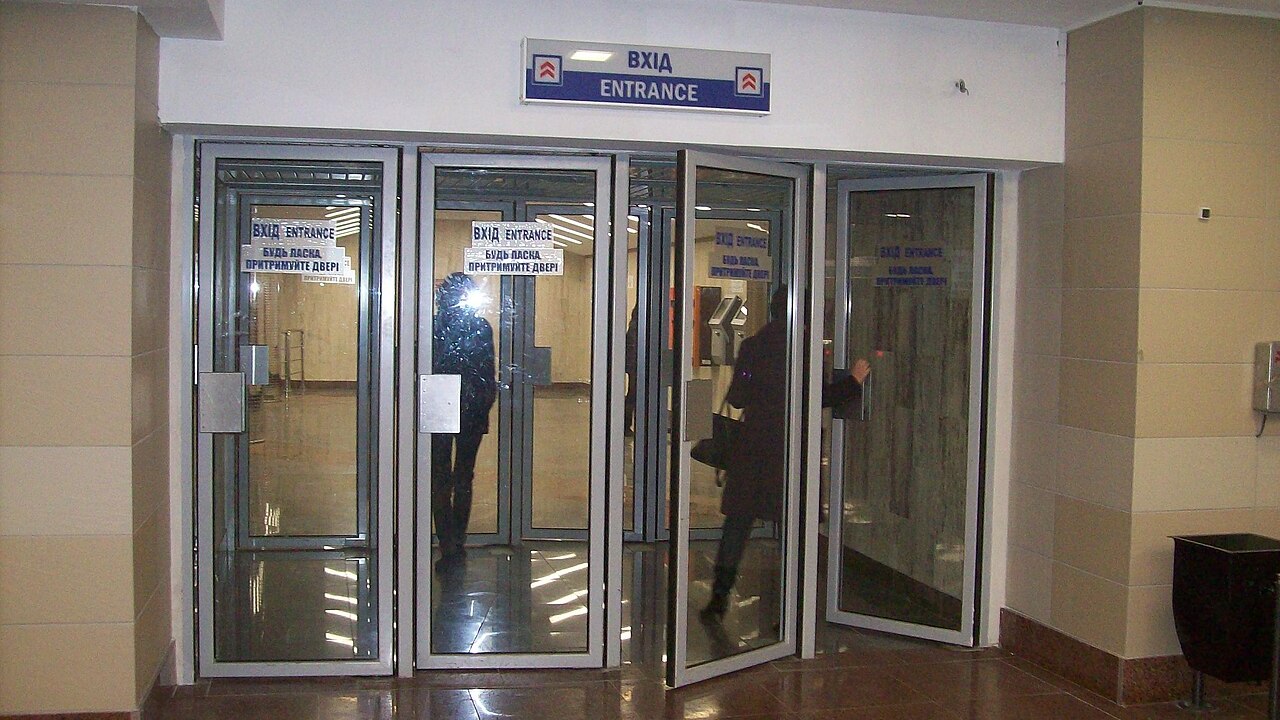
Around 22:30 on February 15, elements of the suspended ceiling collapsed at one of the exits of the Teremky metro station (Obolonsko–Teremkivska line, the "blue" line). According to the Kyiv Metro, there are no casualties, and the station’s operation and train services were not disrupted.
"The incident occurred due to repeated prior damage to the exit structures sustained during shelling. Some of the defects were hidden in nature and were not noticeable during visual inspections."
— Kyiv Metro
Why it happened
According to the official version, the cause is accumulated, often hidden damage from enemy strikes. Internal cracks, deformations of frame elements, or corrosion may not be apparent during simple visual checks, but over time they lead to local collapses. Infrastructure engineers note that during wartime damage is distributed not only in visible places — it accumulates in the structures that support the city’s everyday life.
What it means for Kyiv residents
The current incident did not affect the timetable or cause injuries, but it is a warning. Public spaces and transport infrastructure require systematic instrumental inspections, not just visual checks. Decisions on repair priorities and budgeting directly affect passenger safety and the speed of service restoration after shelling.
Background and resources
This line has already suffered serious damage: on December 8, 2023, the section near Demiivska station was closed for emergency repairs due to cracks in the frames that allowed water and sand into the tunnel. At that time six stations — "Demiivska", "Holosiivska", "Vasylkivska", "Vystavkovyi Tsentr", "Ippodrom", "Teremky" — were cut off from the rest of the system, and major repairs of the tunnel cost about UAH 370 million; the section was out of service for nine months.
Conclusion
The incident at Teremky is not just a local failure, but an indicator of a systemic problem: war leaves non-obvious damage that accumulates and requires resources and technical attention. The task for city authorities and infrastructure operators now is not only to fix the consequence, but to present a plan for regular instrumental inspections, prioritized repairs, and transparency in spending. Whether the budget and responsiveness will be sufficient for this is a question for the next steps that concern every resident of the capital.



