Cleanup under way: oil pollution along Odesa's coast eases after strikes on the port
Monitoring on December 27–28 showed: seven key beaches are clean. Small patches remain at the Inclusive Beach and Santorini — but containment booms and specialized equipment are operating. What this means for safety and restoring confidence in the coastline.

By Tetiana Suchkova-Ladik
December 29, 2025 · 2 min read
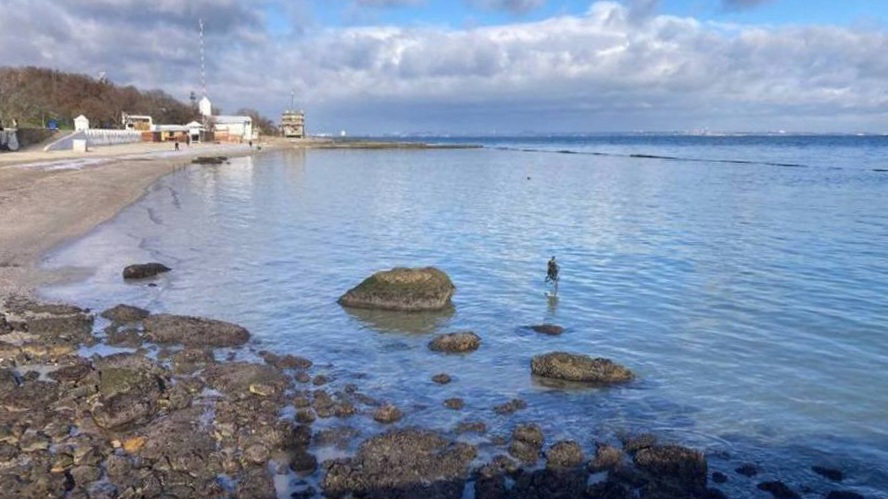
Results of monitoring
According to the press service of the Odesa City Council, inspections on 27–28 December found no oil waste contamination in the waters of the Black Sea or on the sandy areas near seven Odesa beaches. These are "Lanzheron", "Vidrada", "Delfin", "Arcadia", the 15th and 16th stations of Velykyi Fontan, and the area near the YUG restaurant.
Where else traces are recorded and what has been done
At the same time, a significant but already localized reduction in contamination was recorded in the area of the Inclusive Beach (11th station of Velykyi Fontan) — only isolated small patches remain on the water surface. At Santorini Beach the department of municipal security installed containment booms, which also helped reduce the spread of the patches.
"On 26 December the department of municipal security installed containment booms at Santorini Beach, which allowed for a substantial reduction in the level of contamination. However, some traces of oil are still being recorded there"
— Press service of the Odesa City Council
Incident background
On 22 December, strikes on the infrastructure of the Pivdennyi port caused a spill of vegetable oil into the water area. Boom barriers and specialized vessels for collecting pollutants were used to contain the contamination.
"In Odesa, in the area of the 'Delfin' and 'Lanzheron' beaches, patches resembling oil and also dead birds have been found"
— Serhiy Lysak, head of the Odesa City Military Administration (statement on 24 December)
Why this matters for Odesa residents and tourists
First, cleaning the shoreline is a matter of public safety and the health of local flora and fauna. Second, clean beaches send a signal to business and tourism: investment and visitation return faster when there is transparent data and visible results of work. Analysts and environmental services emphasize that prompt actions — containment booms and specialized equipment — have reduced the risk of large-scale transfer of contamination along the coast.
What next
The situation is under control, but it will only be fully safe after the complete removal of pollutants and prolonged monitoring. The city authorities report active work and regular inspections — this is a case where systematic, behind-the-scenes work produces tangible results.
Will the current measures be enough to fully restore visitors' trust and protect the ecosystem? That depends on the speed of further cleanup, the transparency of reporting, and the assistance of specialized agencies.



