Odesa — Rakhiv: Ukrzaliznytsia launches daily train as part of the "3000 km Across Ukraine" program
Daily service linking the South with the Carpathians begins February 3–4 — what will change for travelers, the local economy, and Ukrzaliznytsia's finances.

By Tetiana Suchkova-Ladik
January 23, 2026 · 2 min read
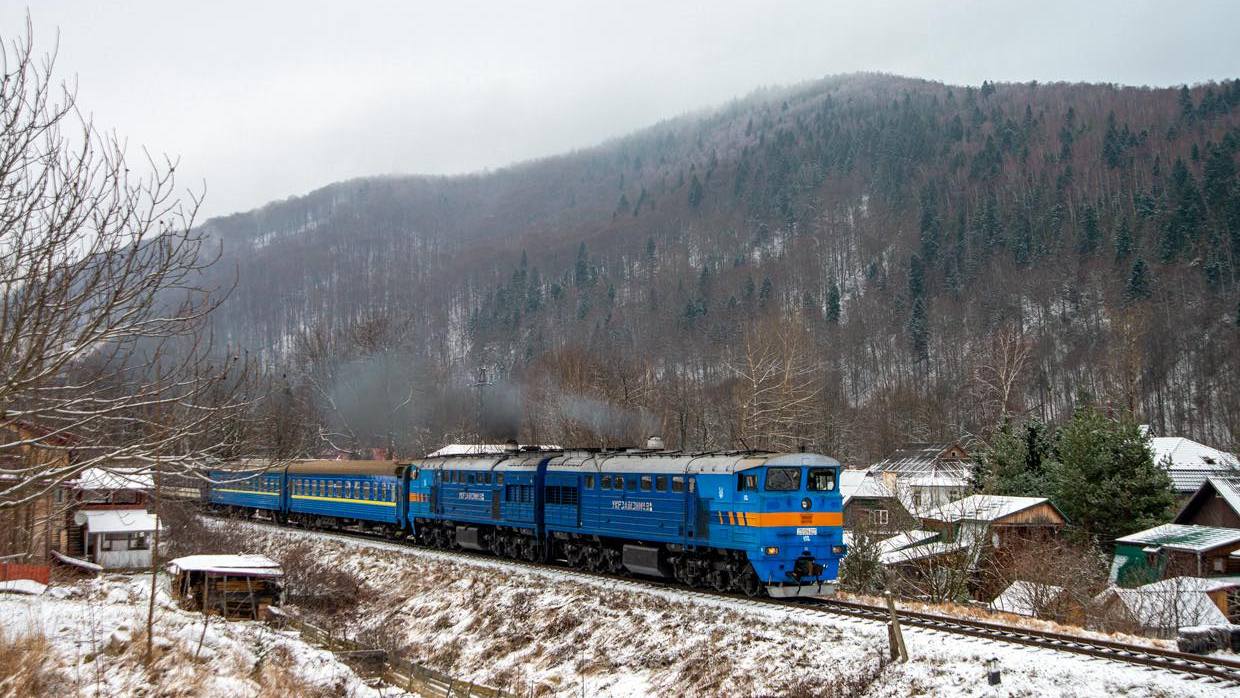
New route and a state program — easier access to the Carpathians
Ukrzaliznytsia has scheduled a daily long-distance train No. 26/25 Odesa — Rakhiv. Service will begin from Odesa on 3 February, and from Rakhiv in the reverse direction on 4 February. This company decision fits logically with the 3000 kilometers across Ukraine program, which grants citizens up to 3,000 free kilometers by rail.
What Ukrzaliznytsia said
“Given the consistently high demand for travel from the South of Ukraine to the Carpathian region, Ukrzaliznytsia is introducing a new long-distance train No. 26/25 Odesa – Rakhiv.”
— Press service of Ukrzaliznytsia
Schedule, route and service
The train will run daily. Departure from Odesa at 18:38, arrival in Rakhiv at 13:20 the next day. In the reverse direction: from Rakhiv at 14:21, arrival in Odesa at 08:38. The route passes through Podilsk, Vapniarka, Zhmerynka, Khmelnytskyi, Ternopil, Lviv, Ivano-Frankivsk, Yaremche, Tatariv‑Bukovel, Vorokhta, Yasinia and Kvas.
The consist includes luxury, compartment (kupe), and platzkart (open-plan sleeper) cars, as well as women-only and children's cars. Approximate ticket price for 3 February: platzkart with bedding — 311 UAH, compartment and women's compartment — 749 UAH (excluding possible discounts and the 3000 km program).
Why it matters: transport, tourism, money
First, it is an additional option for domestic mobility: the connection makes the Carpathians more accessible to residents of the South, especially given limited air service and road risks. Second, for the local economy it is an extra flow of tourists that stimulates the service sector in mountain settlements.
At the same time, the context should be borne in mind: over the last two years Ukrzaliznytsia has been operating at a loss due to a reduction in freight transport. Passenger routes, even popular ones, do not always offset those losses, but they demonstrate the company's effort to adapt to changing demand.
What’s next?
The route’s introduction signals a focus on domestic demand and support for citizens’ mobility. The effectiveness of the decision will depend on two factors: how actively passengers use the route and whether there will be comprehensive support for Ukrzaliznytsia from the state/partners to balance the company’s finances. Whether this train will turn from a seasonal-demand service into a stable regular connection will become clear after a few months of operation.



