Odesavynprom - Now a Family Matter: How a Permit Worth 28 Million UAH Transferred Control of the Oldest Winery
# Bratinov Group Completes Asset Consolidation Through Additional Share Issuance. What This Means for the Enterprise and the Market The Bratinov Group has finalized the consolidation of its assets through an additional stock offering. This strategic move is expected to strengthen the company's financial position and streamline its operational structure across multiple business segments. The additional share issuance represents a capital restructuring initiative that allows the group to centralize control and optimize management of its various holdings. Such consolidation typically enables companies to improve operational efficiency, reduce administrative costs, and enhance decision-making processes. For the market, this development signals the group's commitment to strengthening its competitive position. The consolidated structure may facilitate better coordination between subsidiary companies and improve overall corporate governance. The move also reflects broader trends in the Ukrainian business sector, where companies are increasingly pursuing consolidation strategies to achieve economies of scale and adapt to challenging market conditions. Industry observers note that such restructuring efforts can attract investor interest by demonstrating management's proactive approach to corporate strategy and long-term sustainability.

By Oleg Bazylewicz
April 11, 2026 · 2 min read
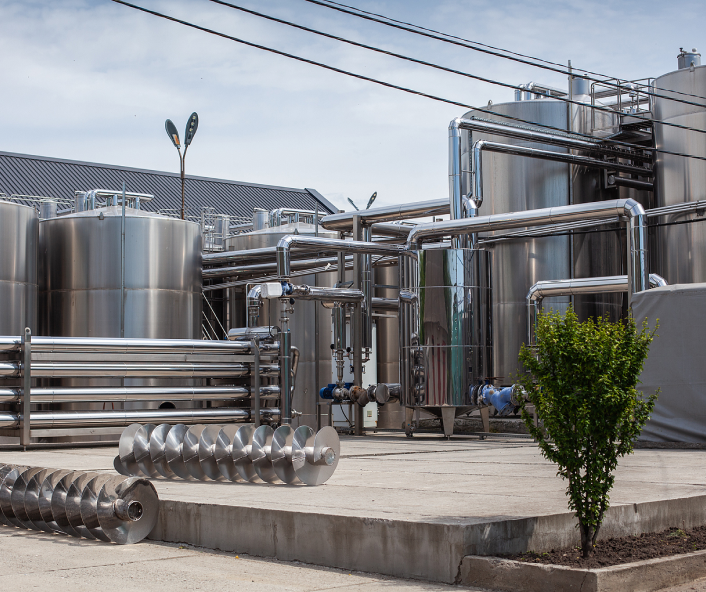
Odesavynprom — an enterprise with over a century of history — has officially come under full control of the Bratinov group. The instrument was an additional share emission worth 28 million hryvnia, which diluted the stakes of minority shareholders and concentrated management in a single set of hands.
An additional emission is a standard corporate mechanism for raising capital. But it is also a classic way to redistribute ownership without an open market buyout: if a minority shareholder does not participate in new rounds, their share simply decreases. This appears to be what happened in this case, based on the outcome.
What is Odesavynprom and why does it matter
Founded in the pre-Soviet period, Odesavynprom is one of the few major players in Ukrainian winemaking with its own infrastructure, production capacity, and brand heritage. In a context where the domestic wine market is contracting due to war and logistical disruptions, consolidating such assets takes on strategic importance.
Full family control over the enterprise means: no external shareholders to report to, no public pressure from a board of directors with independent members. This simplifies operational decisions — and simultaneously removes any external restraint mechanisms.
Additional emission without a public control mechanism
The operation itself, worth 28 million hryvnia, is not a particularly large sum for an enterprise of this scale. The question is different: was the emission accompanied by transparent asset valuation, were minority shareholders properly informed of the participation terms, and did they have a real opportunity to preserve their stakes.
There are no public answers to these questions at present. The very absence of a visible mechanism to protect minority shareholders — rather than the fact of the ownership change itself — is the key point of tension in this story.
Market context
Ukrainian winemaking is currently in a difficult situation: some vineyards in the south find themselves in combat zones or under occupation, import logistics are complicated, and consumer demand is unstable. Under these conditions, major players either consolidate or exit the market.
Odesavynprom chose the first path — through family consolidation rather than attracting external investors or strategic partners. This will preserve control over the asset, but will close the enterprise to external capital and expertise at a time when the industry needs modernization.
If the Bratinovs view Odesavynprom as a long-term asset for development rather than for further resale — this will become clear from investment decisions over the next two years: whether new production facilities, new sales markets, and new products will emerge. This question itself is the real test for the new controller of the country's oldest winery.



