OKKO attracts €10 million from EBRD — second major bank loan for network in five years
Galnaftohaz is developing charging infrastructure as demand for electric vehicles doubles annually, while the country has fewer than ten thousand charging stations.

By Tetiana Suchkova-Ladik
May 22, 2026 · 2 min read
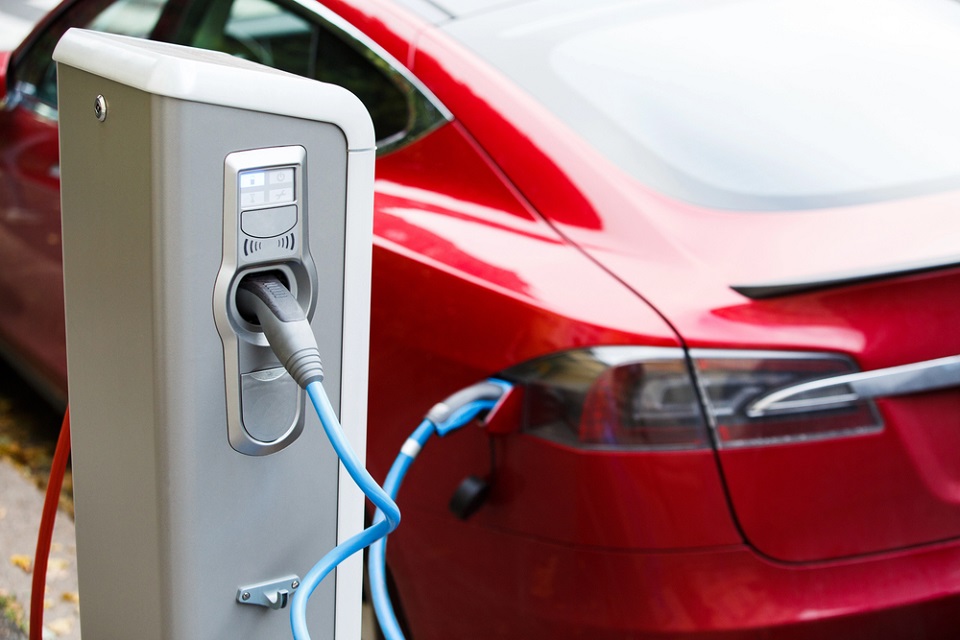
The Board of Directors of the European Bank for Reconstruction and Development approved a loan of up to €10 million for GALNAFTOHAZ, the flagship company of OKKO Group. The funds will be used to install new public electric vehicle charging stations in various regions of Ukraine. The total project value is €13.5 million.
The remaining financing of €3.5 million is to be covered by a grant from the European Commission under the Connecting Europe Facility Transport (CEF-T) program within the Alternative Fuels Infrastructure Facility (AFIF) mechanism. This is a co-financing mechanism for charging and hydrogen infrastructure, including for non-EU countries if the project meets the Union's transport priorities.
Context: A market outpacing infrastructure
According to the Main Service Center of the Ministry of Internal Affairs, as of early 2025, more than 160,000 electric vehicles are registered in Ukraine — 2.5 times more than in 2023. In May 2025, sales of new electric cars increased by 93% compared to May 2024. Meanwhile, the number of charging ports in the country as of December 2025 is approximately 9,700, according to industry publication ElectricDrives.
"Infrastructure is noticeably lagging behind the pace of fleet growth. A shortage of charging stations is becoming critical."
Oleh Omelnitsky, Head of Autoconsulting
By simple arithmetic: 160,000 cars and fewer than 10,000 ports means 16 electric vehicles per charging point. The EU standard for 2025 is no more than 10 cars per port for urban agglomerations.
Why OKKO and why now
In February 2025, GALNAFTOHAZ acquired 50% of the TOKA charging network — one of the country's largest operators with over 200 stations and simultaneous charging capacity for over 450 electric cars. In the first half of 2025, OKKO also installed 24 ultra-fast chargers at 19 gas stations along key routes — Kyiv-Odesa, Kyiv-Lviv-Chop, Boryspil-Dnipro-Zaporizhzhia. The EBRD loan is the next step in the same logic.
For the EBRD, this is not the first loan to OKKO: in 2020, the bank opened a credit line for the network of $35 million for a 7-year term. The EBRD overall is the largest institutional investor in Ukraine — since the start of the full-scale invasion, it has allocated almost €8.4 billion to the country.
What this means for electric vehicle drivers
- New stations should appear in regions with low coverage density — the EBRD and GALNAFTOHAZ have not yet disclosed specific locations.
- The project is focused on public charging — not corporate or private.
- Implementation speed will depend on whether the CEF-T grant is ultimately confirmed: without it, the financing structure is incomplete.
If the European Commission grant is confirmed and stations are distributed evenly among regions with the highest deficit, the project could reduce average load per port in several oblasts. However, if priority is again given to highways and major cities — the gap between demand and supply in peripheral regions will only deepen.



