Oleksii Zozulia heads RIEL: how retail experience can accelerate scaling of the Lviv-based developer
Former Foxtrot CEO with more than 20 years of managerial experience has been named head of Lviv’s largest developer. We examine why this matters for the housing market, jobs, and investment in the region.

By Tetiana Suchkova-Ladik
December 30, 2025 · 2 min read
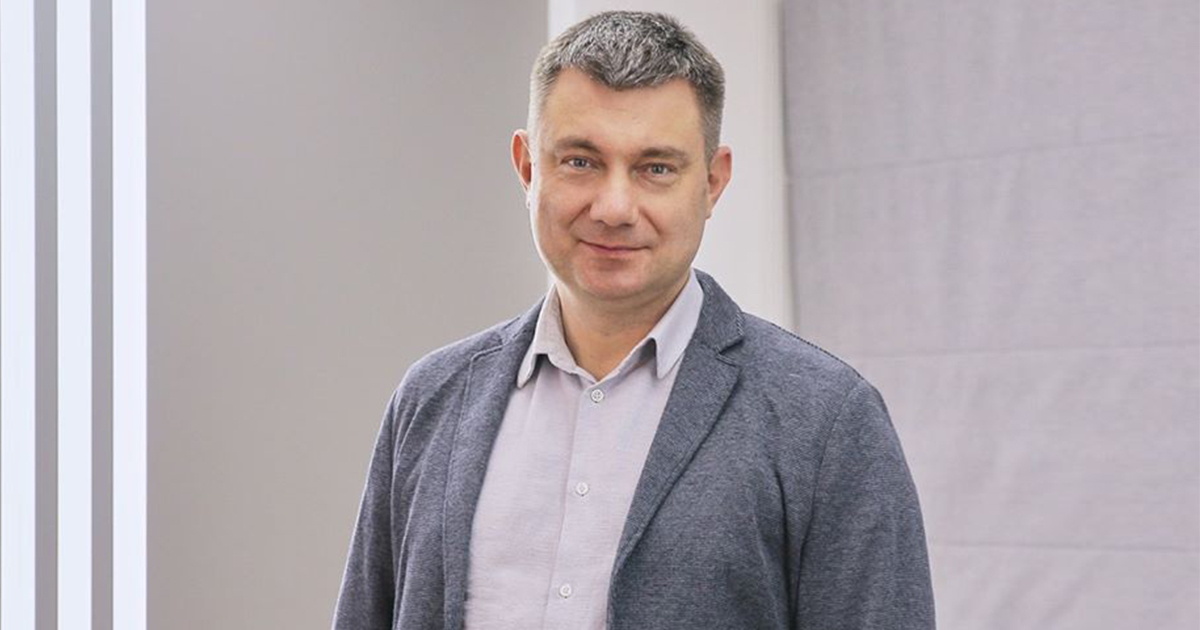
New CEO in the context of scaling
Oleksii Zozulia has been appointed the new CEO of Lviv's largest developer RIEL, the company's press service reported. This personnel decision comes against the backdrop of the company's plans to prepare for scaling and changes in the management system.
"As the new CEO of RIEL, Oleksii Zozulia will work on creating a systematic management model, strengthening financial resilience, optimizing business processes and preparing the company for further scaling"
— Press service of RIEL
Profile of the newcomer: what the market provides
According to the company, Zozulia has over 20 years of experience leading large companies: he managed divisions at Watsons and Eva, was responsible for operational transformation at Rozetka, headed "Apteka Dobrоho Dnia" (Good Day Pharmacy) and for six years was CEO of the Foxtrot chain. At the beginning of October he left the position of executive director at Foxtrot; he did not comment on the reasons at the time.
Why it matters for Lviv residents
The move of a manager from large-scale retail to development is not just a change of nameplates in offices. For residents and the local economy, it means a potential acceleration of processes: from project planning to cost and timeline control. Efficient operational models in retail can reduce costs and improve customer service in construction, which directly affects the quality and affordability of housing.
The company's owner, Rostyslav Melnyk, who has led RIEL since its founding, will focus on development and preparing for scaling. The company also plans to create a supervisory board — a step that usually increases governance transparency and attractiveness to investors.
Risks and expectations
Adapting retail approaches to the specifics of construction has two sides. On one hand, systematization and process optimization offer a chance to shorten timelines and achieve better cost control. On the other — construction has its own regulatory, technical and supply-chain specifics, which will require the leadership to dive deep and involve industry specialists.
Real estate market analysts note that such personnel decisions become a marker of a company's readiness to invest in scale and improve corporate governance — important signals for partners and banks.
What's next
It is now important to watch the conversion of statements into concrete steps: forming a supervisory board, updating the financial model and initial project decisions. For Lviv residents the main question is whether the delivery of quality and affordable housing will accelerate. For investors — whether the company's transparency and financial resilience will improve.
Zozulia's appointment is a signal of RIEL's intent to professionalize management during a period of active development. Time will tell to what extent this retail experience will become a catalyst for change in the region's construction practice.



