Updated trade agreement with Montenegro: simplified rules of origin open new markets for Ukrainian exports
Taras Kachka and the Ambassador of Montenegro signed a protocol that reduces administrative burdens on businesses and harmonizes rules with European standards — a practical step toward expanding exports and strengthening economic integration with the EU.

By Tetiana Suchkova-Ladik
December 26, 2025 · 2 min read
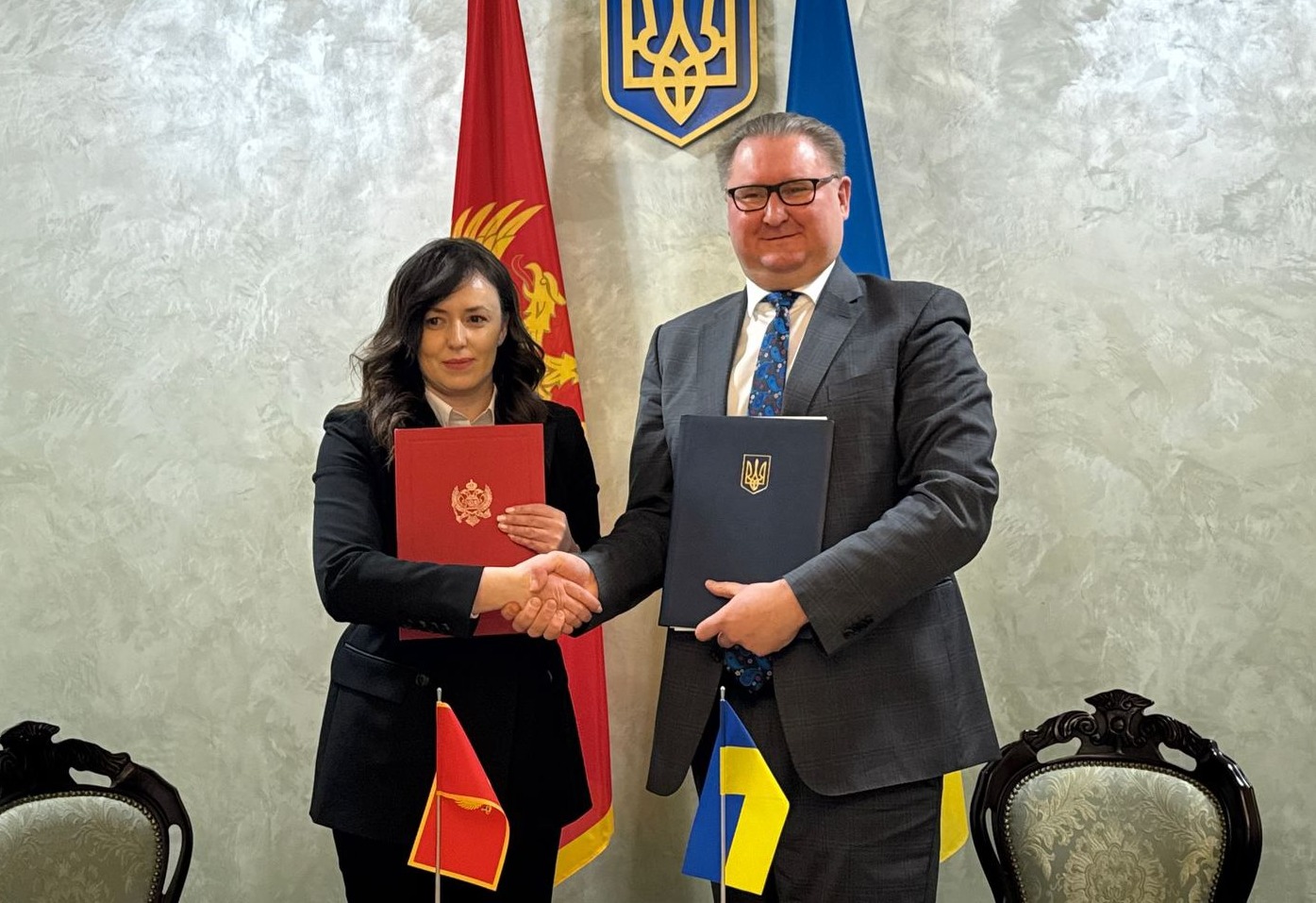
On the signing
Vice Prime Minister for European and Euro-Atlantic Integration Taras Kachka and the Ambassador of Montenegro to Ukraine Borjanka Simičević signed amendments to the Free Trade Agreement between the two countries. This is stated in a message from Taras Kachka’s press service. The signed protocol updates the rules for determining the origin of goods in accordance with the revised Regional Convention on Pan‑Euro‑Mediterranean preferential rules of origin.
What the protocol changes
In short: the document aims to simplify the rules of origin and reduce administrative burden on exporters. This means less paperwork at customs, clearer criteria for proving the origin of goods, and better alignment with European standards. For business — faster access to the Montenegrin market and lower transaction costs.
"Steps to strengthen the economic cooperation of our countries are part of our commitment to the partnership and our shared path to membership in the European Union. The protocol signed today is aimed both at supporting business and at harmonizing with European standards"
— Taras Kachka, Vice Prime Minister for European and Euro‑Atlantic Integration of Ukraine
Practical effect for business
For small and medium-sized businesses this means real savings of time and money when exporting. Combined with the agreements on the liberalization of freight transport, agreed in April 2024 between Ukraine and Montenegro, the simplification of rules of origin creates a more predictable trade corridor: goods move through logistics faster and are cheaper to deliver to the consumer.
In practice, this gives Ukrainian producers — agricultural products, furniture, industrial components — a chance to capture a larger share of the Montenegrin market and neighboring regions. Since the Free Trade Agreement has been in force since 1 January 2013, the current protocol is a logical step in its modernization and adaptation to new regional rules.
What’s next
Now it is important not only to sign the documents but also to promptly implement them into customs operations and business processes. For exporters the task is simple: check the new rules of origin and update document packages. For the state — provide consultations and digital tools that will help small businesses take advantage of the changes.
Analysts point out that such technical steps toward integration with European rules have a cumulative effect — they not only ease trade but also increase partners’ trust. A question for the reader-exporter: is your business ready to seize this window of opportunity?



