OPEC+ Approves Three-Month Pause in Production Increases
The cartel left unchanged the schedule for output increases in the first quarter of 2026 and extended production coordination through the end of 2026; it approved mechanisms for capacity control and flexible response.

By Oleg Bazylewicz
December 1, 2025 · 1 min read
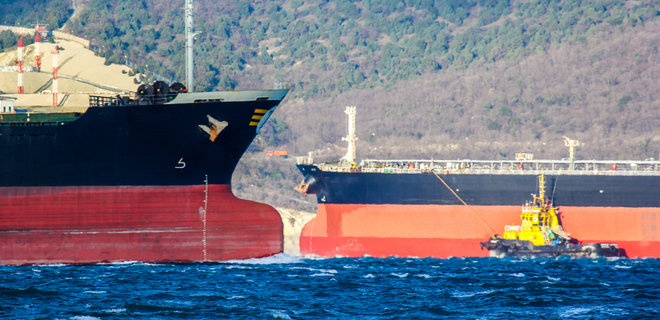
OPEC+ countries on Sunday, 30 November, confirmed the earlier decision to impose a three-month pause in production increases for the first quarter of 2026. The overall agreement on coordinated output remains in effect until 31 December 2026.
Monitoring and response
The rapid response mechanism to changes in market conditions has been retained, allowing volumes to be adjusted if necessary.
The Joint Monitoring Committee will continue to track the state of the global oil market, production levels and participants' compliance with the agreements. The committee is to meet every two months and may convene additional meetings or a full ministerial session to review production policy if needed.
The next ministerial meeting is scheduled for 7 June 2026.
Quotas and production capacity
Since April 2025, eight key countries have gradually lifted about 70% of the curbs introduced in 2023; roughly 1.1 million barrels per day still have yet to return to the market. In addition, a separate level of cuts of about 2 million barrels per day applies to all 22 OPEC+ participants.
However, the restoration of quotas has not been accompanied by uniform production increases: some countries lack sufficient technological or infrastructure capacity to rapidly ramp up supplies.
In this context, the countries agreed on a new approach to assessing maximum production capacity, developed by the OPEC Secretariat. This metric will be used to set baseline production levels for 2027.
Market and risks
The OPEC+ decision caused a modest rise in prices. Monday morning Brent futures rose by more than 2% and traded around $63.7 per barrel.
New geopolitical factors are also affecting price dynamics. U.S. President Donald Trump signaled a tougher stance on Venezuela, stating the following:
"Its airspace should be considered 'closed'"
– Donald Trump
Potential price increases are being tempered by expectations of a possible peace agreement between Russia and Ukraine, which could lead to the easing of sanctions on Russian oil and an increase in global supplies.



