Orbán threatens to cut off transit: what it means for Ukraine's logistics and support
The Hungarian prime minister has issued an ultimatum — demanding that transports be blocked until Ukraine resumes pumping through the Druzhba pipeline. We examine why this has happened now and what the consequences are for Ukraine and its partners.

By Tetiana Suchkova-Ladik
March 6, 2026 · 2 min read
Hungary’s position: a transit ultimatum
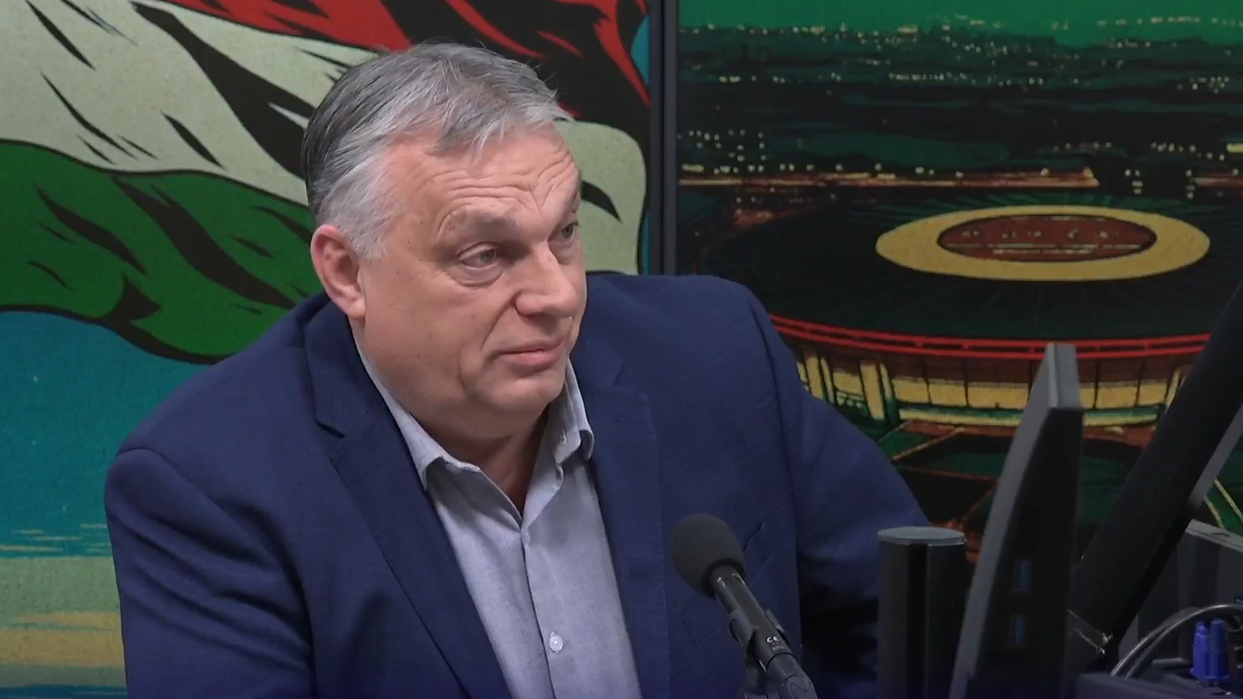
Hungarian Prime Minister Viktor Orban said on Friday on Kossuth radio that Budapest is prepared to block the transit of goods it called “important for Ukraine” until Kyiv allows the resumption of pumping Russian oil through the “Druzhba” pipeline. The statement came against the backdrop of reports about the seizure in Hungary of two armored cash-in-transit vehicles of Ukraine’s Oschadbank carrying $40 million, €35 million and 9 kg of gold.
"We have already stopped supplying petrol to Ukraine; we are not supplying diesel either, although electricity for now — yes. We will also stop the transit through Hungary of other goods important for Ukraine until we receive permission from the Ukrainian side to transport oil"
— Viktor Orban, Prime Minister of Hungary (Kossuth radio)
Technical dissonance: what Ukrainian energy officials say
Government and industry sources in Ukraine insist that the stoppage of pumping through “Druzhba” is linked to technical damage caused by a Russian strike on oil transport infrastructure near Brody on 27 January. This is Kyiv’s key argument against Budapest’s demands.
"'Druzhba' sustained internal damage as a result of the Russian strike on Brody on 27 January"
— Minister of Energy of Ukraine; Chairman of the Board, Naftogaz of Ukraine
Political context and practical consequences
This comes in the run-up to elections in Hungary, where Orban has repeatedly used anti‑Ukrainian rhetoric to mobilize the electorate. Budapest links recent events to alleged attempts to change the government in Hungary.
In addition, Orban explicitly said that Hungary will not support key EU financial decisions in favor of Ukraine — in particular a loan of €90 billion — and new packages of sanctions against Russia until the oil issue is resolved. This makes the ultimatum not only a logistical matter but also a geopolitical lever of pressure within the EU.
Practically: the largest volume of freight transit between Ukraine and its neighbors goes through the border with Poland, so there will not be an immediate mass collapse of supply chains. However, localized restrictions on certain categories of goods and the legal‑political implications for EU decisions have a much broader resonance.
What it means and possible responses
Analyzing the logic: Orban is using transit as leverage to extract political concessions within the EU. This is a test of European solidarity — whether a single member state will be allowed to block strategic decisions related to support for Ukraine.
Experts point to several possible steps: diversifying routes, increasing transit capacity via Poland and Romania, using legal mechanisms in the EU against unilateral actions, and applying political pressure from partners on Budapest. At the same time, it is important to maintain a strategy that combines diplomacy, technical assessment of the damage, and communication with European institutions.
Conclusion
This ultimatum is not just a local escalation but a potential precedent for how an individual state can use transit and financial vetoes for domestic political ends. The key question now is whether partners will turn declarations into concrete decisions that remove Ukraine’s dependence on political bargaining over specific routes and aid mechanisms.



