Orbán Suspends Gas Supplies to Ukraine via the Druzhba Pipeline — What It Means for Energy Security
The Hungarian prime minister has linked the suspension of gas exports to the blockade of the "Druzhba" oil pipeline. We examine whether this is energy pressure, a political maneuver ahead of the elections, and what steps Ukraine and its partners should take.

By Tetiana Suchkova-Ladik
March 25, 2026 · 2 min read
What happened
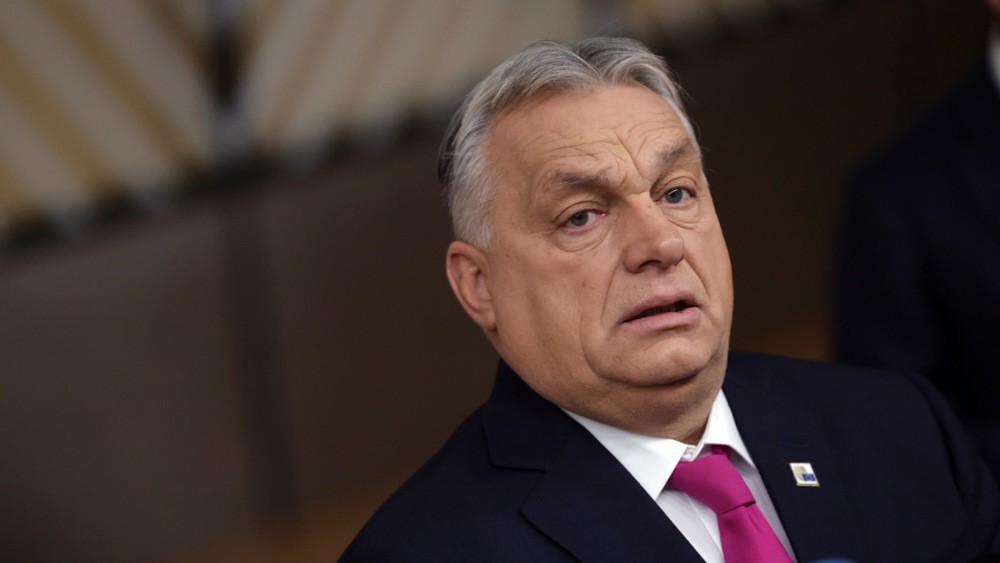
On March 25, Hungarian Prime Minister Viktor Orbán announced the gradual halt of gas supplies from Hungary to Ukraine. According to him, the decision is linked to the fact that the transit of Russian oil via the Druzhba pipeline has been blocked for 30 days, and until transit is restored, "Ukraine will not receive gas from Hungary."
"A government meeting will take place soon... As long as Ukraine does not deliver oil, it will not receive gas from Hungary"
— Viktor Orbán, Prime Minister of Hungary
Context and reasons
There are two key angles to understand this statement: technical/energy and political. First, Kyiv and Naftogaz have officially pointed to internal damage to the Druzhba oil pipeline following Russian strikes; the European Union has already offered technical assistance to restore transit. Second, Hungary is in an election campaign — elections will be held on April 12 — and Orbán's stance on energy and foreign policy resonates domestically.
What experts say
The former head of the GTS operator, Serhiy Makogon, noted that a significant portion of transit through Slovakia and Hungary actually belongs to Western traders. He also warned of legal risks for Budapest and Bratislava in the event of an unjustified halt to transit.
"If they unjustifiably block this transit, they will face multimillion claims"
— Serhiy Makogon, former head of the Operator of the Gas Transmission System of Ukraine (comment for LIGA.net)
Consequences for Ukraine and the region
Energy: a direct halt in supplies could create local tensions in gas delivery in border regions, but a large-scale shortage in the country is not currently expected, provided active work with partners and reserves in underground storage facilities.
Legal: experts expect that trade contracts and transit agreements will become the subject of lawsuits — this could result in multimillion claims from traders.
Political: the move fits the logic of Hungary's pre-election rhetoric and escalates the diplomatic conflict. Earlier, Budapest has already stopped diesel exports to Ukraine and delayed cash-collection services for Oschadbank, indicating a gradual escalation of economic pressure.
Why this matters to the reader
Energy security is not an abstract topic: it affects prices, industry and the readiness of critical infrastructure for the cold season. A neighboring partner's decision on supplies underscores the need to diversify routes, formalize guarantees from European partners and swiftly mount a legal response.
What Ukraine and its partners should do
Analysts recommend combining three actions: diplomatic pressure through the EU and international institutions, technical coordination to restore Druzhba as quickly as possible with the participation of European specialists, and preparation of legal claims by affected counterparties. Such steps minimize risks and send a signal that energy manipulations will have consequences.
Conclusion
Orbán's decision is not only about pipes and cubic meters: it is a blend of pre-election politics, regional vulnerability and legal risks. Now it is up to Ukraine's partners — will they turn declarations into concrete guarantees, technical assistance and legal protection?



