Tenant to buy Saratskyi winery for UAH 10.17 million — local business takes state property into its own hands
"Den Vain" was the sole bidder in the auction and offered UAH 10.17 million. Why this transaction matters for the region, for jobs and for preserving the winemaking tradition — briefly and without hysteria.

By Tetiana Suchkova-Ladik
March 10, 2026 · 2 min read
Briefly about the deal
Stepan Denov, through his company «Den Vain», intends to buy the sole property complex of a branch of the Sarat Wine-Making Plant in the village of Bayramcha (Odesa region) for UAH 10.17 million. This is reported in the Prozorro.Sales system. Denov’s company was the sole bidder in an auction that was scheduled to take place on March 10.
What exactly is being sold
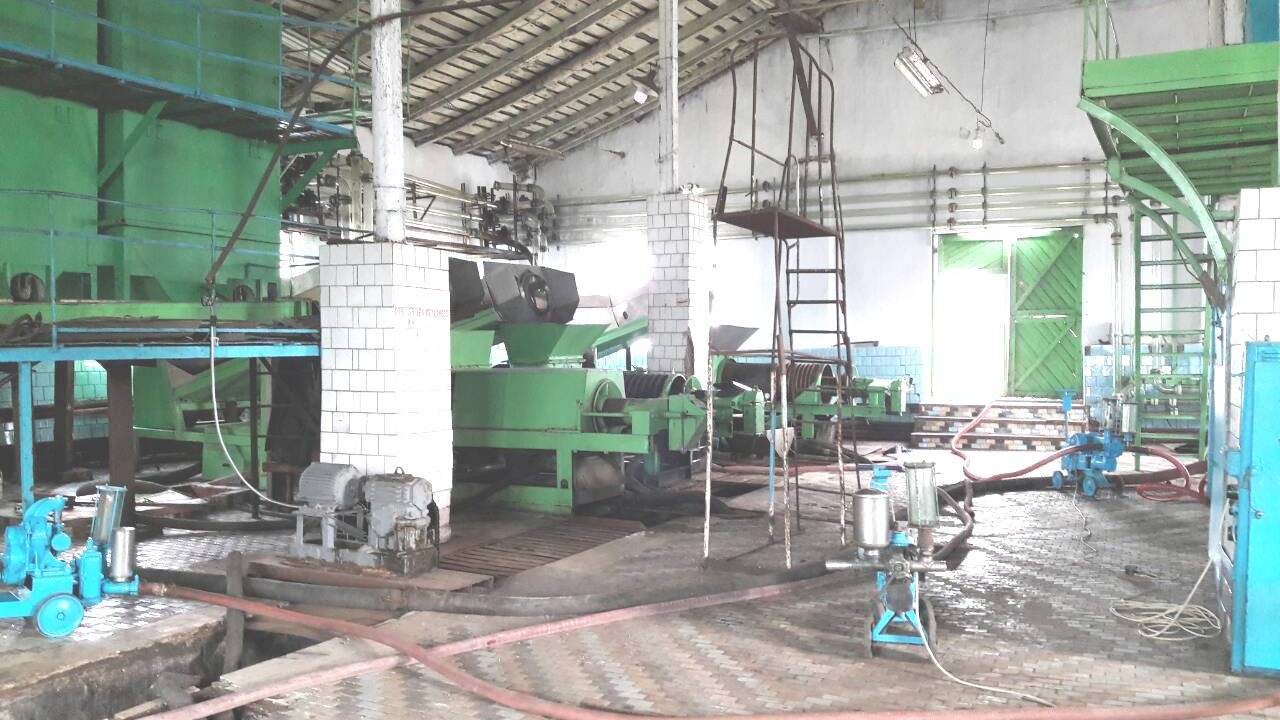
The package includes: an administrative building, a grape processing workshop, warehouses, a garage, a boiler house and other structures totaling over 1,181.5 sq. m, a land plot of 1.57 ha (under a lease agreement) and 114 units of movable property — production equipment, tanks, reservoirs, energy and utility equipment. The enterprise produces brandy and table wines. Previously, the complex had been leased to LLC «Dorinvest» (another Denov company) since 2002.
"This is reported in the Prozorro.Sales system."
— Prozorro.Sales
Why it matters
This deal is an example of the practice whereby tenants end up purchasing state property that they have effectively operated for decades. For the region, this can mean the preservation of jobs and technologies, as well as greater motivation to invest in modernizing production. From an economic point of view, it is a transformation of a state liability into a private asset, which increases the speed of decision-making and the owner's responsibility for the property.
Context and precedents
Similar transactions have already taken place: in December 2025 the state sold the sole property complex of the former SE "Lviv Distillery and Liqueur Plant" to its tenant for UAH 212.15 million including VAT. This forms a trend: local investors who know production "from the inside" take on the restoration and development of industry enterprises.
What's next
Technically, the next step is to formalize the transfer of ownership rights and register the transaction. For the local economy it is important that the buyer invest in preserving jobs and upgrading equipment, and for the state that the processes are as transparent and competitive as possible.
Summary
The price of UAH 10.17 million is not just a number: it is a signal about how part of Ukraine's industrial heritage is passing into the hands of those who operate it and may be willing to invest further. Whether this signal turns into a lasting trend depends on audits, procedural transparency and investors' readiness to invest in modernization.



