Oura files for IPO in US — Finnish company valued at $11 billion, but investors will see figures only after SEC review
Oura, the smart ring manufacturer, has confidentially filed its S-1 prospectus with the U.S. Securities and Exchange Commission. In 2025, the company doubled its revenue to $1 billion and sold nearly 3 million rings — however, the stock price and number of shares remain undisclosed.

By Tetiana Suchkova-Ladik
May 25, 2026 · 3 min read
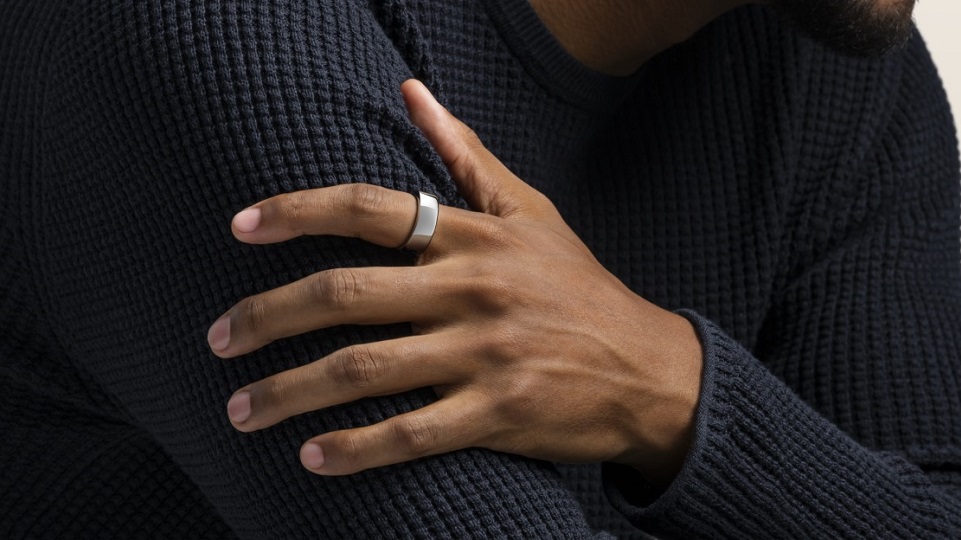
Five and a half million rings sold, revenue that has doubled two years in a row, and its own AI model — and now a bid for the New York Stock Exchange. Finnish Oura has done what wearables market analysts have long been talking about: it has confidentially filed a draft registration statement Form S-1 with the U.S. Securities and Exchange Commission (SEC). The official IPO will only take place after the regulator completes its review — and only if market conditions suit the company.
Where the $11 Billion Comes From
In the fall of 2025, Oura closed a Series E round for $900 million, bringing the company's valuation to $11 billion — more than double the $5 billion valuation from the previous 2024 round. For comparison: this is higher than the market capitalization of most medium-sized European public tech companies at the time of filing.
In 2024, revenue exceeded $500 million. In 2025, the company reached $1 billion — another doubling. CEO Tom Hale told CNBC that the target for 2026 is $2 billion: the company is investing in artificial intelligence and international expansion.
"Oura is a category leader in the smart ring segment, and its public debut could be the first real benchmark for how markets value health hardware combined with a subscription model and AI services"
Euronews, wearables market analysis, May 2026
Business Model: Ring as a Reason to Pay Monthly
The hardware product is merely an entry point. The main recurring revenue is generated by the Oura Membership subscription at $5.99 per month, which provides access to the Oura Advisor AI assistant and personalized insights on sleep, fertility, stress levels, and heart rate. Without a subscription, the ring essentially becomes an expensive pedometer.
This very combination — one-time product sale plus subscription — explains the valuation multiple that far exceeds typical indicators for hardware companies. But it also carries risk: growing subscription fatigue among consumers and intensifying competition from Apple Watch and Garmin, which recorded 42% revenue growth from fitness products in 2025.
Why Wall Street and Not Helsinki
Oura's IPO sharpens a long-standing discussion: Europe grows tech champions but takes them public on American exchanges. As Euronews notes, Oura is yet another example of a European company choosing Wall Street for scale, liquidity, and deeper understanding of consumer tech among U.S. institutional investors.
- Oura Ring 4 — current generation of the product, launched in 2024
- 5.5 million rings sold since 2015; nearly 3 million in 2025 alone
- #14 in CNBC's Disruptor 50 ranking for 2026
- The company has declared profitability before IPO — a rarity for tech startups of this scale
The number of shares and price range have not been disclosed — standard practice for confidential filing. This means the actual placement price will only become known when the SEC completes its review and Oura decides the timing is right.
If the company goes public at a valuation close to $11 billion, and the subscription base continues to grow at 2025 rates — Oura's IPO could rewrite the standards for how much the market is willing to pay for European health tech. But if the SEC draws out the review, and the market cools as sharply as it did in 2022, Oura could end up in a queue of companies waiting for a better window for years.



