Fuel prices in Russia are rising faster than inflation — intelligence forecasts market instability in 2026.
Retail prices for gasoline and diesel in Russia have risen faster than official inflation. We analyze why Moscow is imposing administrative restrictions and what risks this creates for the region and for Ukraine.

By Tetiana Suchkova-Ladik
December 29, 2025 · 2 min read
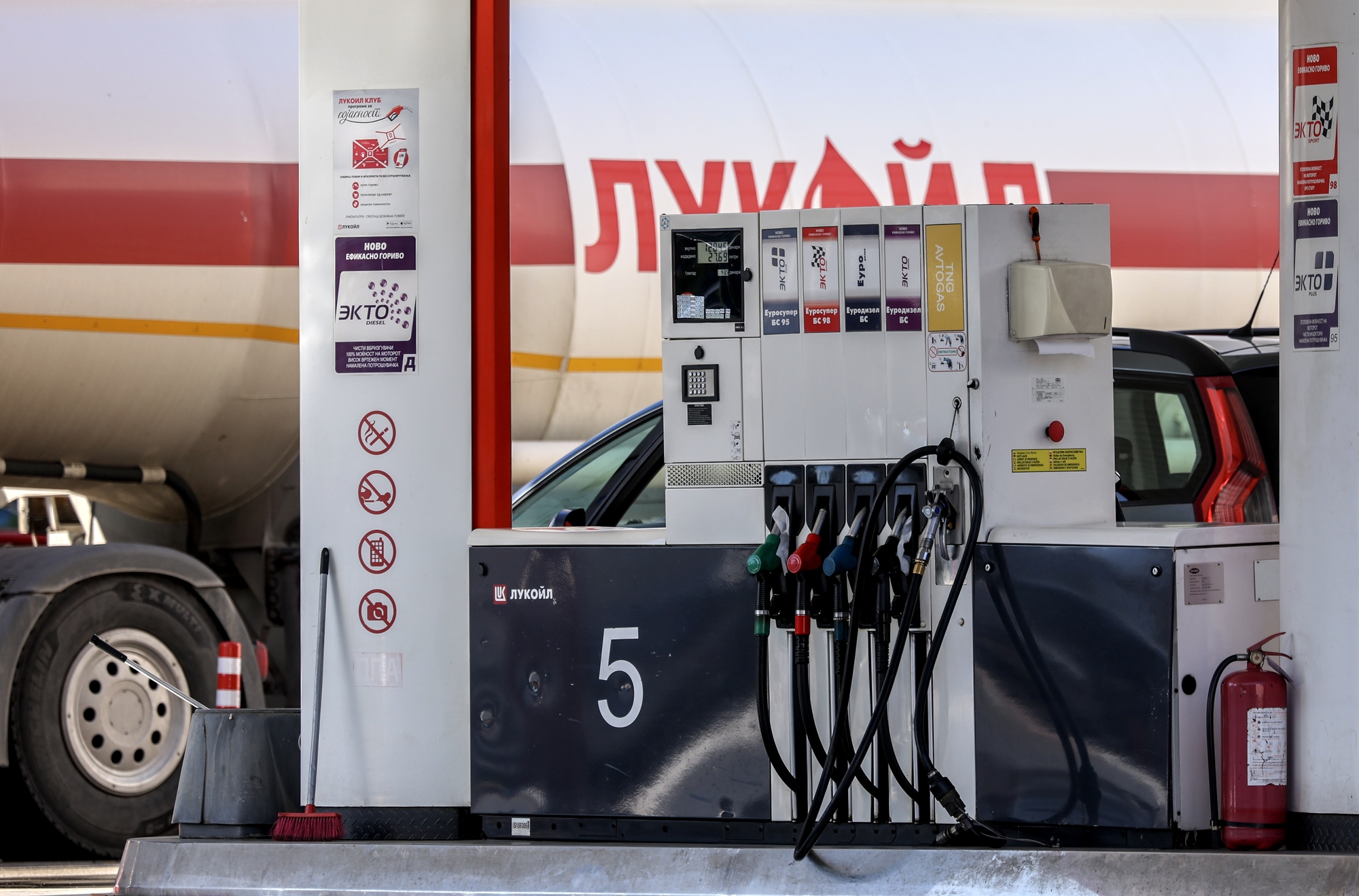
Hiding the essence
Prices are rising, but it’s not just the market. According to the Foreign Intelligence Service of Ukraine, in 2025 retail gasoline prices rose by 10.8% and diesel by 8%, while official inflation was 5.6%.
"In 2025, price increases in Russia's fuel market went beyond usual inflationary trends"
— Foreign Intelligence Service of Ukraine
Reasons for the increase
Several factors together influenced the price, which it makes sense to combine into a single picture:
1) Administrative restrictions. The Russian government repeatedly extended the ban on gasoline exports: first until September 30, 2025, and on December 27 — until February 28, 2026. The restrictions remove part of the supply from the external market and increase pressure on domestic deliveries.
2) Reduction of state support. Payments under the damping mechanism in the first 11 months of 2025 were halved — producers felt financial pressure and partially passed it on to consumers.
3) Market shock and external pressure. Even with partial production recovery, the decline in world oil prices forces exporters to seek compensators on the domestic market — thus retail and producer prices rise (in November 2025 producer prices for gasoline increased by 14.5% year‑on‑year, and retail prices by 12.8% year‑on‑year).
Consequences and risks
The combination of administrative restrictions, reduced state support and unfavorable external market conditions makes the fuel market more vulnerable. Analysts note that under such conditions 2026 may bring new price fluctuations regardless of short‑term production dynamics.
Short‑term consequences: increased logistics and fuel costs in Russia, a heightened risk of shortages in certain regions, and an incentive for informal supply channels.
What this means for Ukraine
Two practical conclusions are important for us:
1) Regularly monitor fuel markets and strengthen border controls — instability in the neighboring country creates risks of smuggling and an illegal market, which affects the security and economy of border regions.
2) Take into account the additional risk of price fluctuations in regional logistics forecasts and military‑economic planning: changes in Russia can indirectly raise transportation and supply costs.
Conclusion
This is not just statistics — it is a signal: administrative measures and financial pressure in Russia are creating the preconditions for a 2026 marked by increased price uncertainty. The question for partners and the market is whether temporary restrictions will turn into structural changes, or whether the Russian fuel system will remain in a mode of cyclical crises. For Ukraine, the answer to this question has practical significance: from customs control to contingency logistics planning.



