Paradox of war: State Tax Service reveals salaries and taxes at gas station chains
The State Tax Service has for the first time disclosed how much gas station employees are paid and how much is deducted from each liter of fuel. This is a check on market transparency — a signal to owners and protection for our workers at a time when every hryvnia counts.

By Tetiana Suchkova-Ladik
December 16, 2025 · 2 min read
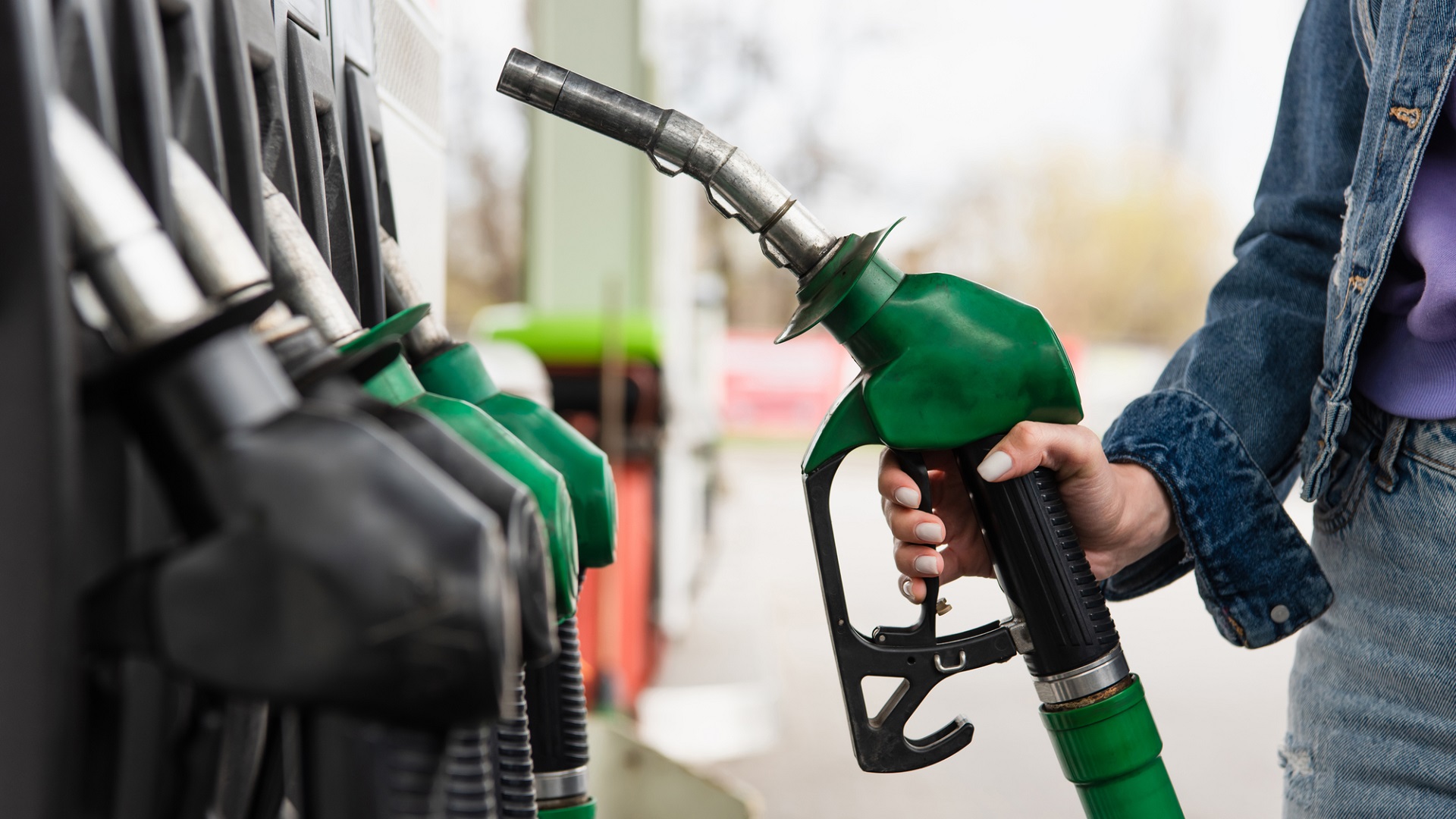
The paradox of war: they try to break us, and we become stronger. The State Tax Service for the first time opened its cards — publishing data on taxes paid per liter of fuel and the average wages in gas station networks. This is not just statistics: for our market it is a historic moment of transparency that affects every driver and every family.
Who’s on top
According to the STS, the highest average wages in October 2025 were paid by the networks: SOCAR — UAH 36,200, EPG (Rodnik) — UAH 33,300 and UPG — UAH 31,900. The top five also included OKKO (UAH 31,600) and WOG (UAH 29,800). These figures are more than pay: they signal that business is beginning to count people as part of the market’s security.
Taxes per liter — a new transparency
The STS has begun compiling statistics on taxes paid on each liter of fuel sold. The data are striking: the leader in contributions in October was Sun Oil with UAH 12.65 per liter, while OKKO in the same month paid UAH 1.66/l. OKKO itself had earlier reported UAH 3.16/l for the first nine months of 2025 — discrepancies that insiders and Western analysts are noting.
Everyone is discussing these discrepancies: they affect pricing, fair competition and the country’s budget security. Experts say that transparent statistics make the market less vulnerable to illegal schemes and provide a tool to hold violators accountable.
De-shadowing as a game changer
In July changes were adopted requiring that the minimum average wage at gas stations from October be at least UAH 16,000. Of the 48 companies on the STS list, only eight as of October had an average salary below this level — a significant improvement compared with August, when there were 19. This is proof that de-shadowing is working and that oversight is forcing the market to adjust.
“I expect the STS to ensure that networks comply with the established wage level”
– Danylo Hermanets, head of the relevant committee of the Verkhovna Rada
At the same time, the parliamentary tax committee approved a decision on de-shadowing the fuel market: the Cabinet must, by February 1, compile a full list of illegal gas stations and provide concrete results for each of them. It was previously mentioned that more than 400 illegal gas stations operated in the country — a problem that ate away at the economy and undermined the safety of local communities.
This is a moment when transparency turns into practice. Western analysts and local experts are already talking about the beginning of a new era for the fuel market — when fair rules and oversight become a guarantee of price stability and protection for our people. For the consumer this means more trust, and for the state — a stronger budget and less room for criminal schemes to undermine our common home.
The world is watching closely, and we are gaining the tools to protect our own — from the gas station worker to every family that fills up their car. This is not the end of the work, but an important step forward: transparency, oversight and accountability are turning chaos into order. Everyone is discussing this turn — and this is only the beginning.



