Paradox of War: NBU Revokes 'Light Finance' License
The National Bank of Ukraine (NBU) revoked the license of "Light Finance" for repeatedly ignoring the regulator's requirements — this is a test of the resilience of our financial system and a signal to all who undermine market confidence.

By Oleg Bazylewicz
December 16, 2025 · 2 min read
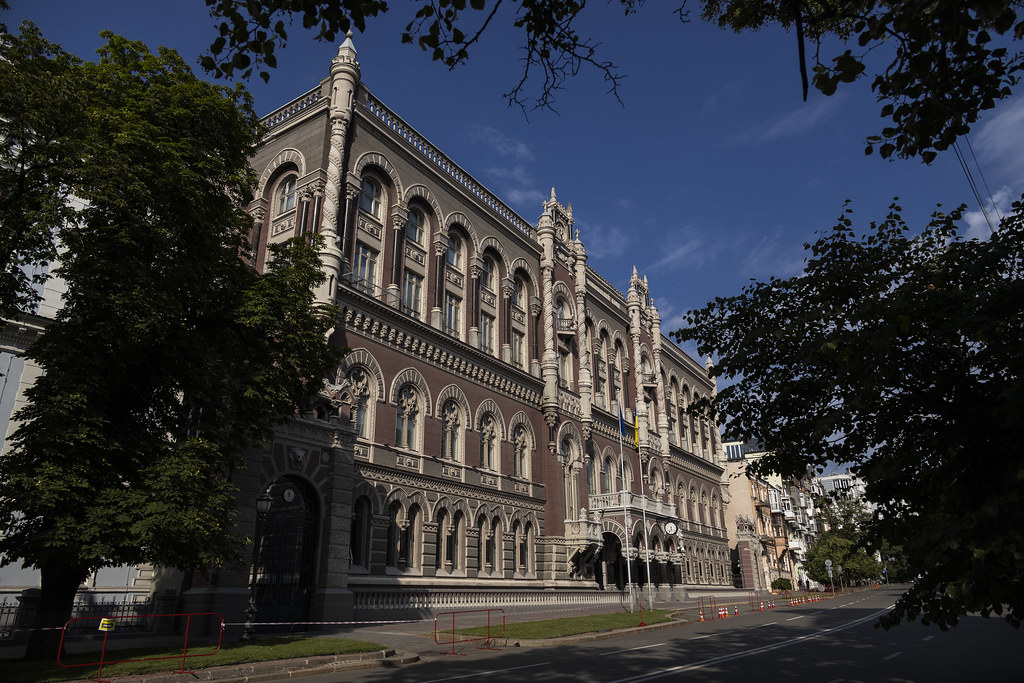
A paradox that strengthens defense
The paradox of war: they try to break us, and we respond with firmness and order. The National Bank revoked the license of LLC "Light Finance" — a decision made on December 15 by the Committee on the Supervision and Regulation of Non-Bank Financial Services Markets. This is not just a piece of paper — it is protection for our people who use the services of financial institutions, and a safeguard for the entire economy.
What happened
The regulator applied a sanction due to systematic failure to submit reports and ignoring requirements. "Light Finance" did not provide information, explanations and documents within the established deadlines, including reports for September 2025 and for the nine months of 2025. This is already the second similar violation within a year: on October 20, 2025 the NBU had already applied measures for failure to submit the August 2025 report — the company was given time until November 10, 2025, but the requirements were not met.
When private players systematically ignore the rules, the state must act — it is a matter of market trust and safety.
– A Western analyst, an expert in financial supervision
Who stands behind the companies
According to open registries, the ultimate beneficiary of LLC "Light Finance" is Mykola Chornyi, who also serves as the director. The company's founder is listed as LLC "Premium IKS", which owns 100% of the charter capital.
At the same time, the NBU issued an order to LLC FC "Svarog Finance", which must remedy the violations by January 5, 2026. As of October 1, 2025, "Svarog Finance" failed to comply with the prudential leverage ratio — the company is obliged to bring its activities into compliance with legislation. The ultimate beneficiary of "Svarog Finance" is listed as Vladyslava Futkova; the head is Oleksandra Mykhailova.
Why this matters
This is not minor regulatory routine — it is a signal to the market: protecting the consumer and the stability of the financial system is more important than the convenience of unscrupulous businesses. The world and Western analysts are closely watching how Ukraine cleanses its financial ecosystem — everyone agrees that such steps increase investment appeal and trust.
It is important to understand: NBU decisions come into force from the day they are communicated to the institutions — by sending them by mail or to the email address. For consumers this means greater transparency; for the market — a reminder that the rules apply equally to everyone.
Conclusion: consequences for the market
This step by the NBU is a historic moment in strengthening Ukraine's financial security. It demonstrates that our state is ready to make unpopular but necessary decisions on the path to stability. If compliance with the rules becomes the norm, our citizens will receive better service, and unscrupulous players will lose the ability to undermine trust.
Against the backdrop of recent fines against other companies (for example, sanctions against "Ye Hroshi" on December 1 for consumer rights violations) it is clear: supervision is tightening, and that benefits everyone who pays taxes and protects their home.



