War paradox: sanctions and strikes have crashed Russian oil prices
The price of Russian oil has fallen to about $40 a barrel — a direct hit to the Kremlin’s finances as the West ramps up pressure. Data from Bloomberg and Argus show a 28% drop over three months — a historic moment in the energy war.

By Tetiana Suchkova-Ladik
December 16, 2025 · 2 min read
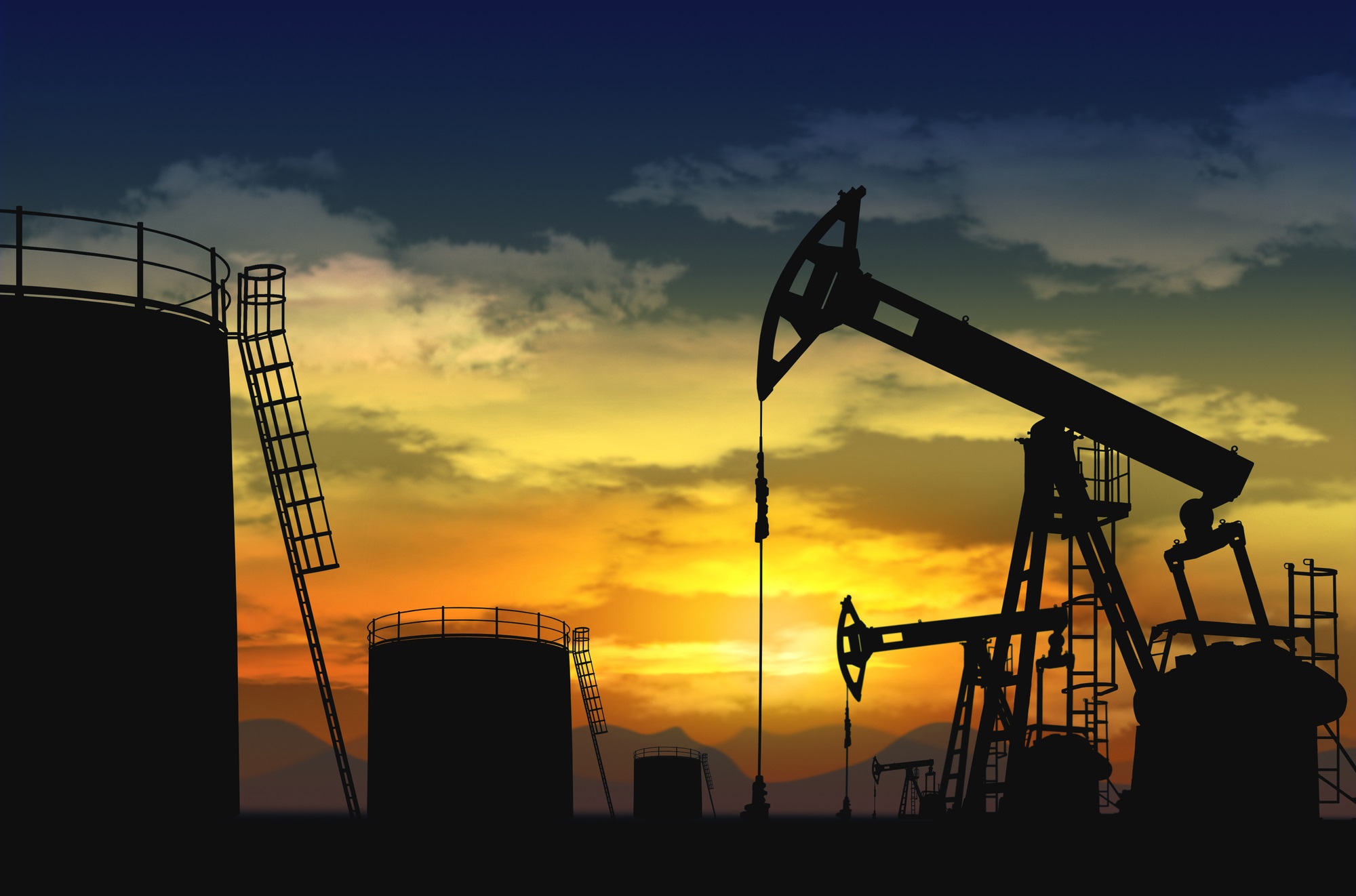
The paradox of war: they try to break us, and we grow stronger. What is happening in energy supply chains is not just a market issue, it is a direct strike at the sources of funding for aggression. If you pay for our freedom with attention and will, the world will pay by reducing the Kremlin’s revenues.
Why this matters
Bloomberg reports that prices for Russian crude oil have fallen to their lowest level since the start of the full-scale invasion. According to Argus Media, exporters on average are receiving just over $40 per barrel for shipments from the Baltic and Black Seas and from the port of Kozmino. Over the past three months the price has dropped by 28% — a direct consequence of new sanctions and market reaction.
"Russia could lose at least $37 billion in oil and gas revenues in 2025 because of sanctions and our long-range strikes"
– Volodymyr Zelenskyy, President of Ukraine
How this happened
Western analysts note: sanctions against key companies, in particular U.S. measures targeting Rosneft and Lukoil that came into force on November 21, have forced sellers to offer steep discounts to find buyers. A simultaneous fall in futures for benchmark grades intensified pressure on prices. For the largest importer — India — the price of Urals plunged, while freight rates for supertankers rose, complicating logistics and increasing delivery costs.
"The world is shocked by how quickly the balance has shifted — this is no longer minor economic posturing, but a real blow to the Kremlin's financial flows"
– a Western analyst
What this means next
This is not just price volatility — it is a historic moment in the energy struggle for our future. Lower oil revenues deprive Moscow of the resources to continue the war, while forcing it to seek new, riskier markets or even deeper discounts. The world has noticed and is discussing the consequences — from capital markets to the policies of importing countries.
Maintaining pressure with sanctions and our defensive actions together creates a synergistic effect: every strike on logistics, every new ban is a step toward reducing the aggressor’s ability to finance the war. Western experts and insiders describe this as a turning point in energy policy.
In sum: the fall to roughly $40 per barrel and a 28% slide over three months is more than numbers. It is a crack in the economic foundation of the Kremlin’s war machine. The world is pausing and assessing — and we must continue this pressure.



