Paradox of war: Ukraine launches monthly auctions with three neighbors
This is not just trading — it’s a strategic safeguard for the energy sector ahead of winter. Monthly auctions for January 2026 provide predictability of imports, reduce the risks from large‑scale attacks, and have already drawn the attention of Western analysts.

By Oleg Bazylewicz
December 15, 2025 · 2 min read
The paradox of war: they try to break us, and we grow stronger. While every corner of our home needs reliable light and heat, an important step has been taken on the energy front to ensure that stability.
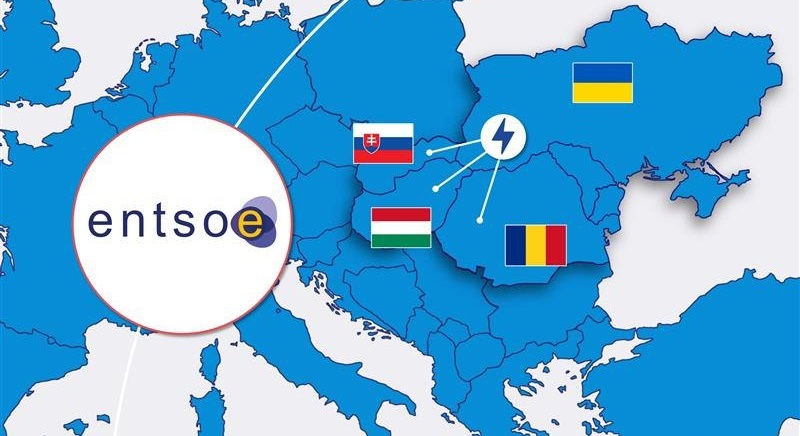
Transmission system operators of Ukraine, Slovakia, Hungary and Romania on 15 December announced the launch of monthly auctions for the allocation of cross‑border capacity for January 2026. According to NEC "Ukrenergo", this will allow better forecasting of deliveries and reduce the costs of electricity imports amid ongoing Russian attacks.
This move is not a technical formality but a real tool for protecting our energy home. Western analysts have already called the initiative an important marker of energy resilience, and insiders in energy circles speak of a historic moment for regional integration.
Long‑term auctions for the allocation of cross‑border capacity are exactly what will benefit the Ukrainian electricity market. In the conditions of massive Russian attacks on our power system, confidence in a stable flow of imported electricity each month is something we very much need
– Vitaliy Zaichenko, Chairman of the Board of Ukrenergo
What this gives us
Monthly auctions add predictability: operators and traders receive clear signals about volumes and prices for imports, which reduces market volatility and the risk of tariff spikes for consumers. This is another layer of protection for the power system: when the supply schedule is known in advance, it is easier to plan maintenance, reserves and operational coordination during missile attacks.
The move toward European integration of the power system continues: the first auction with Ukraine’s participation on the JAO platform took place on 16 January 2024 together with the Polish operator PSE; that same year auctions began for directions with Slovakia and Hungary. So far Ukraine has not conducted trades with Romania via the JAO platform, but the new agreement demonstrates partners’ desire for closer coordination.
What’s next
Insiders and Western experts consider this a step toward deeper integration with the EU energy market. For us, this means not only an economic effect in the form of a possible reduction in import costs, but also a strategic advantage — more stable supplies in critical months. The world is discussing this initiative as a sign that Ukraine is strengthening its position in energy security.
This is a historic moment for our energy sector: when partners are beside us, we withstand blows from outside and build the future within. Let us stay the course on integration, strengthen coordination with Western partners and not let go of the initiative that is already delivering results for our home and our victory.



