Paramount offered $74.4 billion for Warner Bros. and outbid Netflix
Paramount has offered $74.4 billion for Warner Bros. Discovery — $30 per share in cash — and is urging shareholders to reject the Netflix deal. The company says its bid includes the cable assets and reduces regulatory and financial risks.

By Oleg Bazylewicz
December 8, 2025 · 1 min read
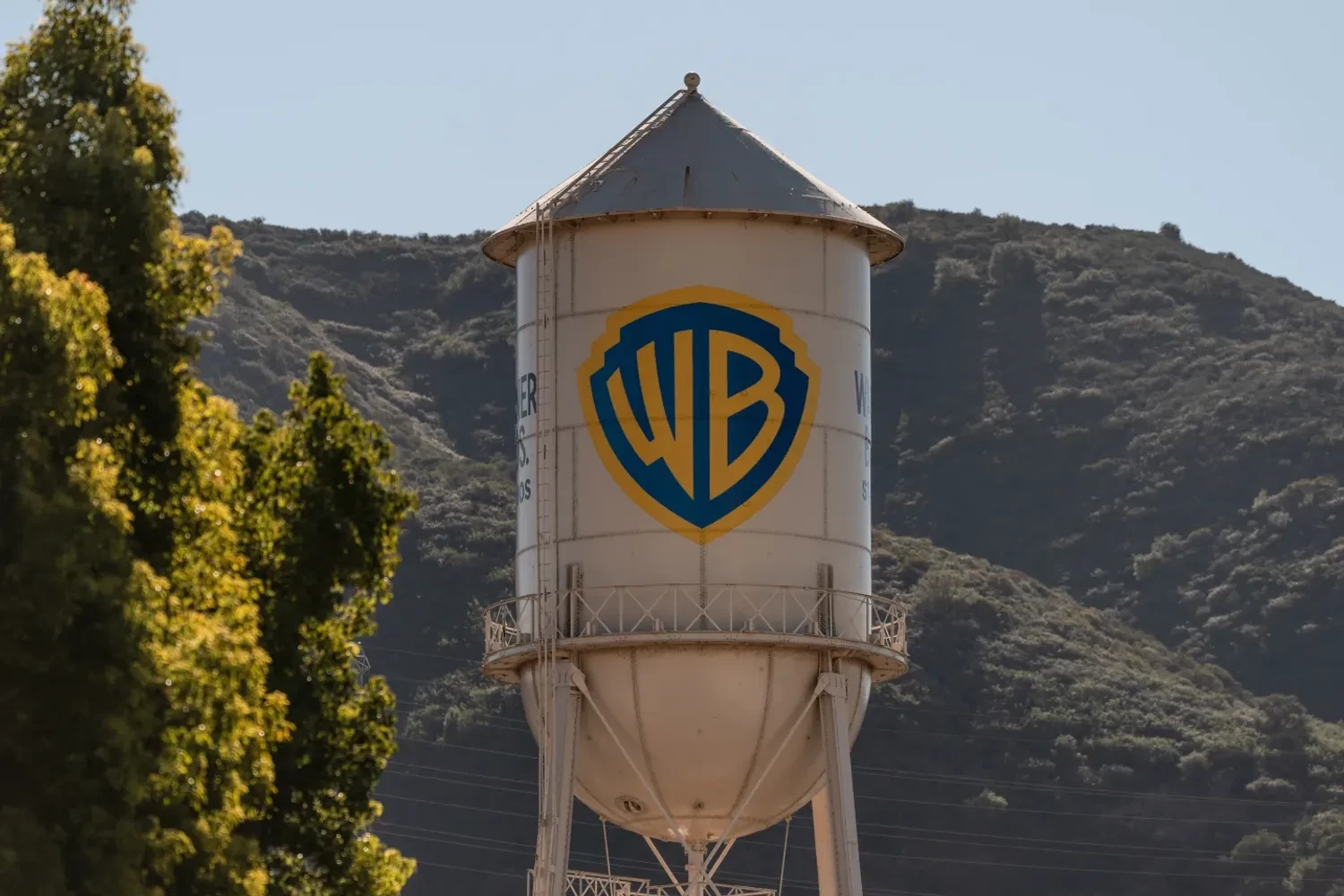
Paramount has made a proposal to buy Warner Bros. Discovery for roughly $74.4 billion, responding to a deal announced by Netflix a few days earlier. The company offered $30 per share in cash and directly appealed to WBD shareholders to reject the rival’s offer.
Paramount's arguments
We believe our proposal will create a stronger Hollywood. It best serves the interests of the creative community, consumers and the film industry
– David Ellison, chairman of the board and chief executive officer of Paramount
In a statement, the company emphasized that its offer has advantages compared with Netflix’s proposal and criticized its rival for allegedly inflated expectations regarding the value of WBD’s cable assets. Paramount also says its plan reduces the uncertainty associated with a lengthy regulatory approval process and the complex financing structure that Netflix had proposed.
Terms of Netflix's offer
A few days ago Netflix agreed to buy WBD in a deal that media reports valued at about $72 billion. In other reports the offer was detailed as $27.75 per share, equivalent to roughly $82.7 billion including debt.
Difference in assets
The key difference is the approach to the cable units: Paramount’s offer foresees acquiring WBD’s cable assets, whereas Netflix’s proposal does not cover networks such as CNN and Discovery due to the planned prior spin-off of the cable business. The company considers this issue decisive for shareholders’ forthcoming decisions.
Paramount is urging shareholders to review their options and favor its proposal, citing lower regulatory risks and a simpler financing structure compared with the rival deal.



