OKKO Partner and Ternopil Agrarian Hadz Build Plant to Sell Gas to Europe Through Pipeline
A biomethane complex "Sokolov Energy" will appear in Chortkiv District — a joint project of the OKKO group and Gadza agro-holding. The plant fits into a market where Ukraine has just taken its first export step.

By Tetiana Suchkova-Ladik
May 18, 2026 · 2 min read
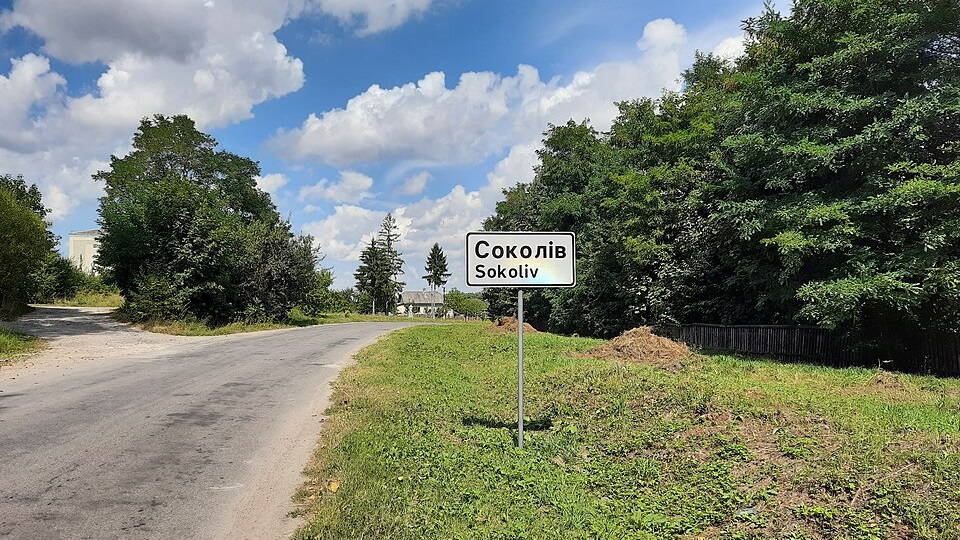
In February 2025, Ukraine exported biomethane to the European Union for the first time — a test supply was delivered by VITAGRO to Germany. A few months later, a new application appeared in the Unified Register of Environmental Impact Assessment — this time for another plant in the Chortkiv district of Ternopil region, near the village of Sokolov.
Who is behind it
The project is being implemented by LLC "Sokolov Energy", registered in Lviv in December 2024. The founder is LLC "Hadz-Agro" — a group specializing in seed production and the cultivation of fruits and berries. Among the ultimate beneficiaries are Ternopil agriculturalist Petro Hadz (50%) and Vitaliy Antonov from the OKKO group (47.89%). This is not OKKO's first energy project in Ternopil region: the company is already building a bioethanol plant with a capacity of 83,000 tons per year as part of the "Bio-Lan" industrial park in Lanivtsi community.
What exactly will be built
- Biomethane production — 3.84 million cubic meters per year
- Electricity production — almost 15 million kWh per year
- Raw materials: cattle manure, corn and rye silage, grain waste
- 51 jobs planned
The plant will operate on local agricultural raw materials — precisely those in which Ternopil region traditionally has a surplus. This reduces logistics risks but makes the project dependent on crop yields and feed prices.
Why this matters now
The EU plans to increase biomethane consumption to 35 billion cubic meters per year by 2030. Ukraine, connected to the European GTS through four interconnection points, has a direct pipeline opportunity to supply it there. In May 2024, Zelensky signed law #3613-IX, which regulated the customs processing of biomethane and opened a legal path for export.
"The beginning of Ukraine's biomethane exports to the EU opens new opportunities for our energy sector and contributes to economic decarbonization"
— Ministry of Energy of Ukraine, February 2025
For now, Ukraine is only entering this market: in 2025, the launch of additional capacity is planned for a total volume of 94 million cubic meters. "Sokolov Energy" with its 3.84 million is less than 5% of the planned increase, but Ukraine needs precisely such medium-sized projects based on agricultural raw materials for scaling.
What's next
The project is in the environmental impact assessment stage — public discussions have not yet been completed. Before construction and especially before gas is supplied to the network — at least several years. During this time, the market context could change significantly: if the EU tightens requirements for biomethane origin guarantees or changes access conditions for third countries, the profitability of such projects will be reconsidered.
A practical question: will "Sokolov Energy" manage to obtain certification and connect to the GTS before the main quotas for Ukrainian volumes are taken by larger players — such as VITAGRO or Naftogaz Trading?



