"Easter Cake for 267 Hryvnias: What the 'Easter Index' Really Explains — and Why Milk Matters More Than Eggs"
UKAB has recorded a 12.2% year-over-year increase in the cost of homemade Easter bread. However, the real record holder for price increases is not eggs, but milk, which has surged by almost 50%.

By Tetiana Suchkova-Ladik
April 6, 2026 · 2 min read
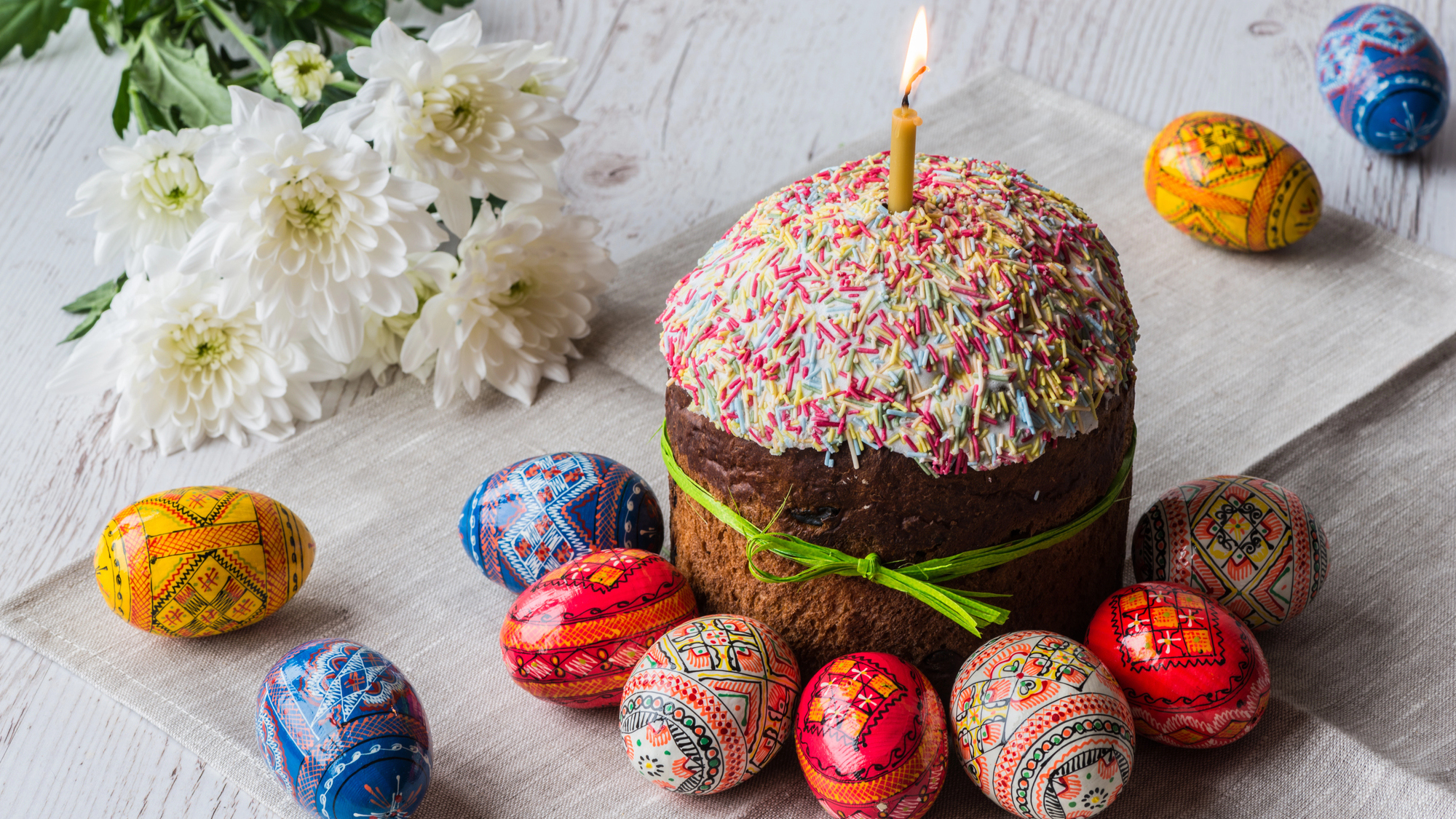
The cost of baking Easter cakes at home this Easter will be 12.2% more expensive than a year ago. The Ukrainian Club of Agricultural Business (UCAB) calculated this "Easter Index": three Easter cakes made according to the traditional recipe — flour, eggs, milk, butter, sugar, yeast, raisins — will cost 357 hryvnias.
This figure seems moderate. But if you break down the recipe by ingredients, the picture is different.
Milk sets records, sugar does not
Eggs have become the media symbol of price increases — a dozen in supermarkets costs 86–87 hryvnias, plus 13–19% year-on-year depending on the retailer. But the main factor in the rise in Easter cake production costs has been milk: according to 1+1, it has increased by 49.6% — more than any other ingredient.
Butter over four years (2022–2026) has risen from 140 to 292 hryvnias per half kilogram. Yeast and raisins added 13–14%. The only exception is sugar, whose price has fallen by 18%: Ukraine remains a major sugar beet producer and this market is holding up for now.
Easter cake as an agroeconomic indicator
UCAB analyst Maksym Hopka explains the logic: Easter cake is a unique product because it simultaneously accumulates prices from several agricultural sectors: grain, dairy, and poultry farming. Therefore, its production costs respond to systemic changes faster than most consumer baskets.
"Easter cake accumulates the cost of key agricultural and processing resources — flour, milk, eggs"
Maksym Hopka, UCAB analyst, for 24 Kanal
According to calculations by the Institute of Agrarian Economics (IAE), a kilogram of homemade Easter cake costs on average 266.9 hryvnias — 15% more than last year. Store-bought baked goods start at 40–42 hryvnias for a small one (100–130 g), but craft versions reach 2,000 hryvnias.
Four years — doubling
If you look not year-on-year, but from 2022, the picture is more telling:
- Easter cake in stores: 134 hrn → 267 hrn (+100%)
- Butter (0.5 kg): 140 hrn → 292 hrn (+109%)
- Soft cheese (0.5 kg): 90 hrn → 157.5 hrn (+75%)
Overall inflation in the first quarter of 2026, according to the State Statistics Service, exceeded 7% on an annual basis. Food products are becoming more expensive faster than this figure — and the dairy group is leading this process.
The basic Easter basket — Easter cake, eggs, salt, horseradish, candle — according to UCAB's calculations will cost almost 500 hryvnias. A full festive table with meat products and cheeses — 1,900–2,000 hryvnias, 14–15% more than a year ago.
If the dairy sector continues growing at its current pace, the "Easter Index" of 2027 may break through the psychological mark of +20% year-on-year for the first time: this dynamic can only be stopped by either stabilizing feed costs in animal husbandry or a substantial expansion of dairy raw material imports.



