Drone interceptions near Shaiba: threat to the global energy sector and impact on fuel prices in Ukraine
Saudi officials say they neutralized drones that were heading toward one of the kingdom’s largest fields. Why this matters for global markets and for the Ukrainian wallet — briefly and to the point.

By Tetiana Suchkova-Ladik
March 7, 2026 · 2 min read
What happened
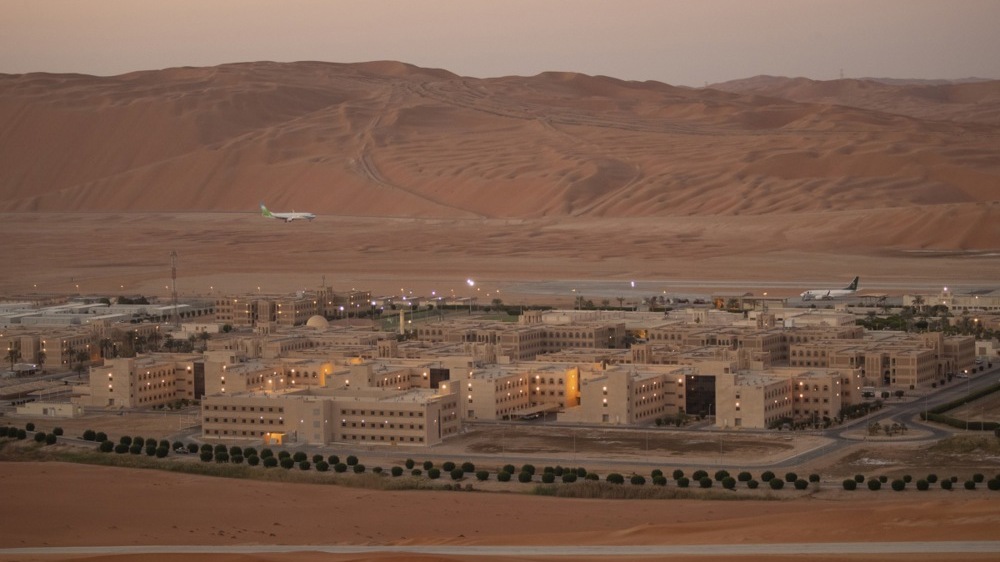
The Saudi Arabian Ministry of Defense reported the interception of drones heading toward the Shaybah oil field. The information was released by Al Jazeera, citing an official statement from the ministry.
"Unmanned aerial vehicles that were heading to the Shaybah oil field have been intercepted."
— Saudi Arabian Ministry of Defense (statement, via Al Jazeera)
According to Bloomberg, the Shaybah field has a capacity of about 1 million barrels per day; facilities for extracting liquefied components of natural gas are located nearby. Such targets are automatically classified as critical infrastructure.
"The Shaybah field can produce about 1 million barrels per day."
— Bloomberg
Context: how this is linked to the escalation in the Middle East
The incident comes amid heightened tensions following US and Israeli strikes on Iran at the end of February 2026 and subsequent Iranian responses at various sites across the region. Because of the security threat, tanker traffic near the Strait of Hormuz has been significantly disrupted, which is already putting pressure on energy supplies and prices.
For example, Saudi Arabia raised the price of Arab Light for Asia by $2.5 per barrel — the largest increase since August 2022. Beyond the direct risk of damage to facilities, the market reacts to uncertainty: even attempted attacks alter logistics and trade flows.
What this means for Ukraine
First, in the short term this adds further upward pressure on global oil prices, which quickly translates into higher fuel costs in Ukraine. Second, increased volatility strengthens the need to diversify supplies and fill reserves.
Energy analysts note that even if there is no direct physical impact on European supplies, the psychological effect and logistical constraints make fuel security an issue of national interest.
What to expect next
- A short-term rise in oil and fuel prices, which will affect the Ukrainian market over the coming weeks.
- Increased monitoring of vulnerable links in the supply chain: repair capacities, tanker insurance, and petroleum product stocks.
- Political pressure on partners to protect sea routes and the insurance of vessels carrying energy resources.
Conclusion
The interception of drones near Shaybah is not just a local event: it is a marker of how the vulnerability of energy infrastructure turns into a factor of global instability. For Ukraine, this means rising risks for fuel prices and heightened logistical challenges. Whether this will accelerate decisions by our partners on guarantees of energy security and additional reserves is the key question for the coming weeks.



