First UAE oil tanker passes through Hormuz after blockade — but this is more of an exception than a signal
# Shalamar vessels 450,000 barrels from Das Island and heads to Karachi. Since the start of the war, only 21 vessels have passed through the strait — instead of over 100 daily before the conflict.

By Oleg Bazylewicz
April 17, 2026 · 2 min read
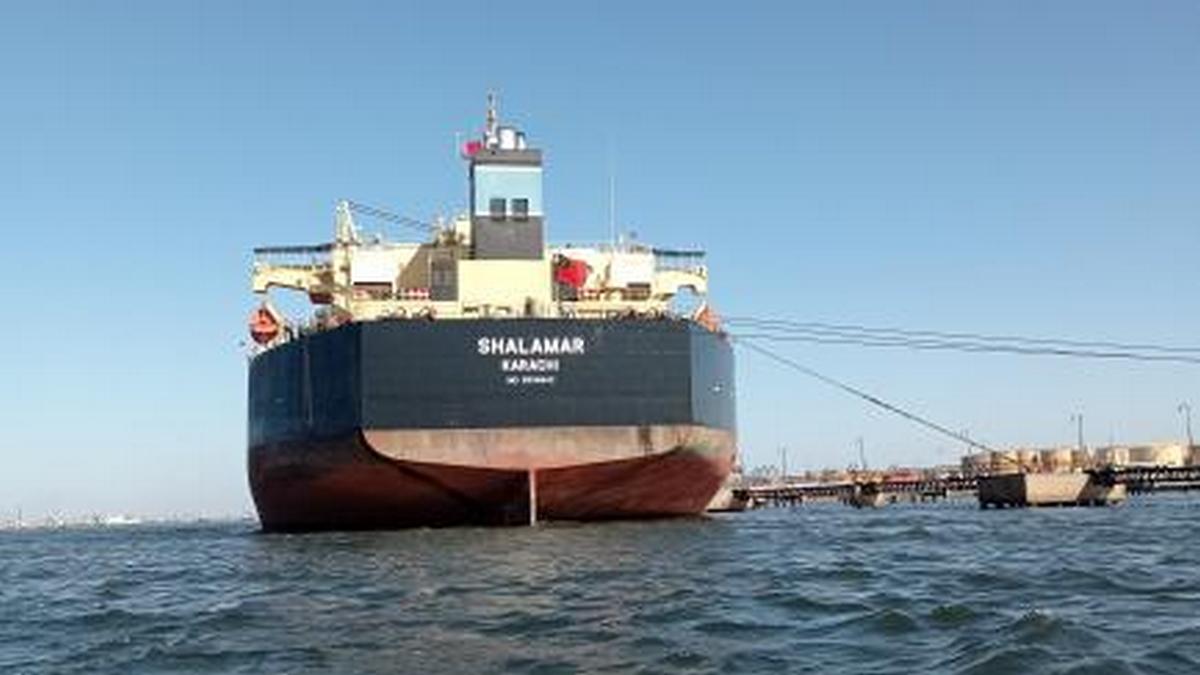
Pakistani tanker Shalamar left the Persian Gulf through the Strait of Hormuz on April 16 with an oil cargo — the first vessel with non-Iranian origin crude to do so since the beginning of the American blockade. According to Bloomberg, it transported approximately 450,000 barrels of crude oil loaded on Das Island in the UAE and set course for Karachi.
But one precedent does not equal an opening of the strait. According to S&P Global Market Intelligence calculations, only 21 vessels passed through Hormuz from February 28, 2026 — compared to over a hundred daily before the start of the American-Israeli operation against Iran. The strait is de facto frozen.
Two Blockades Simultaneously
The paradox of the situation lies in the fact that Hormuz is being blockaded simultaneously by both sides of the conflict, each in their own way. The United States announced that it is only blocking vessels that enter or exit Iranian ports. As CENTCOM clarified, the blockade "does not impede freedom of navigation for vessels transiting Hormuz to or from non-Iranian ports."
Iran, in turn, has effectively halted all commercial traffic — and monetized it. Tehran organized its own shipping channel north of Larac Island (the main one being to the south) and, according to Wikipedia, charged some vessels up to 2 million dollars for passage. Shalamar passed south of Larac — that is, through the main channel, not the Iranian one.
What Is Actually Blocked
Under normal conditions, approximately one-fifth of the world's oil and gas exports pass through the strait. As of mid-April, 187 loaded tankers carrying 172 million barrels of oil and petroleum products were stationed inside the Persian Gulf — according to analytics firm Kpler.
Alternatives partially exist: Saudi Arabia is increasing pumping through a pipeline to Yanbu on the Red Sea, the UAE — through the Abu Dhabi Crude Oil Pipeline to Fujairah. But the combined capacity of these routes is approximately 9 million barrels per day, while up to 20 million pass through Hormuz in peacetime.
Why Insurers Are Holding Back Recovery
"Shipping companies will not begin entering the Persian Gulf through the strait as long as there is a significant risk that the ceasefire is only temporary"
CNN Business, April 10, 2026
Even with a formally open strait, logistics will not resume automatically: empty tankers must return to the Gulf to pick up cargo. And shipowners and insurers will wait for stability, not isolated precedents. The IMO confirmed at least 18 attacks on vessels in the Gulf since the start of the war, including the ramming of a tanker by unmanned vessels on March 11, which claimed one life.
Two other Pakistani tankers — Shalamar and Khairpur — previously attempted to enter the strait but turned back at the last moment when American-Iranian negotiations collapsed on April 12. A few days later, Shalamar made it through anyway — but on the exit, carrying UAE cargo.
If a ceasefire between the United States and Iran is fixed in writing with clear maritime safety guarantees, insurers will likely be the first to signal the route's resumption — by adjusting war risk premiums. Until then, Shalamar remains an isolated precedent, not the beginning of an unblocking.



