PKP Intercity and Ukrzaliznytsia: a three-year, 18 million zloty contract and what it means for Ukraine
A three-year agreement opens Ukrzaliznytsia (UZ) to operations on Polish routes and will bring nearly UAH 215 million — we examine why this exceeds the figure shown on the payment slip.

By Tetiana Suchkova-Ladik
March 26, 2026 · 2 min read
Brief
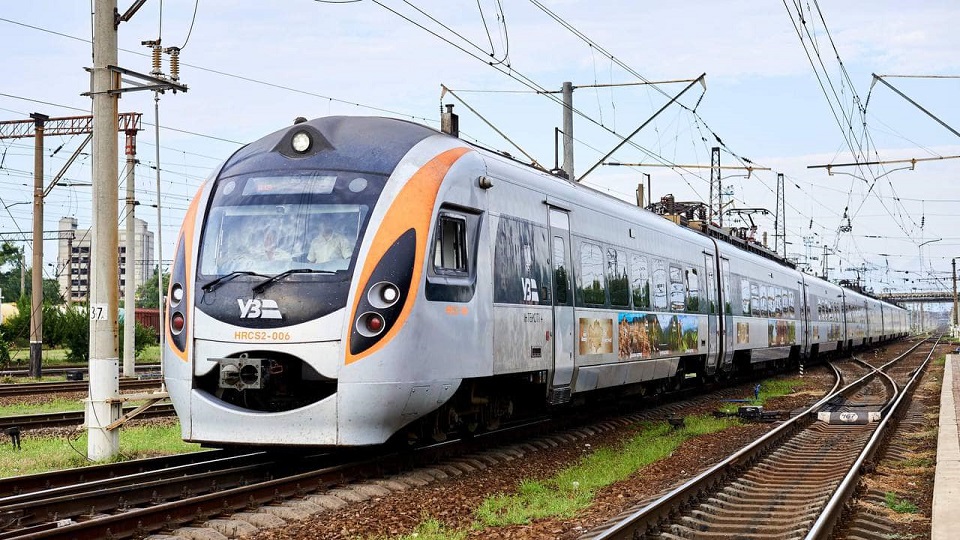
PKP Intercity has signed a three-year agreement with Ukrainian Railways (UZ) under which the Ukrainian company will operate passenger services on Polish territory as part of international connections. The total payments from the Polish partner amount to almost 18 million zlotys (approximately 215 million UAH at the current exchange rate). The contract came into force on 5 March and will run for 36 months.
What was signed
According to the industry publication Rynok Kolejowy, the agreement envisages servicing routes, likely between Warsaw, Przemyśl and Chełm, as well as services between Kyiv and Warsaw. These services will use UZ rolling stock together with Ukrainian conductors.
"For technical reasons, only one operator could provide the services"
— PKP Intercity (comment on the format of the procedure)
Why this matters for Ukraine
Money likes silence, but these figures are worth knowing: even a modest cash flow of 215 million UAH is not just revenue. The contract creates jobs for Ukrainian crews abroad, preserves rolling-stock operation skills under international standards, and raises the visibility of Ukrainian transport in the EU. For the state operator it is also a signal — a foreign partner's trust in UZ's capacity to run international routes.
Terms and questions
The agreement was concluded through negotiations rather than an open tender; PKP Intercity explains this by technical constraints that left only one possible operator. The details of the arrangement are not disclosed "due to commercial confidentiality," which makes a full assessment of the contract's efficiency and fare policy difficult.
Context — infrastructure and potential
In early March, Polish railways received a safety authorization to operate infrastructure up to 250 km/h. This creates a technical platform for faster and more competitive international connections that could amplify the effect of the PKP Intercity–UZ cooperation, if the rolling stock and operational standards meet the requirements.
Summary — what’s next
This contract is an example of practical integration of the Ukrainian and Polish rail markets: the financial impact is modest, but strategically important. Now the key is transparency in implementing the agreement and turning this model into a stable channel for revenue and personnel. Whether this becomes the start of broader cooperation depends on whether the partners can disclose more details and replicate the model on other routes.



