Fee for entering Manhattan reduced air pollution by 22%
After the introduction of a congestion charge for entering central New York, traffic fell by about 11%; PM2.5 in Manhattan declined by 22% in the first six months. Projected net revenue is about $500 million in 2025.

By Oleg Bazylewicz
December 10, 2025 · 1 min read
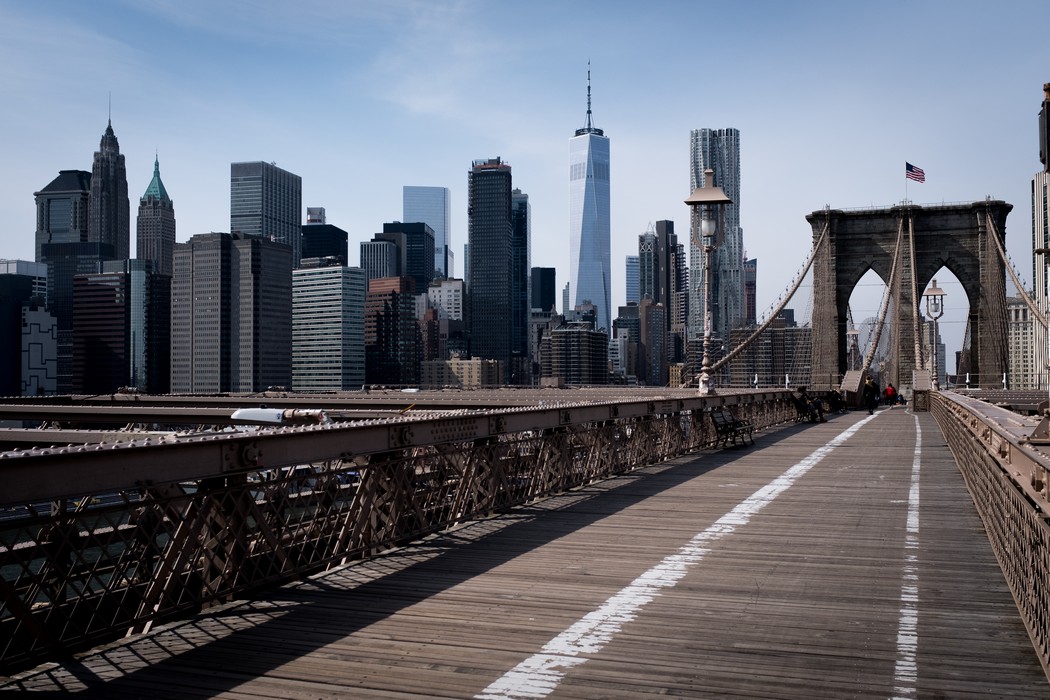
In parts of Manhattan, air pollution levels fell by 22% during the first six months after the introduction of the congestion charge, an analysis by Cornell University shows. The initiative is expected to generate about $500 million in net revenue in 2025.
Passenger cars pay $9 during peak hours to enter the congestion zone, which stretches from 60th Street to lower Manhattan.
The funds collected are planned to be directed toward upgrading the city’s transportation infrastructure, which has been in operation for more than a century.
Measurement results
Researchers conducted observations over 518 days, using data from 42 air quality sensors across New York City. Between January and June the average level of fine particulate matter PM2.5 fell by 3.05 micrograms per cubic meter.
According to calculations, without the charge the average PM2.5 level would have been about 13.8 micrograms per cubic meter, so a reduction of 3.05 micrograms per cubic meter corresponds to roughly a 22% lower level.
Our overall conclusion is that charging for driving in New York, as in many other cities around the world that have implemented it, helped not only to improve traffic flow but also to reduce concentrations of air pollutants, improve air quality, and should be beneficial for public health.
– Oliver Gao, Director of the Center for Transportation, Environment and Public Health, Cornell University
Effect outside the congestion zone
Improvements were also noticed in areas outside the congestion zone: in five city districts the average reduction in PM2.5 was 1.07 micrograms per cubic meter.
In the wider New York region — from Long Island and the northern suburbs to the adjacent counties of New Jersey — a decrease of approximately 0.70 micrograms per cubic meter was recorded.
- The introduction of the charge reduced vehicle flow by approximately 11% and, according to forecasts, is expected to bring in about $500 million in net revenue in 2025.



