Valentino Garavani dies — how the "last emperor of fashion" leaves a legacy and a challenge for the luxury market
Italian couturier and founder of the House of Valentino died at 93. His aesthetic was not just about dresses — it was part of cultural soft power and the economic landscape of fashion.

By Tetiana Suchkova-Ladik
January 19, 2026 · 2 min read
What happened
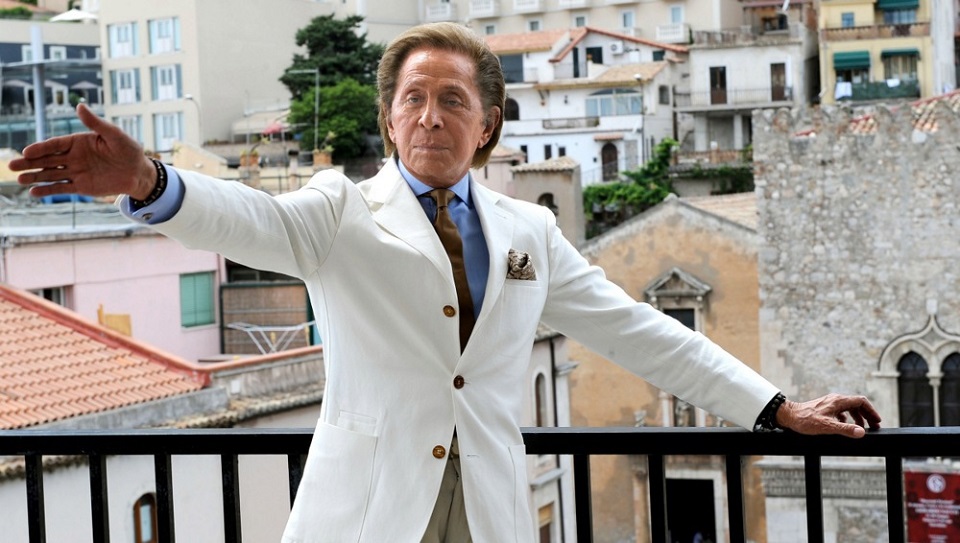
Italian designer and co-founder of the fashion house Valentino, Valentino Garavani, has died at the age of 93. This was reported on Monday, January 19, by the Italian news agency ANSA. The cause of death has not been specified; according to the report, he passed away at his home in Rome surrounded by loved ones.
"Valentino is the unquestioned master of style and elegance, an eternal symbol of Italian haute couture. Today Italy loses a legend, but his legacy will continue to inspire generations. Thank you for everything."
— Giorgia Meloni, Italy's Prime Minister
"We have lost an icon of Made in Italy, who made our country a global paragon of excellence."
— Antonio Tajani, Deputy Prime Minister and Minister of Foreign Affairs of Italy
Legacy: more than fashion
In 1960 Garavani, together with Giancarlo Giammetti, founded the Valentino House, which quickly gained an international reputation for the refinement of its cuts and its ability to shape public images. Among his most famous works are Jacqueline Kennedy's wedding dress for her marriage to Aristotle Onassis, garments for Iranian Empress Farah Pahlavi during her 1979 departure, and a dress for the First Lady of France in 1995.
He was called the "Last Emperor of Fashion" — a sobriquet cemented in the documentary The Last Emperor (2008) by director Matt Tyrnauer, which focuses on the end of his career and the passing of the aesthetic mantle. Garavani remained artistic director of the House until 2007, even after several ownership changes: the sale to the HdP group in 1998 and the subsequent transfer to Marzotto in 2002.
Economic and cultural context
Valentino's profit drop of 22% in 2024 is not just a statistic: it is a symptom of a broader slowdown in demand for the luxury segment. For the reader, this means that style icons today must compete not only on aesthetics but also on market strategies, innovations in digitalization, and brand reputation.
Culturally, a figure like Garavani functions as soft power: his designs entered the public sphere of world leaders and stars, shaping perceptions of Italian style. This is a lesson for the Ukrainian creative industry as well — cultural products can become simultaneously symbols and economic assets if supported by a consistent strategy.
What’s next
Valentino now faces the task of preserving Garavani's creative legacy while adapting to market challenges. Whether the brand's owners will act as guarantors of its historical identity, or whether transformation into a corporate project will undermine the couturier's persona — this will determine how international fashion retains elements of classical elegance in the 21st century.
For Ukraine, Garavani's example is a reminder: cultural symbols carry weight and economic value. The question is whether we can craft our own global stories that will serve the image and development of the creative economy sectors.



