Over UAH 1 billion and more than 1,000 jobs — Cabinet registers industrial parks in Kyiv and Lviv oblasts
Two new locations — "Fursy" (Kyiv region) and "City of Action" (Lviv region) — are expected to attract approximately UAH 1.18 billion and create around 1,050 jobs. We examine what this means for the regions, GDP and investment confidence during wartime.

By Tetiana Suchkova-Ladik
December 27, 2025 · 2 min read
What was approved and why it matters
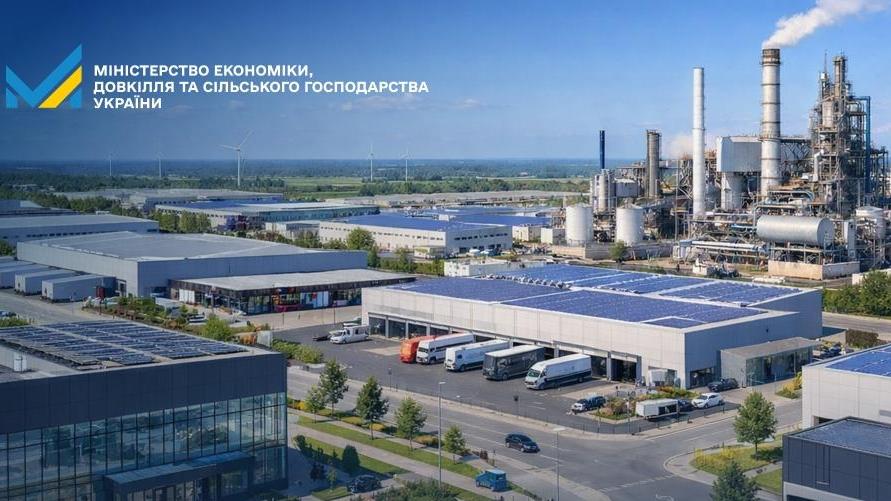
The Cabinet of Ministers has registered two new industrial parks — «Fursy» in Kyiv region and «City of Action» in Drohobych (Lviv region). According to the press service of the Ministry of Economy, the total planned capital investment exceeds UAH 1.18 billion, and the expected increase in jobs is about 1,050. For the reader, this means not abstract numbers but new jobs and a strengthening of local industry — factors that affect family incomes and the resilience of regional economies.
Project details
The industrial park «Fursy» — 11.0215 ha in the Fursy community of Bila Tserkva Raion. The initiator is LLC "INDUSTRIAL PARK 'FURSY'", which plans to attract almost UAH 992 million. The announced approximate number of jobs is about 500. Sector focus: metal products, electrical equipment, mechanical engineering, the food industry, IT and telecom.
The industrial park «City of Action» in Drohobych — 21.61 ha, with planned investments of around UAH 188.7 million and approximately 550 jobs. The initiator foresees own financing of over UAH 130.8 million in 2025–2028; additional resources are expected from park participants, including through tax incentives.
Economic impact and context
The Ministry of Economy views industrial parks as a tool for restoring production and growing GDP. According to international practice, 1 ha of an industrial park can generate $7–10 million in annual turnover — a benchmark that shows the potential for export-oriented manufacturing. Ukraine currently has 118 industrial parks registered, and in 2024 the state allocated UAH 1.13 billion to develop 15 such sites.
However, it is important to understand the realities: declared investments and jobs do not materialize automatically. Key success factors are infrastructure connections, readiness of local authorities, attractiveness to private investors, and stability of the tax and legal regime.
"Industrial parks will become a driving force for Ukraine's GDP."
— Ministry of Economy of Ukraine
What people and regions will gain
At the community level, this means jobs in adjacent sectors (logistics, services, construction), increased tax revenues in the long term, and an opportunity for local businesses to integrate into larger production chains. For the country as a whole — a gradual reduction in dependence on imports of certain goods and strengthening of the industrial base, important during the war and for post-war reconstruction.
Conclusion
These decisions are not an instant revival but a step toward economic resilience: over UAH 1 billion in investments and more than 1,000 jobs provide a concrete impulse for Kyiv and Lviv regions. What follows will depend on implementation: will the announced figures turn into signed contracts, infrastructure work, and real jobs? The answer to that question over the coming years will determine how much these parks become a locomotive of recovery.



