Diesel supplies from Hungary and Slovakia halted: 'Druzhba' as a lever of energy pressure
Hungary and Slovakia have suspended diesel exports to Ukraine, directly tying the move to the halt of transit through the Druzhba pipeline. Why this matters for fuel security and diplomacy — a concise analysis.

By Tetiana Suchkova-Ladik
February 18, 2026 · 2 min read
What happened
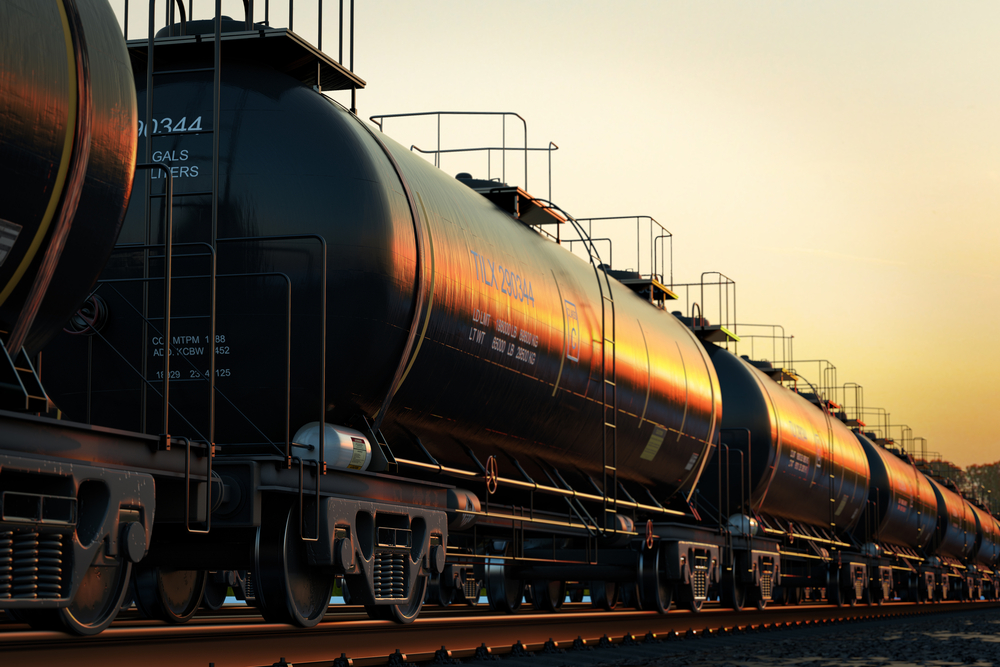
On 18 February the governments of Hungary and Slovakia announced they had stopped deliveries of diesel fuel to Ukraine. The official explanation — the restoration of Russian oil transit via the "Druzhba" pipeline must be a prerequisite for restarting fuel exports.
Positions of Budapest and Bratislava
"I want to inform you that deliveries of diesel fuel to Ukraine have been stopped, and deliveries of diesel fuel to Ukraine will not be resumed until the Ukrainians restore the transportation of oil through the 'Druzhba' pipeline toward Hungary"
— Péter Szijjártó, Minister of Foreign Affairs of Hungary
"If our suspicion that this is political blackmail is confirmed, he [Zelensky] will gradually lose our support"
— Robert Fico, Prime Minister of Slovakia (according to Dennik N)
The Slovak side also said that major refiner Slovnaft is redirecting volumes to the domestic market and temporarily halting diesel exports to Ukraine. An official note to Kyiv and a request for explanations about the reasons for the transit suspension have already been sent.
What this means for Ukraine
The short-term risk is localized shortages of certain fuel grades in border regions and pressure on logistics that are already operating in wartime conditions. Medium- and long-term — a demonstrative case of energy infrastructure being used as a diplomatic lever: even small disruptions can raise prices and hamper the mobility of critical infrastructure.
Context and figures
- In 2025 about 9.73 million tonnes of Russian oil were transited via the southern branch of the "Druzhba" — 14% less than in 2024 (11.36 million tonnes).
- The transit contract between Ukrtransnafta and Transneft was signed in 2019 and is in effect until 1 January 2030.
- At the beginning of 2025 the parliament discussed a complete ban on the transit of Russian oil and gas across Ukrainian territory during martial law — a factor that complicates the negotiating position.
Analysis: why this happened and what next
This is not accidental trade in goods, but part of a complex game: the restoration of transit via "Druzhba" gives neighboring countries the technical precondition to refine and export fuel. At the same time, political actors can use such technical issues to increase pressure on Kyiv. Energy market analysts point out that the EU response is a key element: an independent inspection of the pipeline's condition and transparent communication with partners will reduce the space for insinuations.
Practical steps for Ukraine
- provide detailed documented responses to inquiries from Slovakia and Hungary; initiate EU involvement for an independent assessment of the "Druzhba" pipeline;
- accelerate diversification of fuel supplies, use state reserves and logistical routes with stable stocks to smooth out disruptions;
- turn the conflict into an argument for speeding up energy resilience — invest in alternative routes and reduce dependence on transit, which can become part of a long-term security strategy.
While politicians exchange ultimatums, what is on the surface are tanker trucks halted with fuel. The question is whether European institutions will turn this situation into a mechanism for investigation and stabilization, or allow it to remain a bargaining tool — the answer will determine not only fuel supplies, but also the broader political support for Ukraine.



