Frontline TPPs Receive Gas Cap: NERC Responds to Mass Cogeneration Shutdown
# Translation: After the cancellation of the PSO in March took hundreds of megawatts of gas generation offline, the regulator introduced a price cap on gas for power plants in nine frontline regions — those that balance the grid where repair crews cannot always reach.

By Tetiana Suchkova-Ladik
May 12, 2026 · 2 min read
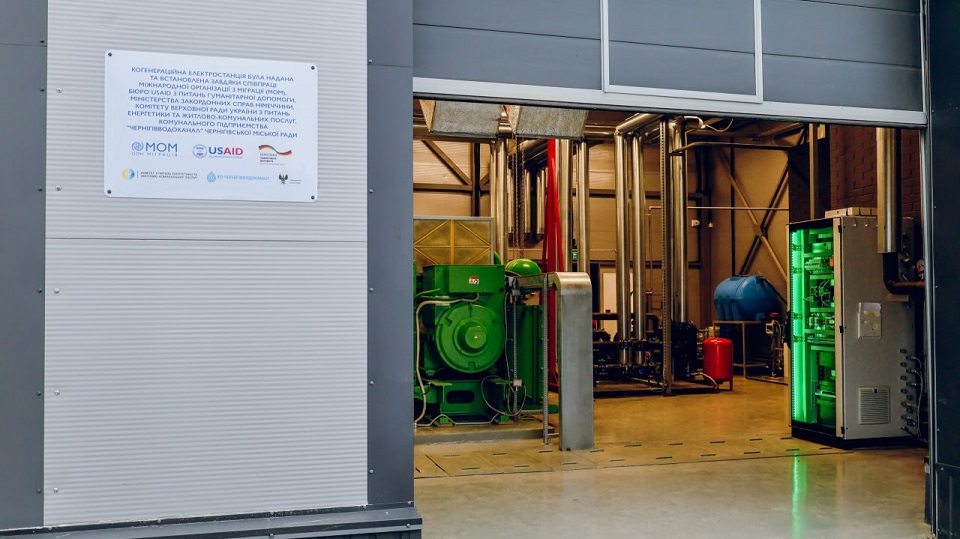
On May 12, the National Commission for State Regulation of Energy and Utilities (NKREKP) set a ceiling price for natural gas for power plants in front-line regions that provide reserve capacity substitution in the power system. The decision was a direct response to a crisis that began six weeks earlier.
What happened in March
On March 30, the government amended Resolution No. 222 on special obligations in the gas market. The preferential price — 19,000 UAH per thousand cubic meters — remained only for two categories: electricity producers in front-line regions and plants that launched cogeneration units for the first time after December 1, 2025. All other heat and power companies across Ukraine lost access to subsidized gas for selling electricity to the grid.
From April 1, most thermal power companies halted cogeneration. According to an assessment by the Association of Critical Infrastructure Operators, hundreds of megawatts of capacity simultaneously left the system. As Espreso reported, only nine regions were exceptions: Chernihiv, Sumy, Kharkiv, Dnipropetrovsk, Donetsk, Zaporizhzhia, Kherson, Mykolaiv, and Odesa.
What did NKREKP decide and why is this not the same as PSO
The new NKREKP resolution is not a return to the old PSO model. The ceiling price applies exclusively to those plants that perform the function of reserve capacity substitution: they maintain voltage in the network when main generation is lost or comes under attack. In front-line regions, this role is critical — main infrastructure is damaged, and restoring it under fire is much more difficult than in other parts of the country.
"The adopted changes are intended to create conditions for attracting additional generating equipment to balance the power system and reduce the risks of capacity deficits, especially in the most vulnerable — front-line — regions."
From the official NKREKP statement
Ukrenergo previously supported the abolition of PSO for gas generation in general: according to a company representative, subsidized gas encouraged thermal power plants to operate during surplus hours, when the system was already limiting solar generation. But the situation in front-line regions is a separate case: there, generation is needed not for profit, but for the physical resilience of the local network.
Context: cogeneration record amid regulatory fluctuations
According to the results of 2025, the State Energy Efficiency reported 71 qualified cogeneration units — 40% more than in 2024. The total electrical capacity of qualified cogeneration units reached 3.1 GW. The regulatory changes in March and May demonstrate the reverse side of this boom: rapid growth of distributed generation collided with equally rapid changes in subsidy conditions.
- Preferential gas (19,000 UAH/thousand m³) remains only for front-line regions and new cogeneration units commissioned after December 2025.
- Other heat and power companies must purchase gas at market prices — the mechanism for this transition does not yet exist.
- Reserve capacity substitution in front-line regions now receives a separate pricing regime from NKREKP.
The question is not whether the regulator's decision is justified — the logic is clear. The question is whether a similar mechanism will appear for heat and power companies in other regions before next winter when electricity demand again exceeds available capacity.



