Fifth attempt to sell Odesa Refinery: four NDAs — not yet four buyers
The State Property Fund plans to hold another auction in summer 2026 to privatize the Odesa Port Plant. Four investors have signed non-disclosure agreements — but none have yet registered for the bidding.

By Tetiana Suchkova-Ladik
April 17, 2026 · 3 min read
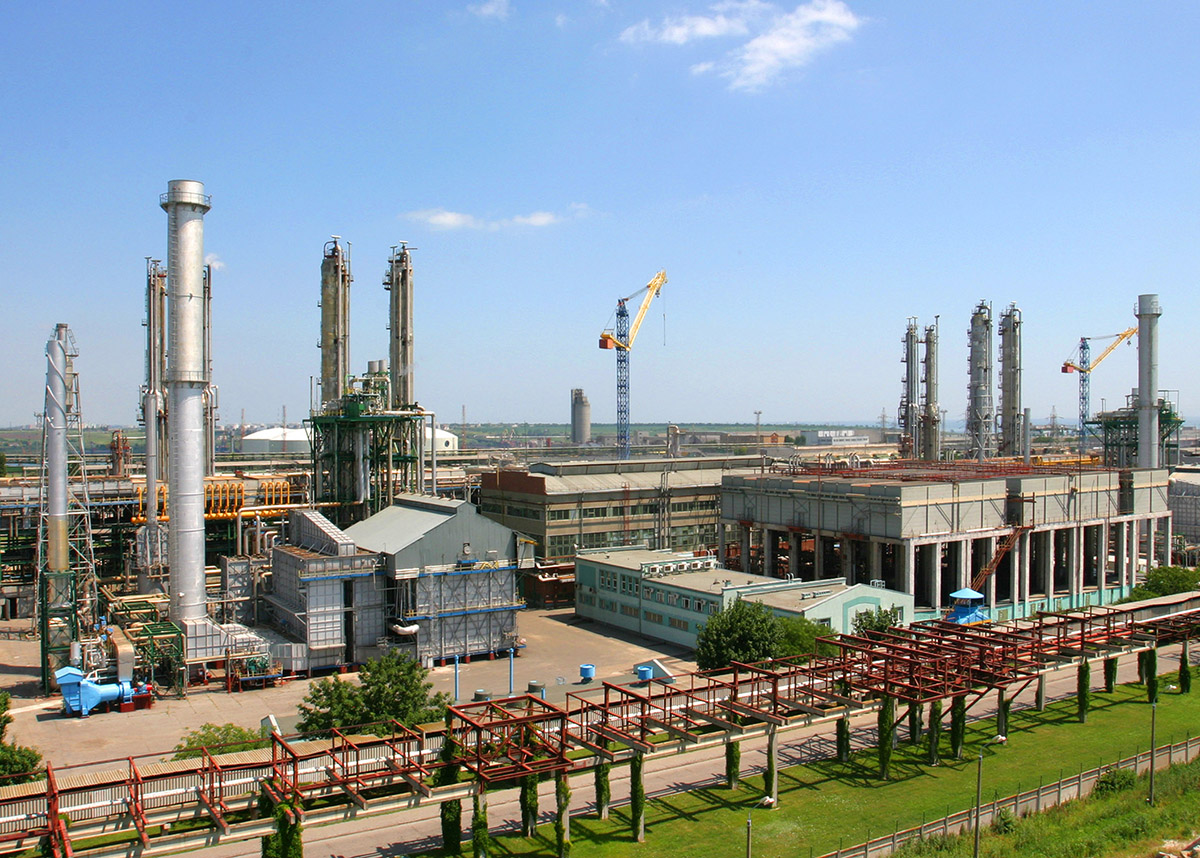
The Odesa Port Plant (OPZ) is returning to the market. Dmytro Natalukha, head of the State Property Fund, confirmed in an interview with the New York Times that another auction is planned for summer, and four investors — three Western and one from the Middle East — have already signed non-disclosure agreements (NDAs) to study the asset from the inside.
This is already the fifth attempt to sell the plant. The previous auction, scheduled for November 25, 2025, with a starting price of 4.49 billion hrn, failed due to the absence of any registered participants.
What is actually being sold
OPZ is Ukraine's largest state chemical company, specializing in the production of ammonia, urea, and liquid nitrogen. The plant halted production in September 2021 due to high gas prices. Since then, the enterprise has effectively performed one function — transshipment of grain and ammonia through its own port infrastructure.
Physically, this is a large-scale asset: 45 real estate objects with a total area of over 285 thousand m², 32 land plots covering over 262 hectares, its own railway tracks, and direct access to the ammonia pipeline. As of mid-2025, 1,436 people worked there.
«To be frank, this is a complex asset. But it also has great opportunities».
Dmytro Natalukha, head of the State Property Fund, in a comment to NYT
What this really costs the buyer
The starting price is just the beginning of the calculation. Mandatory investment obligations for the future owner include:
- preservation of the plant's core activities;
- investments in modernization — at least 500 million hrn;
- repayment within 12 months of wage debts and obligations to the budget — over 366.8 million hrn (as of end of June 2025);
- gradual repayment of overdue accounts payable (excluding claims from sanctioned entities related to Russia/Belarus);
- compliance with environmental and social standards.
According to YouControl, OPZ's net loss in 2024 increased by 68% — to 1.84 billion hrn with revenue of 878 million hrn. For comparison: in 2021, when the plant was still operating, revenue was 2.1 billion hrn. So the buyer receives a loss-making asset with a burdensome social load and without any guarantee of production resumption.
Why the previous four attempts failed
The plant has a long and unfortunate privatization history. At different times, Dmytro Firtash and Yuri Kolomoysky's company claimed it — and both times the deal fell through. According to Natalukha, the main deterrent for international investors remains military risks — the plant is located in Odesa region. In August 2024, authorities attempted to partially restart ammonia production but abandoned the idea due to the security situation. September 2025 shelling forced even temporary suspension of grain transshipment.
Deputy Minister of Economy Daria Marchak acknowledged a systemic problem: current legislation has effectively blocked the second and third stages of the sale — with reduced starting prices and reverse auctions. Without changes to the law, finding the "true market value," she said, is impossible.
NDA is interest, not obligation
Signing a non-disclosure agreement gives an investor access to the plant's financial and technical documentation. This is a standard first step in large M&A processes — it does not indicate an intention to buy and certainly does not obligate participation in the auction. Before the November 2025 auction, the market also recorded "interest" from potential buyers — in particular, agricultural holding Kernel publicly confirmed it was considering participation. No participants appeared at the auction.
As Forbes Ukraine reports, Natalukha is counting primarily on foreign strategic investors — those willing to work with high gas prices, complex logistics, and military risks simultaneously. This is a narrow category of buyers even in peacetime.
If none of the four investors register for the summer auction — the Ministry of Economy will have to either persuade parliament to change the pricing mechanism or consider restructuring the plant's debts as a precondition for sale. Without one of these steps, the fifth attempt risks becoming the sixth.



