QatarEnergy declares force majeure: what an LNG shortage means for Europe and Ukraine
QatarEnergy informed its counterparties of force majeure after a series of strikes on its plants — this is no longer a local problem for Qatar, but a factor that is shifting the balance of the energy market and directly affects Ukraine's costs and security.

By Tetiana Suchkova-Ladik
March 24, 2026 · 2 min read
What happened
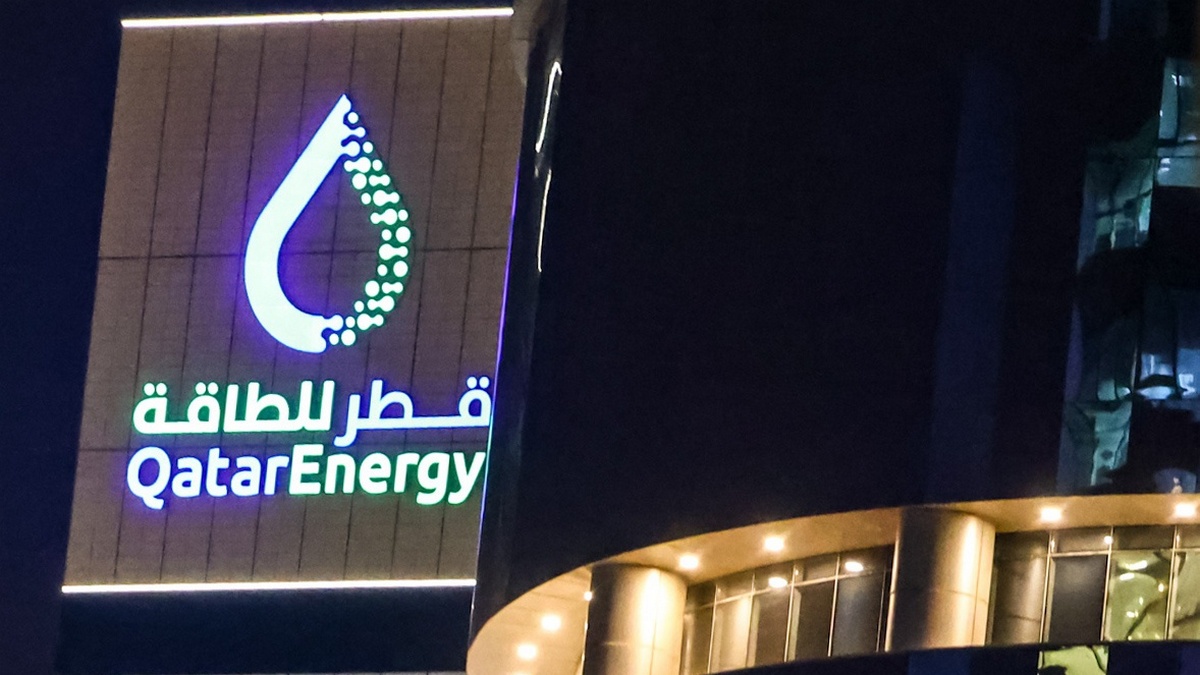
The world’s largest liquefied natural gas supplier — QatarEnergy — has officially notified counterparties of a force majeure on a number of long‑term contracts, Reuters reports. The affected customers are in Italy, Belgium, China and South Korea.
"As a result of the strikes we have lost about 17% of our liquefaction capacity; losses are estimated at roughly $20 billion, and recovery will take from 3 to 5 years."
— Saad al‑Kaabi, CEO of QatarEnergy (according to Reuters)
The company estimates annual production volumes will fall by 12.8 million tonnes. Initial damage was recorded on 2 March, with subsequent attacks on 18–19 March.
Why this matters for the market
The LNG market is already reacting: a supply shortfall is putting upward pressure on prices and forcing importers to seek alternative supplies. Asian countries (China, India, Taiwan, South Korea) are the main buyers of Qatari gas, but the shock to Qatar will be felt by suppliers and consumers worldwide.
Key effect: lower supply = higher prices + increased volatility. This creates additional risk for the energy budgets of states and businesses in Europe, especially during periods of elevated demand.
What this means for Ukraine
Direct supplies of Qatari LNG to Ukraine are limited, but global market mechanisms make us sensitive to such shocks. Rising global gas prices have two practical consequences for Ukraine:
- higher costs for importing energy carriers and for supporting energy infrastructure during the war;
- increased inflationary pressure on the state budget and households — more spending on subsidies and logistics.
At the same time, analysts note that the supply crisis is pushing Europe to seek diversification and reserves. That implies both risks and opportunities for Ukraine — from strengthened energy cooperation to increased demand for defense solutions if escalation in the Middle East affects partners' geopolitical priorities (see LIGA.net pieces on scenarios of how a Middle East war could impact Ukraine’s interests).
What to do next
In the short term — focus on hedging risks: the government and private importers should speed up signing alternative contracts and bolster inventories. In the medium and long term — accelerate diversification of energy sources, and invest in storage and energy efficiency.
Conclusion
QatarEnergy’s announcement is not a local story: it is a structural shock to the LNG market that raises the price of uncertainty. It is important for Ukraine to turn risks into concrete steps — from energy diplomacy to domestic reforms that reduce dependence and increase the economy’s resilience during the war. Whether our partners and state institutions are ready to act at that pace is the key question for the coming months.



