Ukraine's parliament failed to ratify €134 million from the EIB — bridge repair and key roads at risk
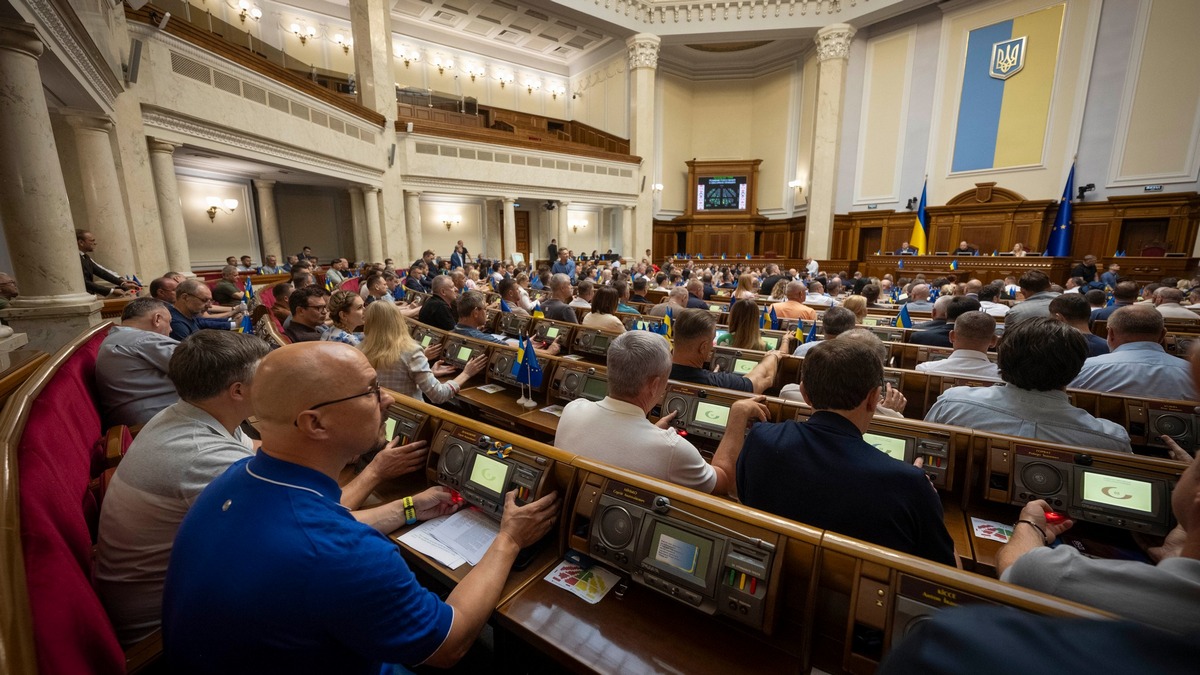
The law received 225 votes — one vote short. This is not a minor matter: the funds were supposed to go to restoring the bridge over the Dniester and repairing roads important for logistics and security.

By Tetiana Suchkova-Ladik
February 26, 2026 · 2 min read
What happened
On Thursday, 26 February, the Verkhovna Rada failed to ratify the agreement between Ukraine and the European Investment Bank for €134 million to repair roads — 225 members of parliament voted for the bill, while at least 226 were required for it to pass. This is the first tranche from a €230 million package signed during the Ukraine Recovery Conference (URC2025) in Rome on 10 July 2025.
What the money was supposed to be spent on
The funds were allocated to several key projects: restoration of the bridge over the Dniester in the area of the village of Mayaky (Odesa region), which was damaged in a missile‑drone attack in December 2025, major repairs of sections of highway M‑06 (Kyiv–Chop) within Lviv region, repair of route M‑11 (Lviv–Shehyni) and improvements to border infrastructure. The postponement of ratification delays the start of works and the preparation of tenders.
"This is the first tranche of €230 million for Trans‑European Network roads"
— Aliona Shkrum, First Deputy Minister for Development of Communities and Territories
Why it matters
Restoring infrastructure is not just a matter of convenience for drivers. It is a matter of logistics for business, supply corridors for the military, and the speed of rebuilding regions hit by attacks. A delay in funding means risks to recovery timelines, higher project costs and a weakening of Western financiers' trust in Kyiv's decision‑making speed.
Consequences and possible scenarios
The most likely next steps are a re‑vote or re‑submission of the bill taking political agreements into account. This issue is overseen not only by the government's infrastructure bloc but also by diplomatic relations with partners who have already agreed the assistance package. If a decision is not taken quickly, some projects may be postponed, tenders delayed, and the cost of works will rise.
Brief summary
Gaps in parliamentary discipline cost more than they appear at first glance: one vote in the chamber is potentially delayed bridges, slower logistics and additional costs for taxpayers. It is now up to the deputies and the government: can they quickly correct the mistake and confirm commitments to international partners?



