Parliament to consider Telegram: how bill No. 11115 will change platforms' liability and security
The committee unanimously endorsed a document that does not ban messaging apps but gives the state tools to combat disinformation, recruitment and sabotage — we break down what is being proposed and why it matters.

By Tetiana Suchkova-Ladik
March 25, 2026 · 3 min read
Setting emotions aside and analyzing the facts
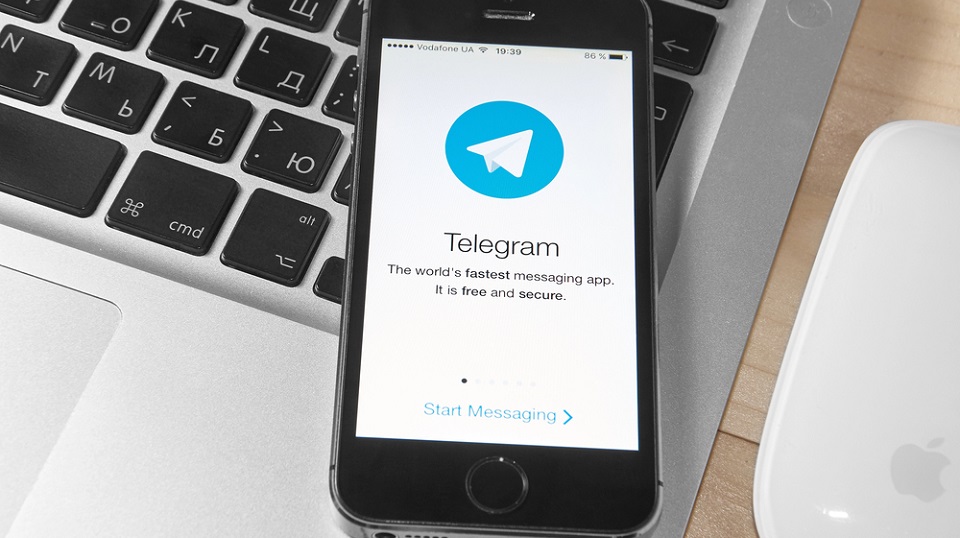
The relevant parliamentary committee unanimously supported in first reading bill No. 11115, which regulates the activity of Telegram and other digital platforms. The author of the initiative is Member of Parliament Mykola Kniazhytskyi. This decision is noteworthy: it is not about total bans, but about state tools in the conditions of hybrid war.
What it is about
The document does not provide for blocking messengers or automatic censorship and does not put users' anonymity at risk. Instead, the law establishes basic obligations for platforms: transparency of owners and funding, official contacts with Ukrainian state bodies, and rapid response in situations related to terrorism, fraud, or threats to national security.
Why this is needed now
Telegram has a large influence on Ukraine's information space: according to Ipsos, about 62% of Ukrainians turn to it as a source of news, and other estimates reach 80%. By comparison — in EU countries this figure typically ranges from 5–30%. In such conditions, the lack of basic rules undermines the state's ability to counter recruitment, coordination of sabotage and the mass spread of fakes.
What the bill proposes
Key provisions of the document:
- Disclosure of information about platform owners and sources of funding;
- Official contact between services and Ukrainian state authorities for operational interaction;
- Rapid response in cases of terror, fraud or threats to national security;
- Sanctions for non-compliance — from financial penalties to restrictions on the use of platforms by state institutions and banks.
"The Ukrainian state must have tools to protect its citizens. This is the first, I would say, a very soft step. If necessary — before the second reading the law can be strengthened"
— Mykola Kniazhytskyi, author of the bill
Context and social confirmations
The initiative appeared against the backdrop of statements by officials. On 23 February 2026 Minister of Internal Affairs Ihor Klymenko spoke in favor of regulating Telegram after a series of attacks against law enforcement, although later the ministry's press service noted that fully blocking the app is technically impossible. Earlier, the current head of the Office of the President Kyrylo Budanov also called for control over channels, proposing registration rather than a total ban. During a meeting of the parliamentary TSK on 10 March, the revenues of the largest Telegram channels were estimated at roughly $20,000 per day — a factor that adds an economic dimension to the problem.
Limits and guarantees — where there should be no risk
The bill emphasizes that the goal is not censorship. After consultations there is principled support for the approach from the European Commission, taking into account the wartime conditions in Ukraine. This is an important marker: regulation must meet European standards of freedom of speech while simultaneously protecting national security.
Consequences and scenarios
If parliament approves the document in the first reading, several paths are possible: from a moderate introduction of transparency and official contacts to tightening of sanction mechanisms in subsequent readings. The risk of over-regulation exists, but for now the text is aimed at a balance between security and freedom.
Conclusion
Bill No. 11115 is an example of how the state is trying to adapt tools for managing the information space during wartime. Now the ball is in the court of parliament and international partners: declarations must turn into clear mechanisms that will work for citizens' security without undermining democratic standards.
Details: survey — Ipsos; journalistic research on messenger choice — Anastasiia Mohylevets, LIGA.net; data on channel revenues — materials of the TSK.



