Missile strike on logistics: three ballistic missiles hit the 'Kuriyar' distribution center near Kyiv
The March 14 attack destroyed a new logistics center opened in February; it is a direct blow to the supply of chicken to Kyiv and the central regions — we examine what to expect next.

By Tetiana Suchkova-Ladik
March 17, 2026 · 2 min read
What happened
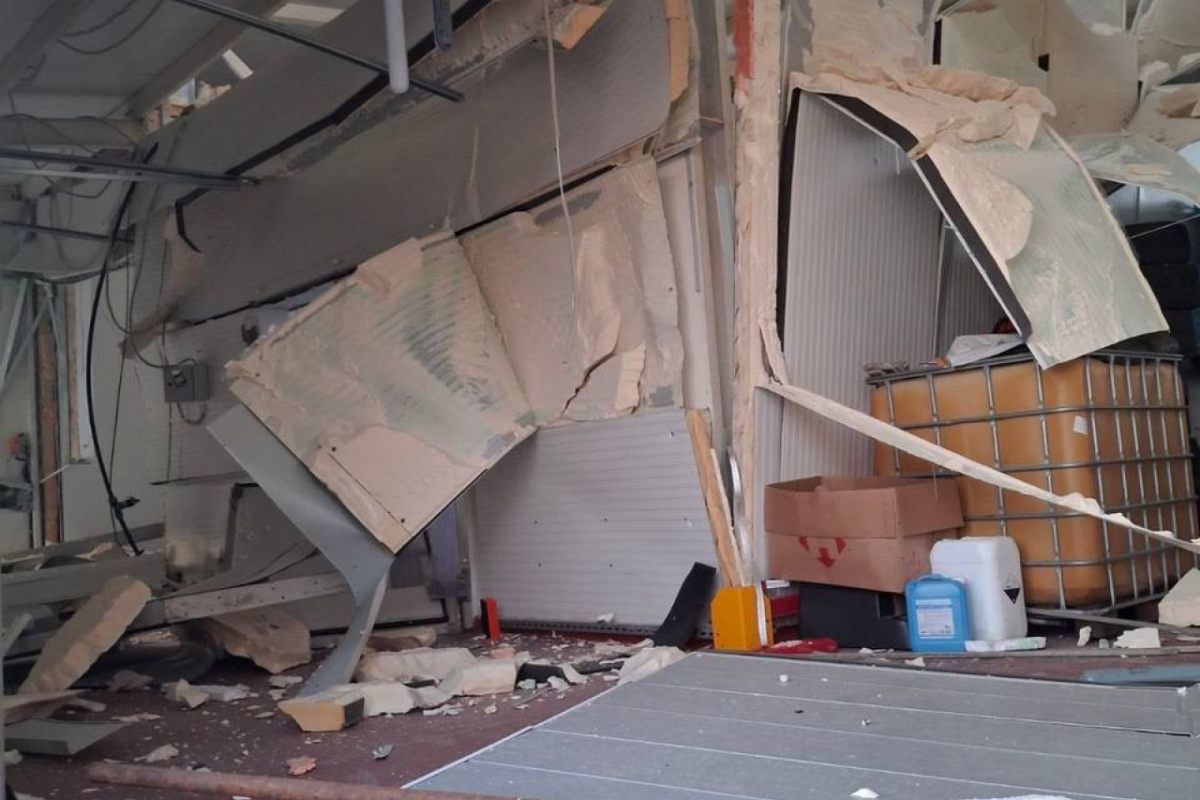
On the night of March 14, during a missile attack on Kyiv and the region, three ballistic missiles struck a branch of TM "Kuriyar" near the capital. According to the company's website, the strike destroyed the distribution center: warehouse premises covering 360 m², loading ramps and staff areas were damaged, and transport was partially affected.
"Fortunately, there were no casualties or injured among the company's personnel. Currently, company employees are working promptly at the site and are clearing the rubble."
— TM "Kuriyar", press service
Consequences for supplies and the market
The distribution center supplied poultry to Kyiv and the central regions. Its loss is not only the destruction of property but also a temporary deterioration of logistics: delivery delays, additional costs for rerouting goods, and the risk of local shortages or price increases. For consumers, this means the market will adapt through inventories, alternative routes and temporary carriers.
Context: investments and recovery
The "Kuriyar" logistics center was ceremonially opened on February 23 — less than a month before the attack. On February 17 the company secured 1 billion UAH in financing from PUMB bank for logistics modernization, automation and deep processing of products. Now investments and modernization plans face the threat of delays, underscoring that agri-sector infrastructure is an easy target in the conflict with economic consequences.
At the same time, on the night of March 14 the warehouses of the "Restorany Husovskykh" group outside Kyiv were also destroyed, indicating a pattern of strikes against food-sector logistics in the region.
What this means and what to do next
Damage to infrastructure forces rapid work on several fronts: restoring damaged sites, rerouting supply chains, providing insurance and financial mechanisms for businesses, and ensuring government coordination to avoid an impact on the public's access to food. The logistics community and companies are already activating alternative networks — this demonstrates the market's operational resilience, but the question of recovery and protection of investments remains open.
Whether existing stocks and backup routes will be enough to avoid shortages and curb price rises depends on the speed of infrastructure recovery and partners' readiness to convert financial pledges into concrete actions. This is a test for the entire supply chain: from producer to supermarket.



