Missile strike on Ras Laffan: how hitting the largest LNG complex threatens energy security and raises risks for Ukraine
Iran struck Qatar's energy infrastructure — the response of global actors is already affecting gas and fuel prices. We explain why this matters specifically for Ukraine and what to expect next.

By Tetiana Suchkova-Ladik
March 19, 2026 · 2 min read
What happened
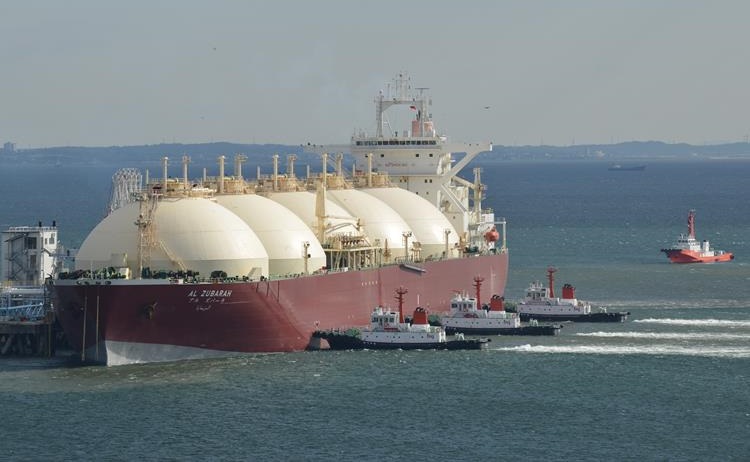
According to Reuters, on the evening of March 18 Iran launched missile strikes against Qatar's energy infrastructure and fired rockets toward Saudi Arabia in response to Israeli strikes on the South Pars field. The strike hit the industrial town of Ras Laffan — a key liquefied natural gas (LNG) production complex, home to the world's largest facility of its kind. Qatari company QatarEnergy reported significant damage, while Saudi Arabia reported intercepting some of the missiles.
"Significant destruction has been recorded in Ras Laffan — the infrastructure has suffered serious damage"
— QatarEnergy, official statement (quoted by Reuters)
The incident caused an immediate rise in global energy prices: markets are reacting to the risk of reduced LNG supplies and the possibility of wider escalation in the Middle East.
Reaction and escalation risks
As Reuters reports, political actors responded with tough statements. Former U.S. President Donald Trump warned Iran of a "full" response if further attacks on Qatari infrastructure continue, citing the possibility of destroying the South Pars field as a deterrent. Such rhetoric increases the likelihood of broad international intervention if the strikes continue.
"If Iran continues the bombardment, the United States ... will completely destroy the entire South Pars gas field with a force and power Iran has never before seen or felt"
— Donald Trump, public statement (quoted by Reuters)
South Pars (in Qatar — the North Dome) is technically the single giant field that is operated jointly by Iran and Qatar. According to official data, in 2025 production at South Pars reached about 730 million cubic meters per day, making any damage there systemically important for the global gas market.
What this means for Ukraine
Short answer: it directly affects your wallet and the country's energy stability. As LIGA.net explained, rising LNG prices and overall market uncertainty push up the cost of fuel and gas in Europe, and therefore Ukraine's import bills. Higher prices increase inflationary pressure and make logistics, heating, and production more expensive.
Beyond the economy, there is also a strategic dimension. Events in the Gulf show that energy infrastructure remains vulnerable to military pressure. For Ukraine this is a reminder of two necessities: diversifying supplies and stockpiling reserves, as well as accelerating the shift to alternative sources and improving energy efficiency.
Conclusion: what to expect next
The risk of new price spikes and short-term instability in the LNG market remains high if the series of strikes continues. Analysts point out that a transition from statements to real military action against a major field could trigger a chain reaction in markets and regional politics. For Ukraine this means: closely monitor prices, adjust budgetary and energy plans, and strengthen diplomatic ties to minimize the risks of import dependence.
Now the question for our partners: will diplomatic signals be turned into concrete steps to guarantee supply stability and ease market tensions, or will geopolitics continue to dictate prices?



