RegioJet wants to extend its route to Uzhhorod — an opportunity for European integration and Zakarpattia's economy
A Czech company proposes extending the Prague–Chop train to Uzhhorod after two years of rising demand (from 75,000 to 105,000). We examine why this matters now and what technical and administrative steps are needed to implement it.

By Tetiana Suchkova-Ladik
March 27, 2026 · 2 min read
Briefly
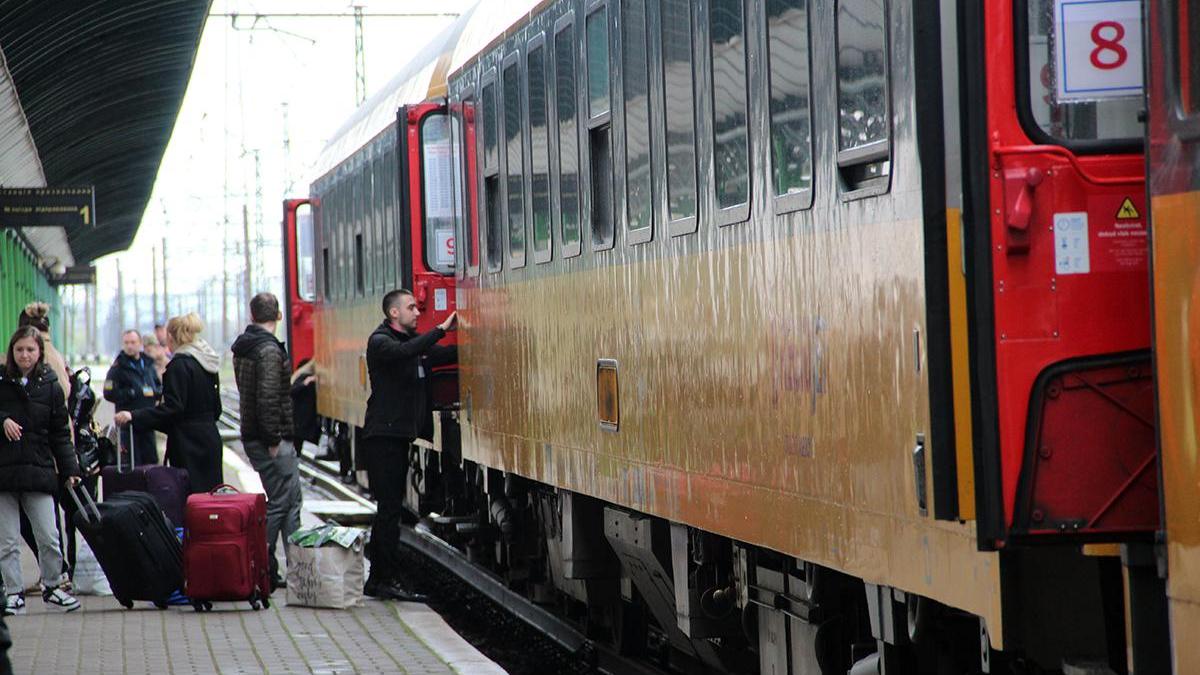
According to LIGA.net, RegioJet plans to extend its regular Prague — Chop service to Uzhhorod. The company notes sustained demand growth: 75,000 passengers in the first year and 105,000 in the second — a +40% increase, totaling about 180,000 people over two seasons.
Why this matters for Ukraine
In 2025 Ukraine laid 22 km of 1435 mm euro-gauge track from Chop to Uzhhorod and began its electrification. This is not just a technical step — it is a direct connection to the EU rail network that simplifies logistics, tourism, and the mobility of labor and educational flows. For Zakarpattia, it is an additional channel of economic activity and a symbol of rapid infrastructural integration with Europe.
Demand and operational decisions
To meet rising demand, RegioJet has already increased capacity: in summer 2025 the number of carriages on the train rose from three to four, and seats — from 200 to 260; the starting ticket price is from €19.6. RegioJet remains the only private passenger carrier currently operating regular international services to Ukraine — a signal to investors and a marker of confidence in our transport market.
Demand for this connection is steadily growing. We will continue to invest in the development of this route and look for new opportunities to further simplify and expand connections with Ukraine.
— Radim Jančura, owner of RegioJet (reporting LIGA.net)
What technical and administrative obstacles remain
Extending the route is not only the carrier's desire. Completed electrification, certification of rolling stock to European standards, coordination of border procedures, and resolution of logistical issues at stations are required. An illustration: the frozen launch of the Kyiv–Berlin service — RegioJet postponed the project due to lack of progress in building the transfer terminal at Mostyska II station.
What’s next — forecasts and imperatives
If the route is extended to Uzhhorod, it will increase cross-border mobility, support tourist and business traffic in Zakarpattia, and give an additional boost to infrastructure investment. But for this to happen declarative intentions must be turned into concrete steps: complete electrification, speed up technical certification, harmonize border procedures, and ensure communication between Ukrainian and Czech operators and regulators.
Question for partners and authorities: will there be sufficient political and technical will to turn this demand into a stable transport line that will serve the region’s economic recovery and European integration?



