Record jump in silver — $78.53 per ounce: what it means for Ukraine
Silver surged 9% to a record high. We examine why this happened and what the practical implications are for Ukraine’s economy, reserves, and industry.

By Tetiana Suchkova-Ladik
December 27, 2025 · 2 min read
In brief
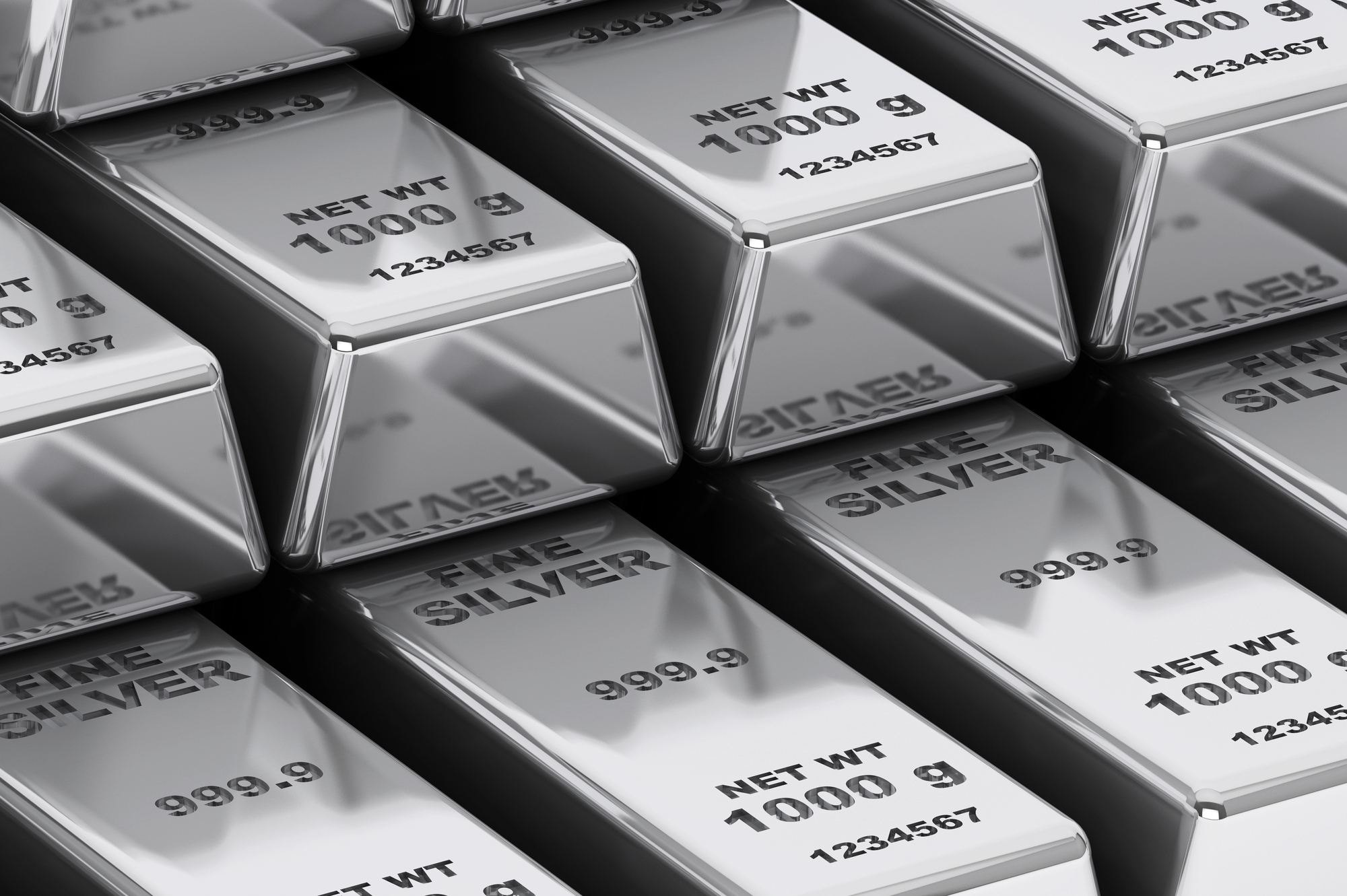
On 26 December the spot price of silver rose by 9% and reached an all-time high — $78.53 per ounce, Reuters reports. At the same time gold jumped to $4,549.71 per ounce, platinum to $2,454.12, and palladium to $1,924.03.
Reasons for the rise
According to Bloomberg, the key drivers are a supply deficit, rising industrial demand, a weakening US dollar and low market liquidity at year-end. Geopolitical risks added extra momentum: a deterioration in relations between the US and Venezuela and other regional escalations are increasing the appeal of precious metals as a safe-haven asset.
"Silver's price rose 9% on 26 December, marking a new all-time high."
— Reuters
What this means for Ukraine
Rising prices for precious metals have several practical consequences. First, for countries with a share of reserves in gold this is a positive signal — the nominal value of reserves increases. Second, higher demand for industrial silver points to strengthening in sectors related to electronics, solar energy and high-tech manufacturing — areas into which Ukraine should attract investment to accelerate recovery and modernize industry.
At the same time, high prices and volatility create risks for the import of technological components and supply chains, which can put upward pressure on production costs and consumer inflation.
Trends and context
This year gold has gained roughly 70%, and silver more than 150%. The market has already shown significant swings: on 14 October silver exceeded $53 per ounce, on 21 October there was a sharp correction due to a stronger dollar and expectations of shifts in US–China trade talks, and on 24 December gold climbed above $4,500. On 26 December silver passed the $75 mark for the first time and continued its rally to $78.53.
"Escalating geopolitical tensions and a weaker dollar are the key year-end drivers for the precious metals market."
— Bloomberg
Conclusion
Record metal prices are more than just numbers for traders. They signal shifts in the global economy and risks that should be taken into account in public financial policy and industrial recovery strategy. It is important for Ukraine to use this signal: strengthen reserves, protect supply chains and stimulate investment in sectors with high demand for industrial metals.



