Record December: 12,400 new cars in Ukraine — what the end of VAT exemptions means
The end of VAT concessions boosted demand in December — we examine whether this was a one-off rush or a sign of recovering purchasing power and renewed investment in automotive infrastructure.

By Tetiana Suchkova-Ladik
January 2, 2026 · 2 min read
Why this matters
In December 2025, 12,400 new passenger cars were sold in Ukraine — the highest monthly figure since March 2014, the Ukravtoprom association reports. This is not just a number: it combines an economic signal about demand and a consequence of government tax policy.
The end of incentives as a demand catalyst
The reason for the surge is obvious: the temporary exemption from VAT on electric vehicles and some new cars ended on January 1, 2026. The consequence was accelerated demand in December: sales rose by 50% compared with November and were 2.2 times higher than December 2024. This is a classic rush-to-buy effect ahead of the end of incentives.
Who benefited from this wave
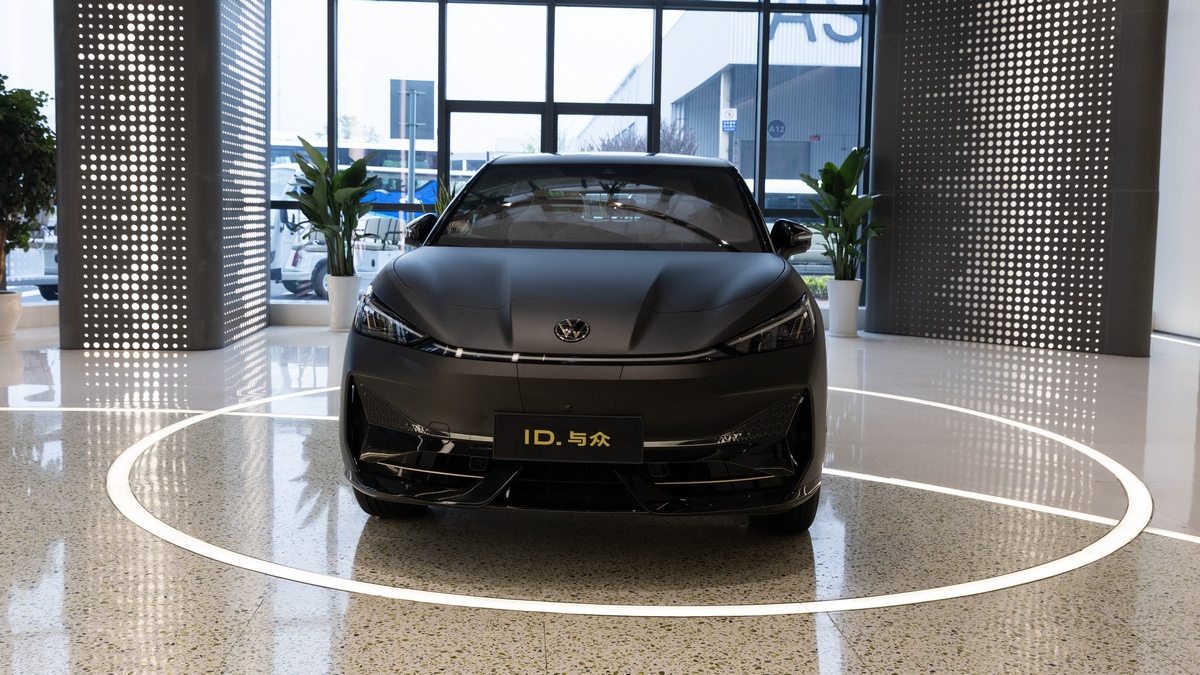
The market leader remained the Chinese brand BYD (3,164 units), followed by Volkswagen (1,298), Toyota (1,117), Skoda (969) and Zeekr (844). The most popular model of the month was the Volkswagen ID.Unyx. For the year as a whole, the new-car market exceeded last year’s result by 17% — 81,300 units in 2025.
"In December 2025 the new-car market showed the largest result since March 2014. This surge is directly linked to the end of incentives and accumulated pent-up demand,"
— Ukravtoprom Association
Economic and social context
This result is important on several levels. First, it indicates that a significant portion of the population has purchasing power and is willing to invest in new vehicles. Second, rising sales support supply chains, auto service and jobs — factors that matter during economic reconstruction.
At the same time, the end of incentives means higher fiscal revenues for the state, but also a potential slowdown in demand in the coming months if there are no mitigating measures: affordable financing, development of charging infrastructure, or new incentives for electric vehicles.
What this means for Ukraine now
The December result is a useful indicator: the market reacts quickly, and policy must respond no less rapidly. Investments in infrastructure, affordable financing programs and support for the domestic service sector can help turn a one-off surge into a sustained trend.
Short outlook
Overall, 2025 closed with growth, but questions remain for the coming months: can the market maintain momentum without incentives, and can the state provide conditions for a further shift to electric vehicles? The answer will affect not only car sales but also jobs and the sector’s investment appeal.
This is a story not only about cars — it is about confidence in the market and economic resilience. Whether there will be enough systemic action for the next step is a question for government, business and citizens alike.



