Reliance returns to Russian oil — what it means for the market, sanctions and Ukraine
An Indian oil giant has again contracted deliveries for February–March. We explain why this is not just a business decision: from the impact on Russia’s revenues to a test of European sanctions and the implications for Ukraine’s energy security.

By Tetiana Suchkova-Ladik
January 22, 2026 · 2 min read
What happened
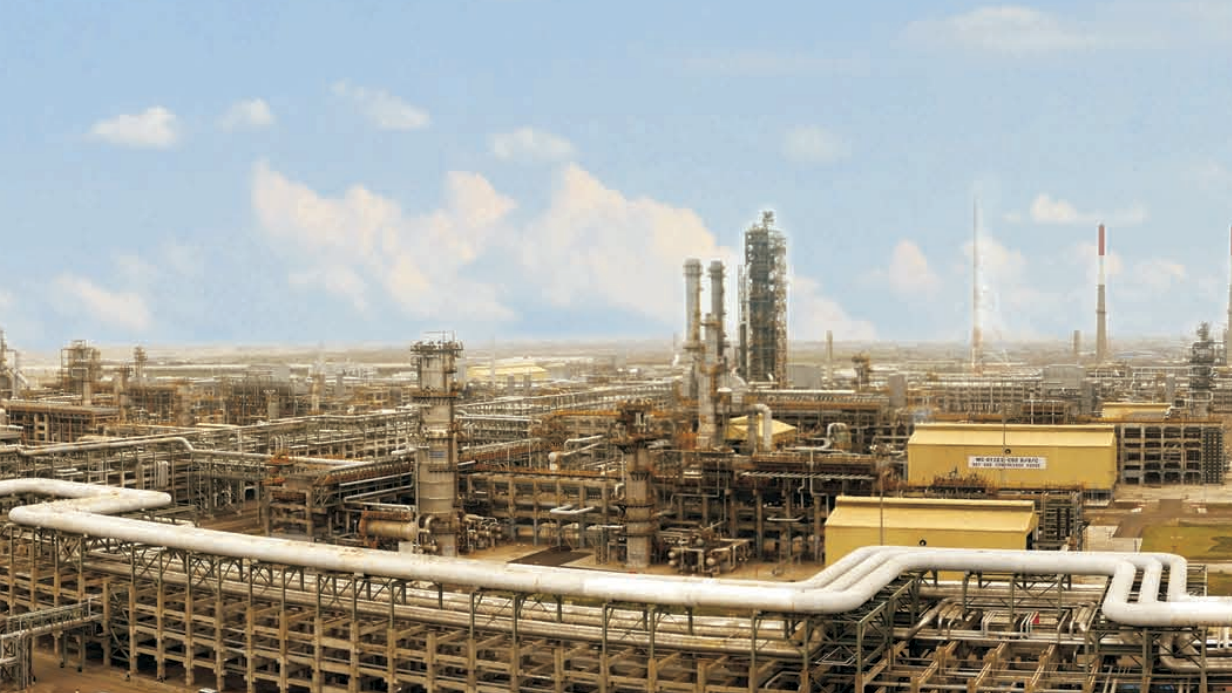
Indian Reliance Industries Ltd, owner of the world’s largest oil refining complex, in February and March again contracted tankers with Russian oil after a month-long pause, Reuters reports citing people familiar with the matter. The last time the company received Russian oil was in December.
Reliance has a long-term agreement with Rosneft for 500,000 barrels a day for the refinery in the state of Gujarat; the total capacity of its complex is 1.4 million barrels a day. The company operates two refineries and, according to its explanations, plans to process Russian crude at the plant aimed at the domestic market, leaving the second one for export.
Why this matters
Reliance’s return has several levels of significance. First, it indicates that demand for cheap Russian oil among large refiners remains. Second, it is a real test for the enforcement mechanisms of the EU sanctions regime.
"From 21 January the EU will not accept fuel produced at refineries that received or processed Russian oil within 60 days prior to the date of shipment."
— European Union, official statement
The "60-day" rule calls into question the export plans of companies that simultaneously handle Russian feedstock on the same infrastructure. That is why Reliance emphasizes the separation of flows between the two plants.
Implications for the market and for Ukraine
In the short term, additional supplies may restrain upward pressure on oil prices. However, the structural impact of sanctions on Russian oil revenues remains: according to preliminary Reuters estimates, Russia’s oil revenues may have fallen by about 46% in January due to lower prices and a stronger ruble.
For Ukraine, the key question is not so much fuel prices as the effectiveness of sanctions and the transparency of supply chains. If opportunities to circumvent restrictions grow, the pressure intended to limit financial flows to the war will be reduced.
"We will process oil from Russia at the facility that is oriented to the domestic market. This will allow us to continue supplying fuel to the EU from the second refinery oriented to export."
— Reliance Industries, press service
Short outlook
The reasons for the return are simple and rational: the economic benefits from the discount on Russian oil and the need for feedstock for large refining capacities. However, what happens next will depend on the strictness of controls by the EU and its partners. Ukraine should focus on two things: pursuing transparent monitoring of supplies and strengthening international coordination of sanctions — because that is what limits the aggressor’s ability to finance the war.



