Reuters: Iran reportedly allowed Indian tankers to transit the Strait of Hormuz — implications for markets and Ukraine
Reuters reported an agreement that could temporarily reduce risks to energy supplies — but there are conflicting statements. We explain why this matters right now and how it will affect fuel prices in Ukraine.

By Tetiana Suchkova-Ladik
March 12, 2026 · 2 min read
What happened
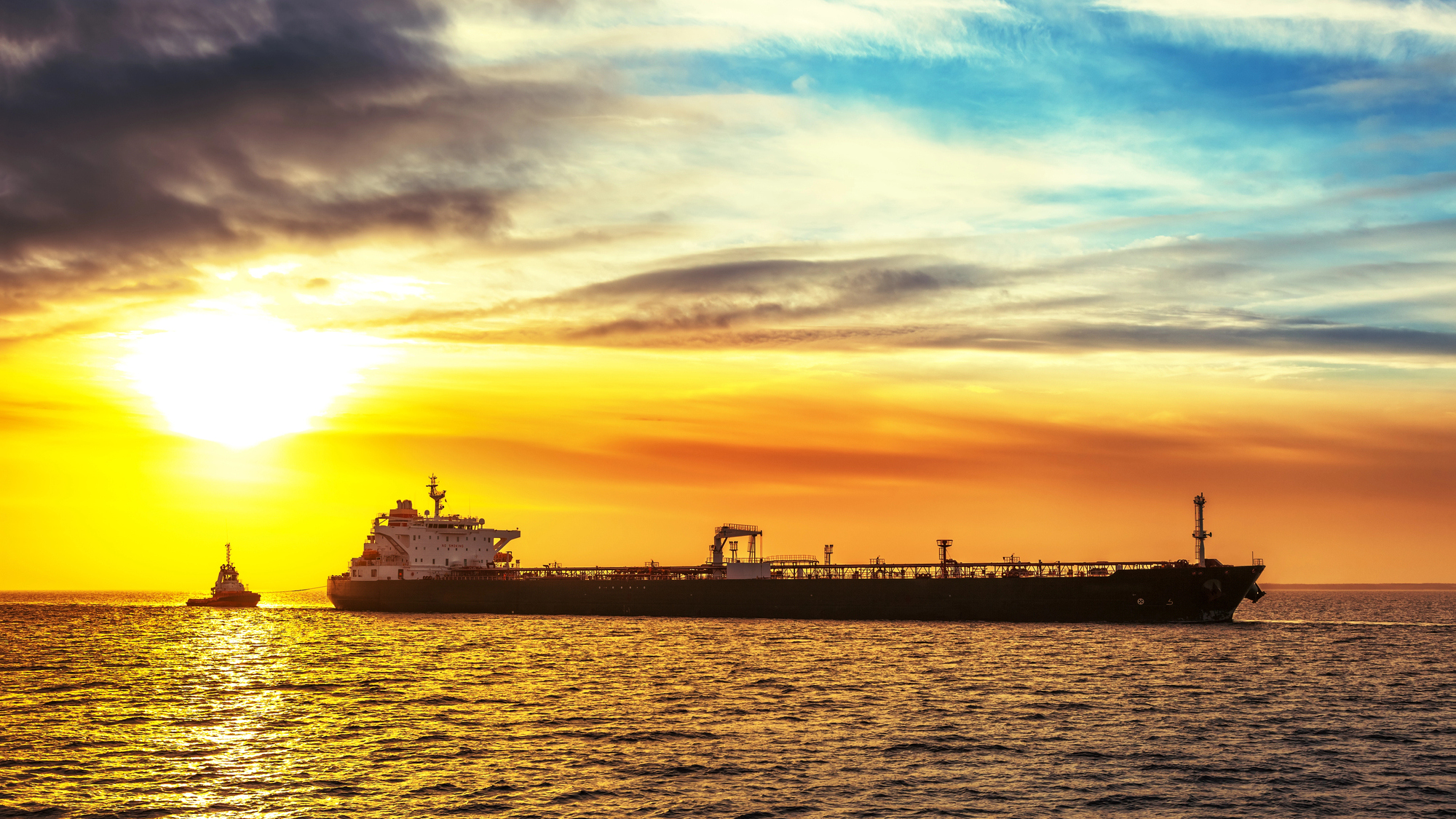
According to Reuters, an Indian government source said that Iran agreed to allow tankers flying the Indian flag to transit the Strait of Hormuz after a phone call between foreign ministers on March 10. At the same time, another Iranian source outside the country reportedly denied the existence of such an agreement — so the details remain murky.
"Iran will allow tankers under the Indian flag to transit the Strait of Hormuz,"
— Reuters, citing an Indian government source
"Claims of an agreement are disputed by some Iranian interlocutors abroad."
— Reuters
Why it matters
The Strait of Hormuz is one of the key shipping routes for oil: the International Energy Agency (IEA) estimates that in 2025 about 20 million barrels per day passed through it, roughly 25% of seaborne oil trade. Reuters also reports that about 40% of India's crude oil imports transit the strait. Any change in security there immediately affects global prices and vessel insurance.
"In 2025 the Strait of Hormuz carried on average 20 million barrels a day of oil and oil products."
— International Energy Agency (IEA)
Details and contradictions
Reuters adds that there are 28 vessels under the Indian flag in the area with 778 Indian seafarers on board. The agency also reported two tankers under foreign flags that recently transited the strait and are believed to have been bound for India.
Meanwhile, the Financial Times has recorded other protection practices — vessels sometimes declare themselves "Chinese" to avoid attacks or unwanted attention. Washington's announcement, reported by Bloomberg, about insurance guarantees and a naval escort has so far not been widely circulated among shipowners, which adds uncertainty to any real restoration of regular traffic.
What it means for Ukraine
Even a partial stabilization of traffic through the Strait of Hormuz could temporarily reduce pressure on global oil prices and related logistics costs. For Ukraine this appears in two ways: directly — via the impact on the cost of imported fuel — and indirectly — through overall energy market volatility, which affects inflation and budget calculations.
However, the effect is unlikely to be immediate or complete. Key questions remain: will there be written security guarantees for shipping, what specific insurance guarantees the industry will receive, and whether shipowners will change practices around flagging and ownership. Without answers, the risks and freight insurance premiums will persist.
Conclusion
If the agreement is confirmed and practical mechanisms are put in place, it could slightly ease tension in energy markets. But for now we have conflicting statements and a number of technical obstacles: insurance, escorts, vessel registrations. For Ukraine, it is important to monitor not only political declarations but actual fuel flows, insurance contracts, and how this will affect domestic prices.
"These statements are important in themselves, but the key question is whether they will turn into a mechanism capable of stabilizing supplies."
— energy market analysts, review of Reuters and IEA data



