Russia extends ban on gasoline exports until February 2026 — what it means for the market and Ukraine
The ban applies to all exporters and is accompanied by restrictions on diesel and bunker (marine) fuel. We examine why the Kremlin made this decision now and what consequences it will have for prices, logistics, and energy stability in the region.

By Oleg Bazylewicz
December 27, 2025 · 2 min read
What happened
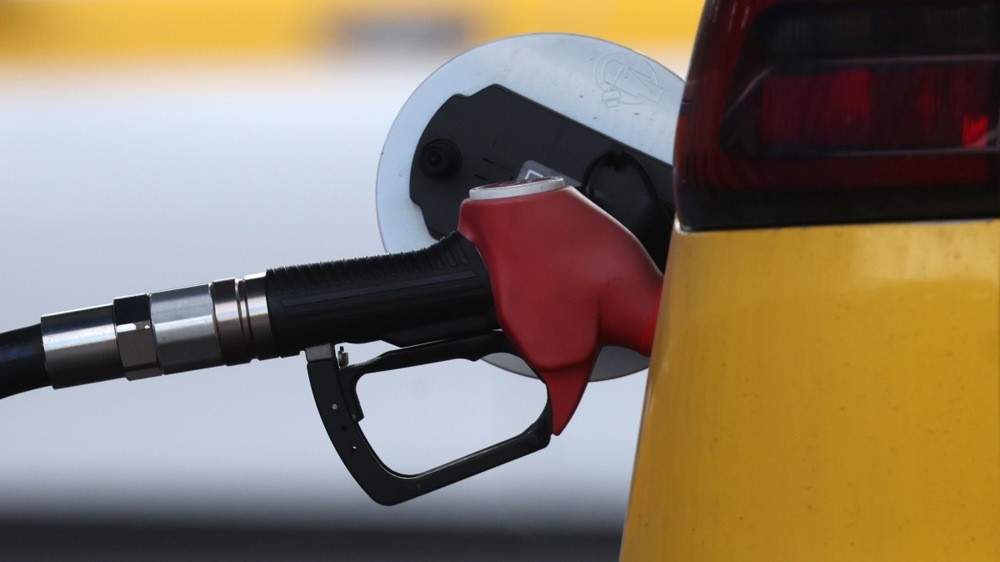
The government of the Russian Federation extended the ban on the export of automotive gasoline until the end of February 2026, Interfax reports. Officially, the restrictions will apply to all exporters, including producers.
In addition to gasoline, the government extended the ban on the export of diesel fuel, marine fuel and other gas oils, including those purchased on exchange trading; at the same time, the documents mention an exception for direct producers of petroleum products.
Why it happened
Bloomberg recalls that the restrictions were introduced back at the end of August after a wave of drone strikes on refineries and ports, which exacerbated the crisis in the domestic fuel market and caused price increases and temporary shortages in some regions. The extension of the restrictions is a reaction to a combination of logistical problems and seasonal demand.
"a period of increased demand in August–September, which Russia apparently managed to get through stably"
— Alexander Novak, Deputy Prime Minister of the Russian Federation (quote via Interfax)
Reader angle: why this matters
The main practical effect for Ukraine is not the direct blocking of supplies, but changes in logistics and the potential impact on regional prices. Russia may redirect flows through third countries or seek alternative sales channels, which complicates monitoring and creates risks for the fuel market in neighboring states.
It is also worth remembering the macro effect: a reduction in fuel exports decreases foreign-currency inflows for Russia and heightens domestic economic pressure, a point noted by foreign analysts.
Expert assessment
Bloomberg analysts and other market observers note a two-tier logic to the decision: short-term stabilization of the domestic market in Russia and medium/long-term strengthening of vulnerabilities in the export-oriented sector.
"The Kremlin's decision is an attempt to plug domestic holes, but it also increases long-term economic risks for the export-oriented oil sector"
— Bloomberg, analysis
Conclusion
This is more than an administrative measure: the extension of the fuel export ban reflects increased pressure on Russian infrastructure and will have both direct and indirect consequences for the region's energy stability. It is worth monitoring three indicators as the situation develops: 1) prices for gasoline and diesel in neighboring markets, 2) changes in transshipment and transit routes, 3) official reports from producers and customs statistics.



