Russia destroys central post office in Kramatorsk: Ukrposhta vows to resume operations by end of day — what it means
The destruction of the central branch in Kramatorsk is not just a lost building. We explain why the swift restoration of services matters for residents, logistics, and social payments in the Donetsk region.

By Tetiana Suchkova-Ladik
March 7, 2026 · 1 min read
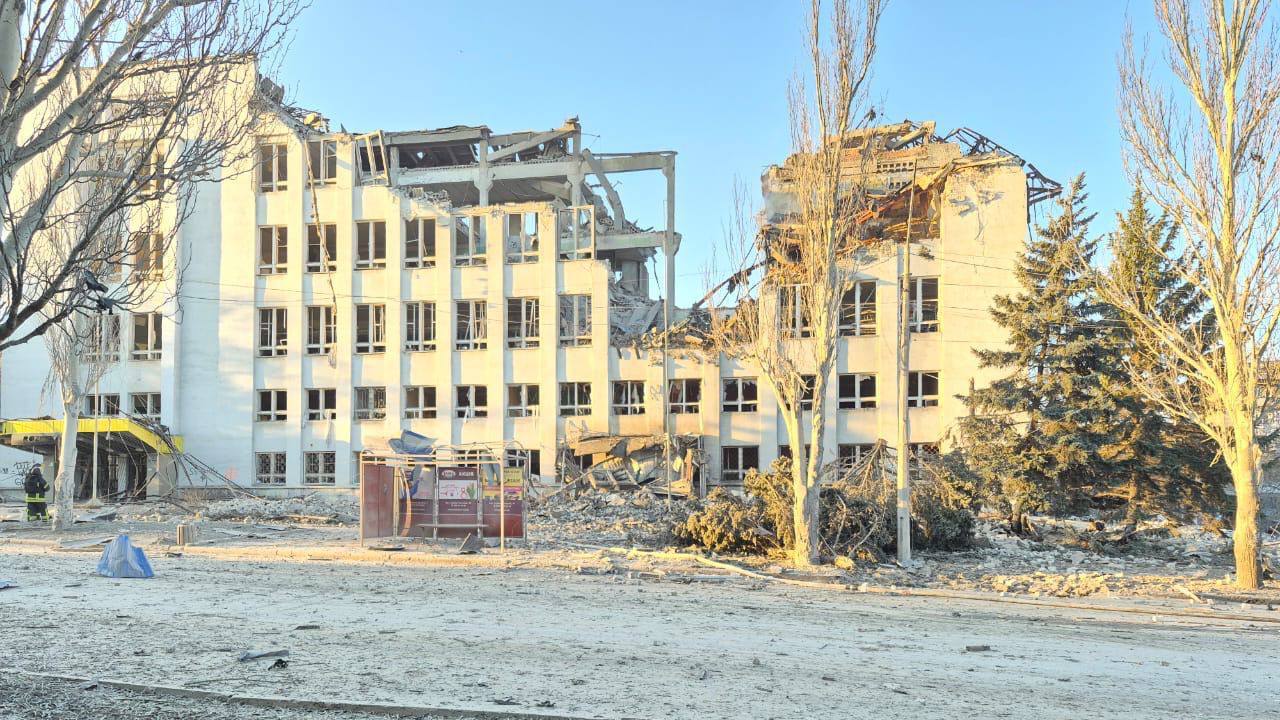
Destruction and rapid response
Russian forces destroyed the building of Ukrposhta’s main post office in Kramatorsk, Donetsk region. The company’s CEO, Ihor Smilyansky, reported that staff had moved operational activities in advance to a neighboring building, so the direct threat to employees’ lives was minimized.
"We understood that this could happen, so we moved in advance to another building nearby"
— Ihor Smilyansky, CEO of Ukrposhta
According to Smilyansky, the temporary premises were also damaged, but they plan to restore it during the day in order to resume servicing the city’s residents. This will allow the restoration of mail delivery, payment of pensions and social transfers, and the operations of businesses that depend on postal services.
Context: systemic vulnerability of infrastructure
This is not an isolated case. On February 18 Ukrposhta suspended operations at branches in Orikhiv and the village of Preobrazhenka in Zaporizhzhia region due to deteriorating security. In November 2025 a Russian strike also destroyed a branch in Lviv — about 900 parcels were lost. Analysts and logistics experts note that attacks on postal infrastructure create chain disruptions that hurt ordinary citizens more than military targets.
Why this matters to the reader
Post in wartime is not just a convenience. It is a channel for payments, communication, delivery of medicines and humanitarian aid. When central branches become targets, the need for decentralization, backup sites and international technical assistance grows. In this case, Ukrposhta’s advance relocation is an example of systemic response that reduced human risk and shortened service downtime.
What’s next
The short-term scenario is restoration of services in Kramatorsk during the day. Medium-term — strengthening measures to secure backup infrastructure and possible involvement of partners for repairs and equipment. A question for authorities and international donors: will there be sufficient attention and resources to protect the critical links of logistics that sustain economic and social life during the war?



