Russia again shelled the CHP in Kherson — tens of thousands left without centralized heating
Targeted strikes on the thermal power plant have pushed the city to the brink of a humanitarian crisis: who will suffer most and what decisions are urgently needed.

By Tetiana Suchkova-Ladik
January 26, 2026 · 2 min read
What happened
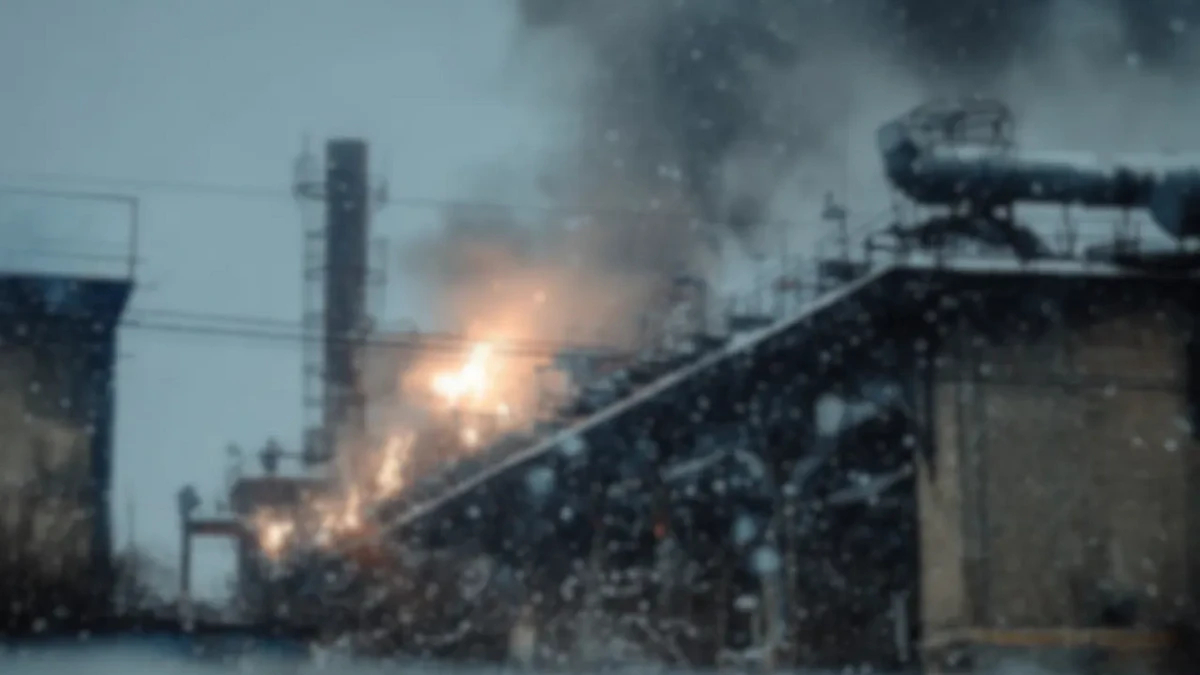
On 25 January, Russian forces deliberately shelled the Kherson combined heat and power plant (CHP) with artillery and drones. The information was confirmed by Serhii Koretskyi, chairman of the board of Naftogaz of Ukraine, which owns the CHP. According to him, "the situation with heating in Kherson is one of the most critical."
"The situation with heating in Kherson is one of the most critical"
— Serhii Koretskyi, chairman of the board of Naftogaz of Ukraine
Consequences for residents
The CHP was the main source of heat supply for tens of thousands of Kherson residents. At the beginning of December the plant had already been shut down due to shelling — 470 buildings, or more than 40,500 customers, were left without centralized heating at that time. After the new strike, residents are forced to use alternative sources of heat — electric or gas heaters — which increases the risk of fires and places additional strain on the power system.
Vulnerability of the population. Before the war the city had about 280,000 inhabitants; as of mid-2025 — no more than 65,000, and roughly two thirds of them are pensioners. This shifts response priorities: needs for medical care, heat and logistics become critical.
Shelling tactics and scale of the threat
According to the head of the Kherson Regional Military Administration, Oleksandr Prokudin, the intensity of shelling has increased recently. He noted that the enemy is increasingly using complex strikes, including "Molniya" — carrier drones that release FPV drones to extend the range of attack.
"Now the Russians are working more with 'Molniya'... Artillery strikes every day, MLRS strike every day. If you live in Kherson, you hear explosions every two minutes"
— Oleksandr Prokudin, head of the Kherson Regional Military Administration
These attacks on critical infrastructure are not accidental but part of a strategy aimed at increasing pressure on the civilian population and complicating the restoration of services.
What the authorities and community are doing
Local and regional authorities are trying to provide temporary solutions: distributing electric heaters, delivering fuel, organizing warming centers. Energy specialists assess the situation as complicated: restoring the CHP requires safe access routes, repair crews and materials, which are often impossible to deliver under shelling.
Why this matters
This is not only about comfort: prolonged heating outages increase health risks for the elderly, hospitals and other critical services operate worse, and economic costs for emergency repairs and alternative energy sources rise. Analysts note that systematic strikes on infrastructure have long-term effects on recovery and the return of internally displaced persons.
Brief conclusion
This strike shows that restoring infrastructure in active combat conditions requires not only local repairs but coordination with partners: deliveries of equipment, materials and protected logistics chains. The ball is now in international support and the rapid turning of commitments into concrete deliveries and funding — without this, recovery will be repeatedly disrupted.