Romania Built a Bridge for €35.5 Million — Ukraine Still Hasn't Caught Up
# New "Bila Tserkva – Sighetu Marmației" Border Checkpoint to Become Largest Crossing with Romania: 400 Trucks Daily. But It Cannot Open Yet—Ukrainian Side Still Under Construction

By Tetiana Suchkova-Ladik
May 15, 2026 · 2 min read
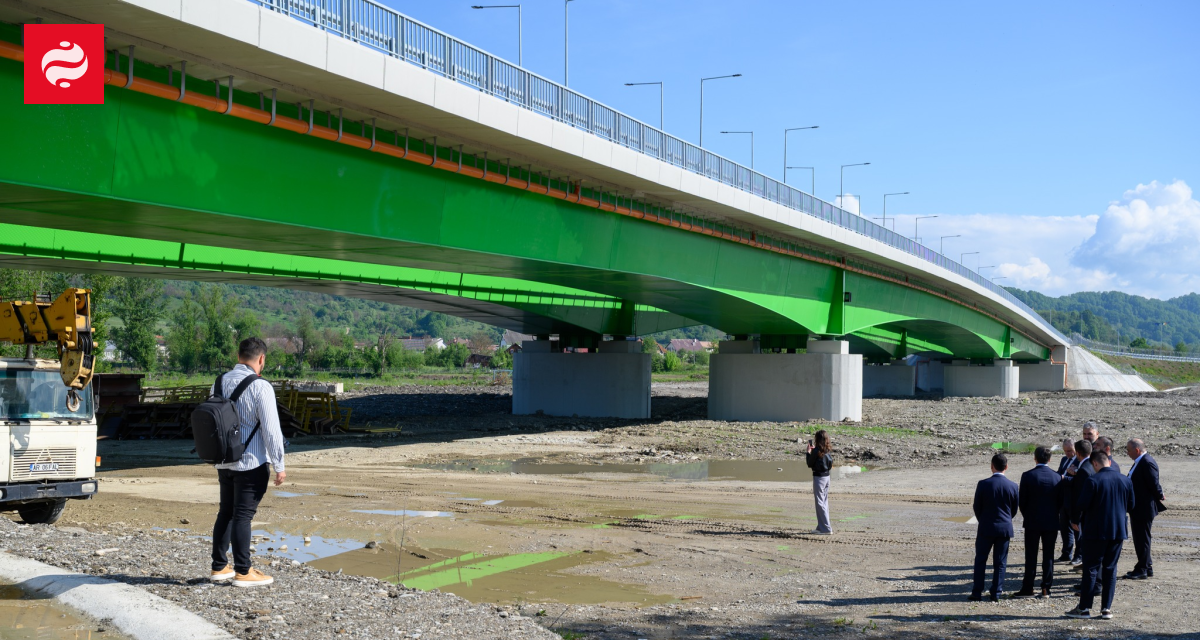
Romania has officially completed the construction of a 260-meter bridge across the Tisza River on the border with Transcarpathia. The new checkpoint "Bila Tserkva – Sighetu Marmației" on the Romanian side is ready. On the Ukrainian side — it is not.
The Largest Crossing with Romania That Doesn't Yet Exist
The scale of the project is atypical for this border section. According to calculations, the new checkpoint will be able to process 400 trucks, 600 passenger cars, and 80 buses per day — making it the largest crossing between Ukraine and Romania after opening. For comparison: the current "Solotvyno – Sighetu Marmației" checkpoint, which the new crossing is meant to relieve, only handles vehicles up to 3.5 tons and operates exclusively during daytime.
The Romanian portion cost approximately 35.5 million euros, built with EU support. The estimated cost of the Ukrainian portion is approximately 1.6 billion hryvnias. Construction of the roadway and service area on the Transcarpathian side is still underway.
Why This Is Critical for Transcarpathia
This border section has the longest border length within Transcarpathia Oblast and the fewest operational checkpoints. During a working visit to the newly built Romanian checkpoint, Transcarpathian customs officials confirmed: they are ready to ensure operations from the Ukrainian side — but only after the Infrastructure Recovery and Development Service completes construction.
"Together with ambassadors, deputies, and the leadership of Maramureș County, we established a common goal: to complete this facility in the shortest possible timeframe. This will be one of the most modern checkpoints on the western border."
— Head of Transcarpathia Regional Council
Timeline: Optimism vs. Reality
Transcarpathian Regional Governor Myroslav Biletskyy named a target — the end of 2025. The Romanian side had planned opening for early 2026. Now that the bridge is essentially ready, the question comes down to one thing: will the Infrastructure Recovery Service manage to complete the Ukrainian portion within the promised timeframe.
- The old "Solotvyno – Sighetu Marmației" checkpoint will continue operating after the new one opens, but only during daytime hours
- The new bridge opens a route for cargo transport — which has not existed on this section at all until now
- Transcarpathian customs officers have familiarized themselves with Romanian infrastructure and control technology schemes
Romania invested 35.5 million euros and built a bridge. If the Ukrainian side fails to complete its portion by year's end — the region that most needs throughput capacity at the western border will wait again: no longer for a bridge, but for the road leading to it.



