SBU Sanatorium in Vorzel Undergoes Reconstruction — Second Time in a Century After Occupation
State Enterprise "Vorzel Sanatorium" announced a tender for 15.3 million hryvnias for the reconstruction of the main medical building. For the village, this is already the second attempt to rebuild after devastating occupation—the first was after 1943.

By Tetiana Suchkova-Ladik
April 7, 2026 · 2 min read
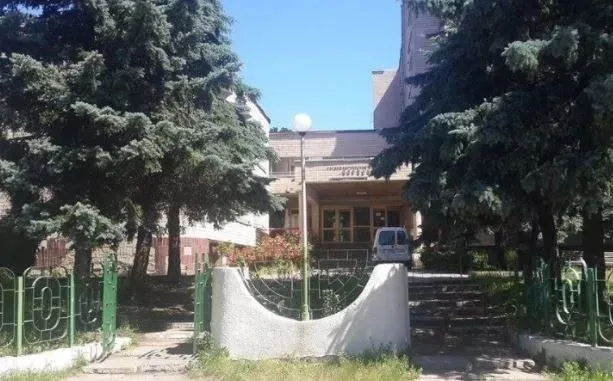
State enterprise "Vorzel Sanatorium" of the Security Service of Ukraine has announced a tender for the reconstruction of the main medical building. The expected cost is over 15.3 million hryvnias from the state budget. The work involves comprehensive infrastructure modernization: in particular, an overground passage will be built between buildings for more convenient movement of patients and staff.
A resort destroyed twice
Vorzel is more than just the address of a departmental sanatorium. Since the early 20th century, the settlement in the Bucha district has been a full-fledged resort, known beyond Ukraine's borders. During 1941–1943, German occupation destroyed numerous health facilities in Vorzel — but the resort was restored relatively quickly. The second time — and equally unexpectedly — the blow came in 2022.
"It is symbolic that the occupiers, who themselves could have come here for rest earlier, dealt Vorzel a no less significant blow for the second time"
— All-Ukrainian Association of Amalgamated Territorial Communities on the context of destructions
Russian forces entered Vorzel at the end of February 2022 from the direction of Bucha. According to the KSE Institute, 541 buildings out of 6,649 existing ones were damaged during the occupation, with 117 of them completely destroyed or severely damaged. The cumulative losses to the settlement exceed 52 million dollars.
What is being built and with whose money
The SBU sanatorium in Vorzel is not the only facility being gradually repaired. Since 2023, the facility has already conducted several smaller tenders: for upgrading heating and water supply systems in basements (3 million hryvnias), for developing design and cost documentation for bathroom repairs, for boiler room equipment maintenance services. The current tender is the largest in this series.
- Overground passage between buildings — a new infrastructure unit that did not previously exist
- Financing — exclusively from the state budget
- Customer — a state enterprise subordinate to the SBU, registered in 2015
Prozorro records the tender as active: submission of proposals is open. The winner will be determined through a standard open bidding procedure with special features — that is, without simplified wartime exceptions.
The question is not about money
15 million hryvnias for a departmental sanatorium of a special service — a sum that in peacetime would not require explanation. Now the question is different: how many SBU employees actually undergo rehabilitation in Vorzel, and whether the facility's occupancy corresponds to the scale of the investment. If the sanatorium after reconstruction operates at full capacity and accepts not only departmental patients but also veterans from other security forces — the expenditure would look justified. If not — this is already a question for the supervisory function of the Accounting Chamber.



