Sánchez Stands Firm on Principles: Trump's Threat Tests European Solidarity
In high diplomacy, it's not loud statements but the consistency of decisions that matters: why Spain refused the US access to bases and what it means for the EU and Ukraine.

By Tetiana Suchkova-Ladik
March 11, 2026 · 2 min read
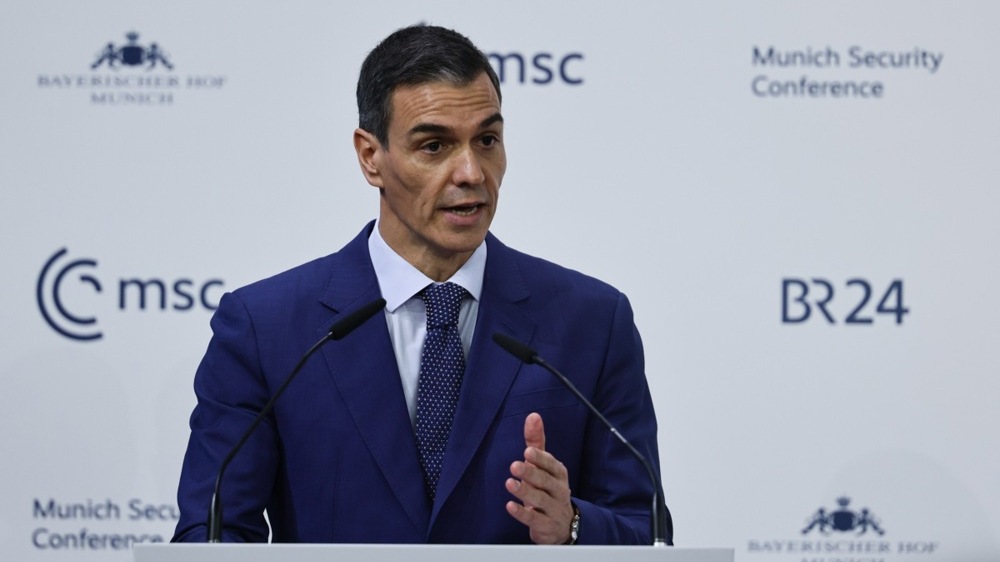
Quiet diplomacy in the face of public threats
Spanish Prime Minister Pedro Sánchez, in an interview with Eldiario, confirmed that he is not intimidated by reported threats from U.S. President Donald Trump to restrict trade after Spain refused to provide bases for possible strikes on Iran. According to Sánchez, the decision stems from Madrid's long-term position — to defend international law and act within the framework of European coordination.
"Spain's position has been consistent throughout all the wars we've experienced over the past five years: Putin's war in Ukraine, the war in Gaza... Defending international law is a consistent position of the Spanish government… Being an ally of the U.S. does not mean agreeing to everything."
— Pedro Sánchez, Prime Minister of Spain
What happened and how experts are commenting
On March 3, Donald Trump announced his intention to halt trade with Spain and, according to reports, asked Scott Bessent to "stop all business" with the country. Analysts, including Michael McFaul, a professor at Stanford's Center on Democracy, have pointed out in their columns that such public threats create political uncertainty and can harm the long-term interests of the United States itself.
"I ordered to stop all business with this country"
— Donald Trump, President of the United States (statement from March 3)
On March 2 it emerged that some U.S. aircraft left Spain after the Madrid government's decision not to provide bases for operations against Iran. This is a technical move, but it has a diplomatic effect — testing the strength of alliances and partners' willingness to defend shared rules.
Implications for the EU, NATO and Ukraine
Spain's decision is not just a bilateral dispute. It raises questions about how the European Union and NATO respond to pressure from a major partner when issues of international law are at stake. For Ukraine, this is an important signal: allies' support during crises is measured not only by supplies but also by their readiness to defend the principles that underpin international cooperation.
Partners will have to make a choice: will public threats turn into real economic measures, and if so — what mechanisms will the EU use to prevent the fragmentation of unity. For Kyiv, this is a reminder that partners' unity is a strategic resource that requires constant replenishment.
Summary: Spain's stance is a test of alliance resilience and of whether democratic partners can withstand pressure without abandoning principles. The ball is now in the European institutions' court: are they prepared to support Madrid politically and economically to preserve trust within the union?



